Security systems can stay in a building for a very long time, but longevity does not automatically mean they are still the right fit for the company using them. Infrastructure that was state-of-the-art a decade ago often fails to align with the realities of a modern enterprise. Businesses are naturally dynamic: offices expand, warehouses add new loading bays, employee shift schedules fluidly rotate, and high-value areas become newly restricted. A company that installed a standard burglar alarm years ago may eventually realize that their legacy system was built for a legacy version of the building—one that simply no longer exists.
Recognizing this operational disconnect is precisely when talking with an experienced St. Louis intrusion detection company makes strategic sense. Upgrading an obsolete system is not just about adopting newer hardware; it is about auditing your current risk profile and ensuring your electronic defenses actively match your present-day business model.
Physical renovations and facilities remodeling can rapidly create dangerous, unintended gaps in an older security plan. When structural modifications occur, legacy sensor placements frequently become useless or completely bypassed. For example:
- Altered Exterior Walls: Moving windows or tearing down walls can inadvertently leave structural vulnerabilities unmonitored.
- New Employee Entrances: Adding a secondary door for staff convenience creates a fresh point of entry that lacks critical door-position switches or card readers.
- Warehouse Expansions: Growing into an adjoining industrial space extends your perimeter footprint, leaving the newly added square footage completely unprotected by existing motion fields.
- Repurposed Interior Spaces: Transforming a former low-risk storage room into a high-security server room or an executive office requires an entirely different tier of internal environmental monitoring.
The physical security infrastructure must be systematically reviewed whenever the physical layout of the property changes. By partnering with a professional St. Louis intrusion detection company, business owners can comprehensively evaluate whether their existing control panels, zones, and devices still match current entry points and interior spaces. A modern, modular system ensures that as your brick-and-mortar footprint grows, your protective shield scales seamlessly alongside it.
Think about changes in operating hours
A business that used to close at 5 p.m. may now have evening employees. Warehouses may add additional shifts. Cleaning crews may arrive at different times. Managers may need after-hours access. Those changes can affect how intrusion detection is armed, disarmed, or divided into areas. Intrusion detection in Saint Louis should support the actual work schedule instead of forcing employees to work around an outdated setup. A security system should not train employees to ignore alerts. If the same sensor repeatedly creates problems, or ordinary authorized activity regularly causes alarms, find out why. The answer may be maintenance. It may be equipment placement. It may be a system configuration that no longer matches the building. An intrusion detection company in St. Louis can evaluate the situation rather than assuming the entire system needs replacement.
Older systems may not integrate with newer security tools
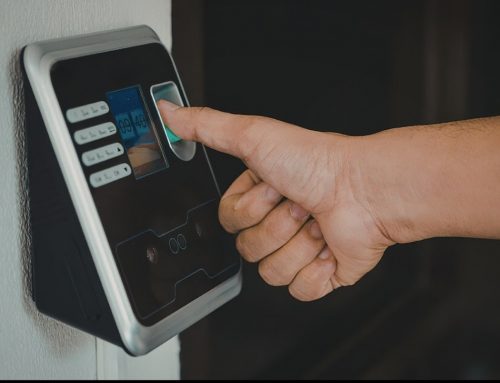
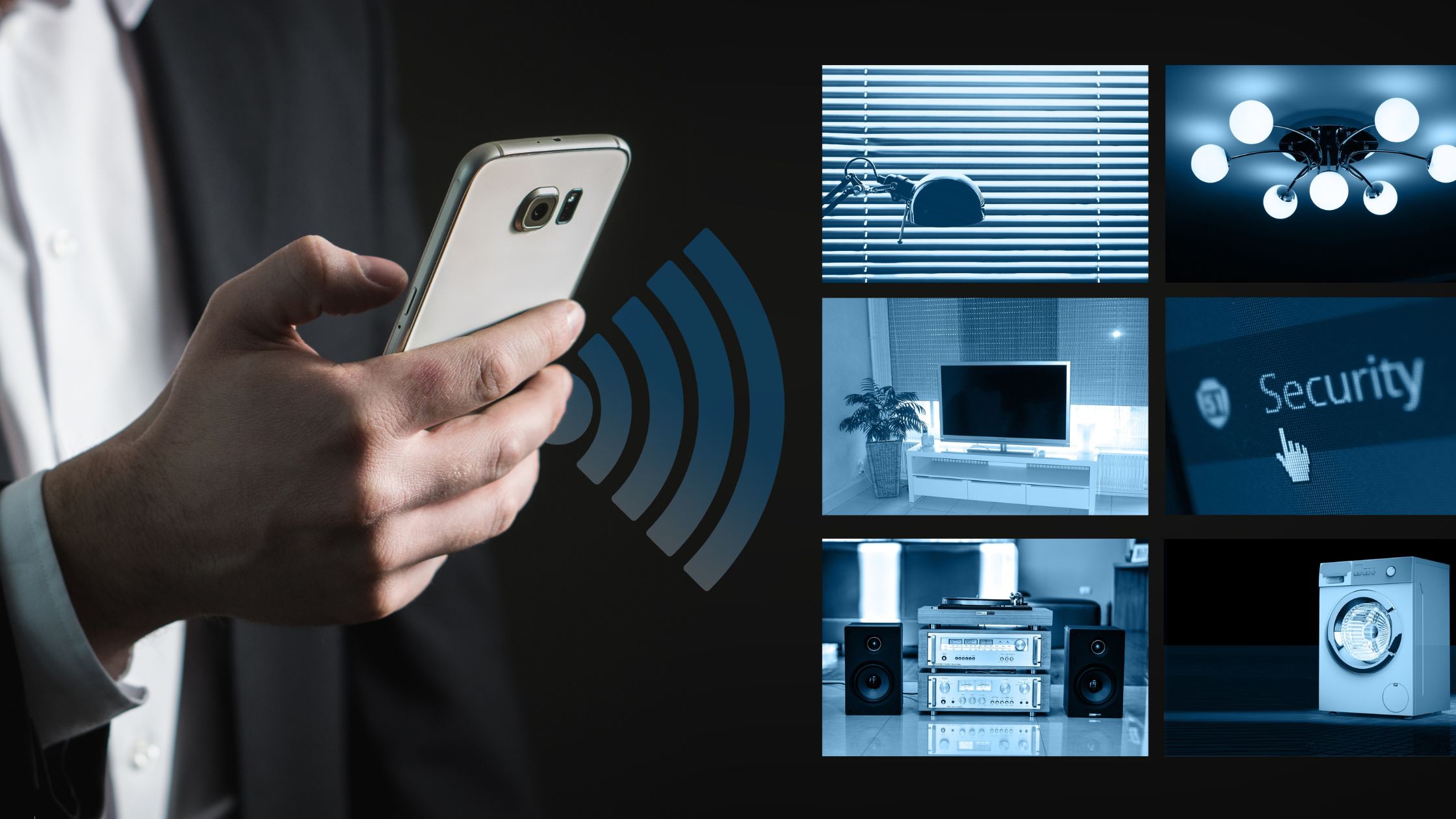
Commercial security has become increasingly connected. A business may want intrusion detection to work alongside cameras or access control rather than operating as a completely isolated system. Video surveillance analytics in St. Louis can provide another layer of information when a property is already using video. The goal is not technology for technology’s sake. Integration is useful when it helps staff understand events more quickly or manage the property more consistently. A company with ten employees can handle access very differently from one with a much larger staff. New departments may need separate permissions. Certain rooms may become restricted. Biometric security in St. Louis is one access control option represented in the workbook, although the right method depends on the organization. The main point is that an intrusion system should be reviewed alongside changes in who uses the building and when.
Look at how employees interact with the system
A security system can be technically functional and still be awkward to use. If employees are constantly confused about procedures, codes, zones, or alerts, the system may need more than a hardware check. Clear procedures matter. A St. Louis intrusion detection company should understand the operational side of the property, not only where equipment is mounted. Companies accumulate equipment, inventory, records, and technology as they grow. A room that was once low priority may eventually contain valuable systems or information. That can justify expanding protection inside the building rather than simply monitoring exterior doors. Business security systems in St. Louis can combine multiple security needs when the property has outgrown a simple setup.
Sometimes the system does not need replacement. It needs attention. Sensors can be checked. Procedures can be reviewed. System performance can be evaluated. A business should not automatically replace equipment because it is old, but age becomes more important when it is combined with recurring issues or operational changes. That is why assessment comes first.
Upgrading should solve a real problem
A new system should not be installed simply because newer technology exists. Ask what the upgrade is supposed to improve. Coverage? Employee access? Monitoring of new areas? Integration? Ease of use? Cam-Dex can work through those questions with commercial facilities. When a St. Louis intrusion detection company reviews an older system, the useful goal is not replacing everything by default. It is finding out whether the current system still protects the property the way today’s business actually needs it to. That is the point where a St. Louis intrusion detection company upgrade becomes a practical business decision rather than a technology purchase.

Just Need Security That Works?
Look, we know security can get overwhelming fast—too many options, too much jargon. That’s not how we do things. At Cam-Dex, we’ve been doing this for decades. We show up, figure out what you actually need, and get it done right. No big sales pitch. No overcomplicating it.
Want to discuss your security needs? Fill out a form here. If you’ve got questions or just want to walk through some options, give us a call at 913-621-6160. We’ll talk like people. Figure it out together. Easy as that.