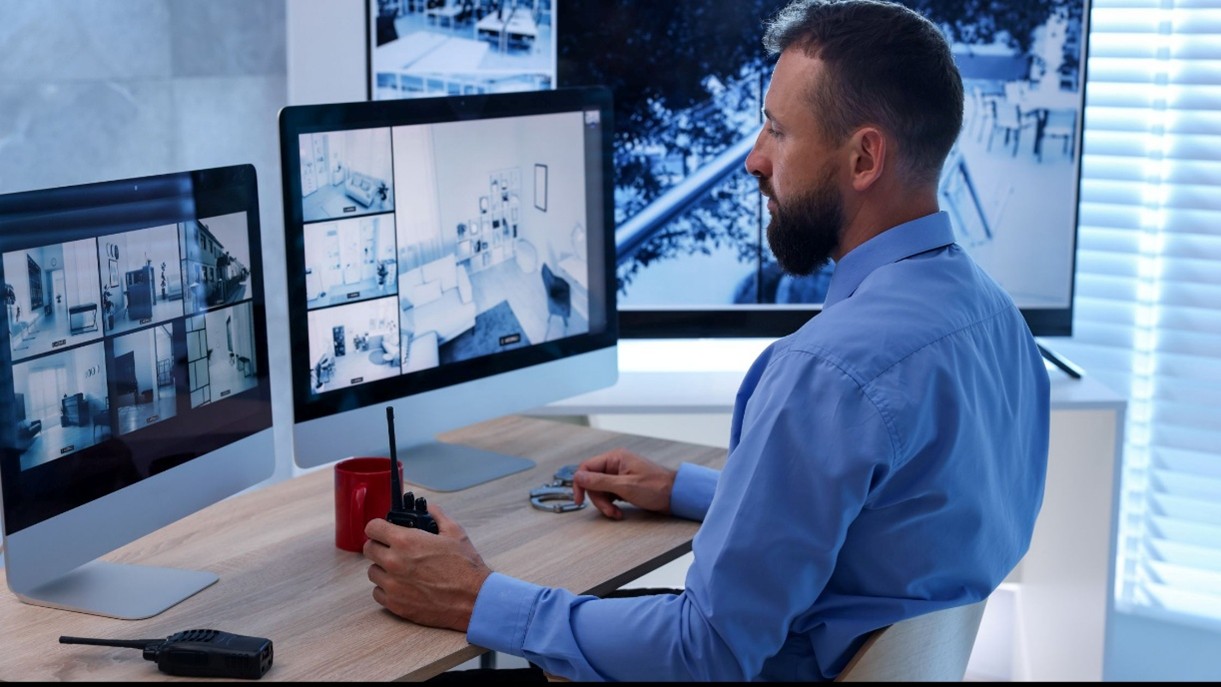
Construction sites are difficult to monitor because they never stay the same. A cleared lot becomes a foundation. The foundation becomes a structure. Materials move from one end of the property to the other. Equipment arrives and leaves. Fences and access points may change as work progresses. That is why Construction site security cameras in St. Louis need to be planned differently from cameras at a completed office or warehouse. The best location today may not be the best location two months from now.
People and vehicles have to enter somewhere. Construction gates, vehicle access points, and delivery entrances are natural areas to evaluate. The camera view should provide enough context to understand activity rather than showing only a tiny section of the gate. A video surveillance trailer in St. Louis may allow those views to change as site entrances move.
Watch high-value storage areas
Construction sites often contain tools, equipment, materials, and temporary storage. Those locations can change depending on the phase of the project. Construction site security cameras in St. Louis should therefore follow where important assets are actually being kept rather than where they were stored during the first week of construction. Not every concern comes through the main gate. Large sites may have sections of perimeter that are hidden from regular activity. Fencing, neighboring properties, terrain, and the shape of the site can all create blind areas. These less-visible locations may include rear fence lines, gaps between structures, temporary laydown yards, or access paths used only during certain phases of construction.
Camera placement should provide a clear view of movement near these areas while accounting for obstructions such as stacked materials, construction trailers, vegetation, and changing elevations. It is also important to review whether lighting, distance, and viewing angles allow useful images after normal working hours. A camera plan should account for those conditions without assuming the entire perimeter needs identical coverage. Instead, coverage can be prioritized around the sections where unauthorized entry, equipment movement, or material loss would be most difficult to notice through routine site activity. Site managers may also want to consider how a person or vehicle could approach the property without passing through a staffed area. Informal footpaths, adjoining lots, drainage routes, and temporary openings in the fence can become practical access points even when they were not designed for entry.
Cameras positioned near these locations should capture enough surrounding context to show where activity began, the direction of travel, and whether someone remained near the perimeter or moved deeper into the site. Overlapping views can be useful in higher-risk areas because one camera may record the approach while another shows activity around stored materials or equipment. Placement should also avoid relying on a single narrow angle that can be blocked by a parked truck, a new material stack, or temporary construction barriers. Weather and seasonal changes deserve attention as well. Rain, snow, dust, glare, and growing vegetation can reduce visibility or interfere with a view that appeared clear when the system was first positioned. Regular reviews can help confirm that images remain usable and that the monitored area still matches the current site layout. As the fence line and work zones change, these perimeter views should be checked and adjusted so new blind spots do not develop.
Equipment parking deserves attention
Heavy equipment may remain onsite overnight. The area where machinery is stored can become an important monitoring zone, particularly during periods when the site is otherwise empty. A surveillance trailer rental in St. Louis can support changing equipment locations if the trailer or view can be repositioned. Early phases may involve concrete and structural materials. Later phases may bring different equipment and finishes. The security plan should change with the value and location of materials on site. That is another reason to review construction site security cameras in St. Louis throughout the project instead of treating installation day as the final answer.
Workers, subcontractors, and visitors may use temporary parking around the site. Parking lot surveillance in St. Louis can be relevant when vehicle areas are part of the security concern. The camera position should still serve a defined purpose rather than simply covering pavement because it is there. Construction sites can be extremely dark after crews leave. Temporary lighting may also change as work progresses. Camera performance should be considered under the conditions that exist when the monitoring is most important. A view that looks great during a bright afternoon should still be evaluated for nighttime use. Permanent infrastructure may not exist yet. The workbook includes solar surveillance trailer in St. Louis within this service category. Whether that setup is appropriate depends on site conditions and system requirements, but power availability should be part of the initial planning discussion.
Analytics can support defined monitoring goals
Construction sites produce a lot of legitimate movement during working hours. Any analytic setup should distinguish between the information the project actually needs and ordinary site activity. Video surveillance analytics in St. Louis may be part of a broader system when defined monitoring objectives are clear. The objective should come first. This sounds simple, but it is easy to forget. A camera can slowly become useless as a new wall blocks the view or materials pile up in front of it. Schedule regular checks. Look at what the camera sees today, not what the original site plan said it would see.
Cam-Dex works with construction surveillance systems, and flexible placement is one of the biggest practical considerations. Construction site security cameras in St. Louis should follow the project through its phases. A camera watching an empty patch of dirt while expensive equipment sits outside its field of view is not providing much value. That works best as part of a security plan that gets reviewed throughout construction, not a plan installed once and forgotten until the building is finished.

Just Need Security That Works?
Look, we know security can get overwhelming fast—too many options, too much jargon. That’s not how we do things. At Cam-Dex, we’ve been doing this for decades. We show up, figure out what you actually need, and get it done right. No big sales pitch. No overcomplicating it.
Want to discuss your security needs? Fill out a form here. If you’ve got questions or just want to walk through some options, give us a call at 913-621-6160. We’ll talk like people. Figure it out together. Easy as that.