
A locked door is important, but commercial security usually needs to go further than that. Businesses have employees arriving at different hours, delivery doors, storage rooms, equipment areas, and spaces that may sit empty overnight. That is why companies researching intrusion detection in St. Louis should begin with the way the building is actually used instead of choosing equipment from a generic checklist. The right system depends on the property. A warehouse has different concerns from an office. A medical facility operates differently from a distribution building. Even two businesses in similar buildings may have completely different traffic patterns. The front entrance is obvious. Side doors and employee entrances can matter just as much. Walk through a normal business day. Which doors open first? Which stay locked?
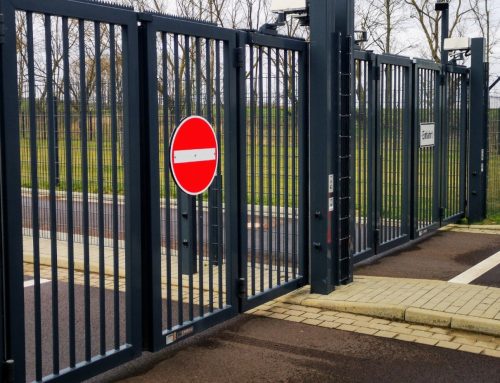
Where do deliveries arrive? Are there entrances that are rarely used but still need to be monitored? A company comparing intrusion detection in St. Louis should map those access points before deciding how the system should be arranged. The goal is not simply putting a sensor on every door. It is understanding where unauthorized entry would realistically occur. Ground-level windows deserve attention, particularly in areas that are hidden from normal street traffic. Loading areas can create their own vulnerabilities. So can service doors, roof access, and utility spaces. A St. Louis intrusion detection company can look at the property as a whole instead of focusing only on the main entrance. That broader view matters because a security system is only as useful as the areas it actually covers.
Consider what happens after hours
When designing a security strategy, businesses must carefully consider what happens after hours rather than assuming a building simply shuts down at dusk. The reality of modern commercial operations is that facility usage is rarely uniform. Some buildings sit entirely empty overnight, creating a straightforward window for total system arming. Others, however, are dynamic environments featuring overnight cleaning crews, late-night maintenance staff, second or third shifts, or early-bird employees arriving well before sunrise.
This variability radically changes how a commercial security system needs to operate on a daily basis. To maintain both safety and operational efficiency, a company may need certain sensitive zones—such as executive suites, data centers, or inventory cages—strictly protected and armed, while other communal areas remain completely accessible to authorized night staff. Furthermore, different fluctuating schedules across departments, weekends, and holidays must be seamlessly factored into the system’s logic.
That operational complexity is one of the primary reasons businesses looking into iintrusion detection in St. Louis should explicitly explain their exact operating hours and workflow patterns during the initial planning phase. A commercial security architecture must bend to the workflow of the business, not the other way around. Ultimately, a system that works flawlessly at 2 a.m. but constantly creates stressful false alarms and operational friction for legitimate employees arriving at 5 a.m. is not well-matched to the business, transforming a critical protective asset into an expensive daily headache.

Intrusion detection can work alongside other security systems
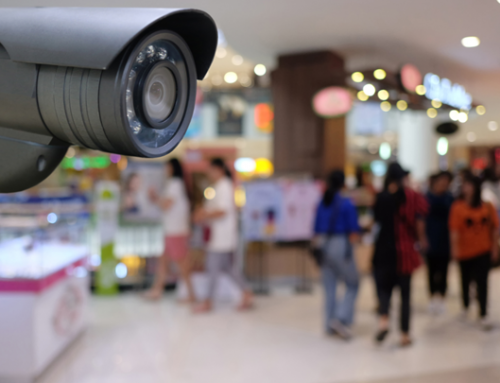
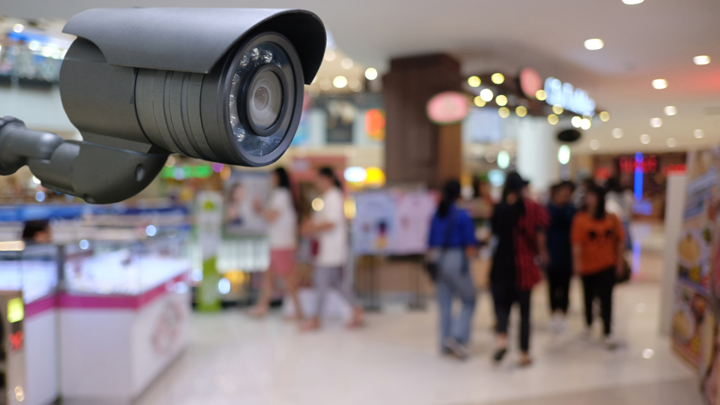
An intrusion system is one part of a larger security plan. Many businesses also use cameras, access control, or other technology to understand what is happening around the property. Video surveillance systems in St. Louis may provide visual information that complements intrusion detection. Those systems should have clear jobs. A camera should not be expected to physically control access. An intrusion sensor should not be expected to provide video evidence. Different tools solve different problems. Security is not only about the exterior. Some businesses have inventory rooms, server areas, records, equipment spaces, or other sections that require more control than ordinary office areas. An intrusion detection company in St. Louis can consider whether interior areas need their own protection rather than treating the exterior shell as the entire security plan. This can be particularly important in buildings shared by multiple departments or tenants.
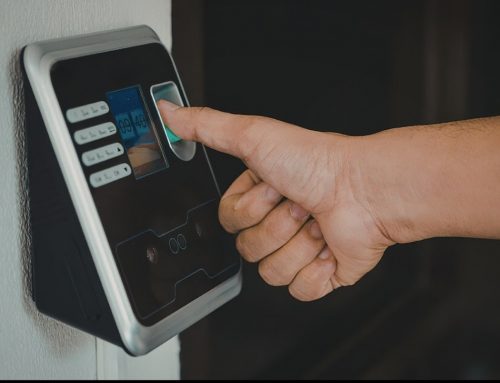
Businesses often need to know not only whether a door opened, but whether the person entering was authorized. contactless access control systems in St. Louis can be part of a broader plan when employee access needs to be managed. The important thing is deciding what problem each system is supposed to solve. If the concern is unauthorized entry after hours, intrusion detection may be the priority. If the concern is controlling which employees can enter certain spaces, access control becomes more important. Many properties need both.
Warehouses have their own concerns
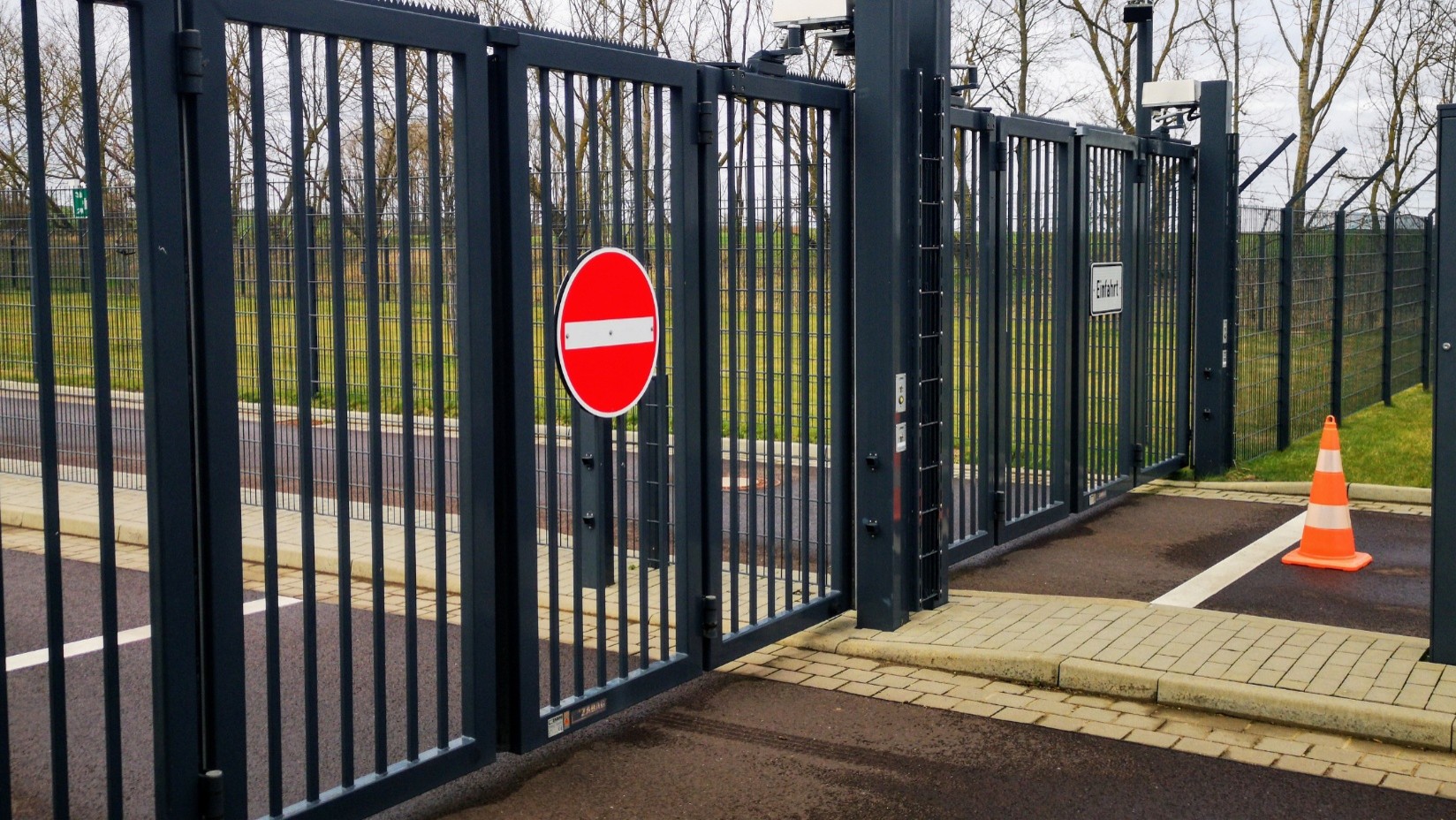
Large facilities can be difficult to watch simply because there is more space. Loading doors, dock areas, storage sections, and isolated entrances can create a different security challenge from a smaller office building. Warehouse security systems in St. Louis may include several technologies depending on the facility and the risks being addressed. That is another reason not to treat commercial security like a residential alarm with a larger floor plan. Detection is only useful if somebody understands what comes next. Who receives the information? What does an employee need to do? How are false alarms or authorized activity handled? Businesses should think through those procedures while researching intrusion detection in St. Louis. Technology is easier to use when employees already understand how it fits into normal operations.
Plan around the business instead of the equipment
It is easy to start shopping for sensors and devices before understanding the problem. Reverse that order. Look at entrances. Look at operating hours. Identify sensitive rooms. Think about employee access and after-hours activity. Cam-Dex works with commercial security systems, but the useful starting point is still the property itself. When intrusion detection in St. Louis is designed around how a building actually functions, the system has a much clearer purpose than a collection of devices installed because they appeared on a standard equipment list.

Just Need Security That Works?
Look, we know security can get overwhelming fast—too many options, too much jargon. That’s not how we do things. At Cam-Dex, we’ve been doing this for decades. We show up, figure out what you actually need, and get it done right. No big sales pitch. No overcomplicating it.
Want to discuss your security needs? Fill out a form here. If you’ve got questions or just want to walk through some options, give us a call at 913-621-6160. We’ll talk like people. Figure it out together. Easy as that.