
Business security can become complicated because there are so many technologies available. Cameras. Access control. Intrusion detection. Alarms. Analytics. Specialized systems for warehouses and other facilities. A growing company may assume it needs all of them immediately. Usually, a better approach is identifying the actual risks first. Business security systems in St. Louis should support the way the business operates instead of filling the building with equipment that nobody has a clear reason to use. Walk the building. How many entrances are there? Which ones are used by employees? Which are used for deliveries? Are there loading docks, storage areas, fenced lots, or detached spaces? A small office and a distribution center have very different security needs. That is why business security systems in St. Louis should begin with a site-specific conversation.
Decide what you are trying to protect
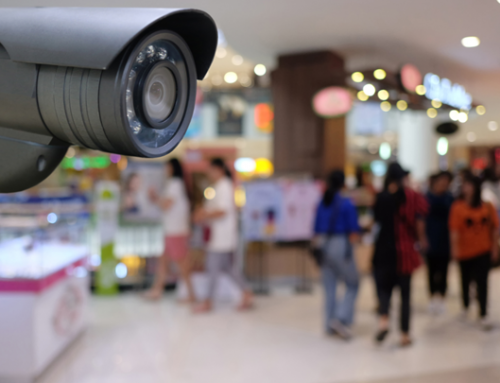
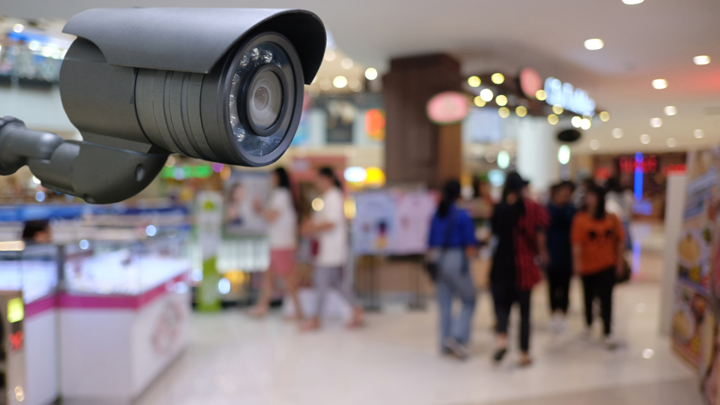
Security priorities may include employees, customers, inventory, equipment, data, restricted areas, or the property itself. Some businesses need to control employee movement through sensitive areas. Others are more concerned about after-hours intrusion. Warehouses may care heavily about dock doors and inventory spaces. Warehouse alarm systems in St. Louis can address a facility type with a different layout from a typical office. Video can help businesses see activity around entrances, parking areas, interior spaces, and other locations. The camera placement should follow a purpose. Do you need to see who entered? Do you need a wider view of a loading area? Are there blind spots? Commercial video surveillance in St. Louis belongs in the plan when visual information solves a defined security problem. More cameras are not automatically better if nobody has considered what each one should see.
Intrusion detection addresses unauthorized entry
A business that closes overnight may need clear, immediate, and actionable information the exact moment protected areas are entered. While video cameras provide continuous recording, they are often passive onlookers until an incident is flagged. This is why services from an intrusion detection company in St. Louis deal with another entirely separate, critical part of the comprehensive security plan.
The intrusion system and video surveillance cameras can complement each other perfectly, but they are not interchangeable assets. Each serves a distinct operational purpose:
- The Intrusion System Detects a Condition: Door contacts, glass-break sensors, and motion detectors act as the nervous system of the facility. They immediately identify physical breaches, trigger local alarms, and send priority alerts to monitoring centers the second an anomaly occurs.
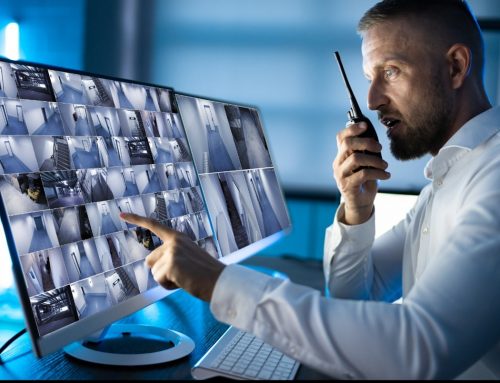
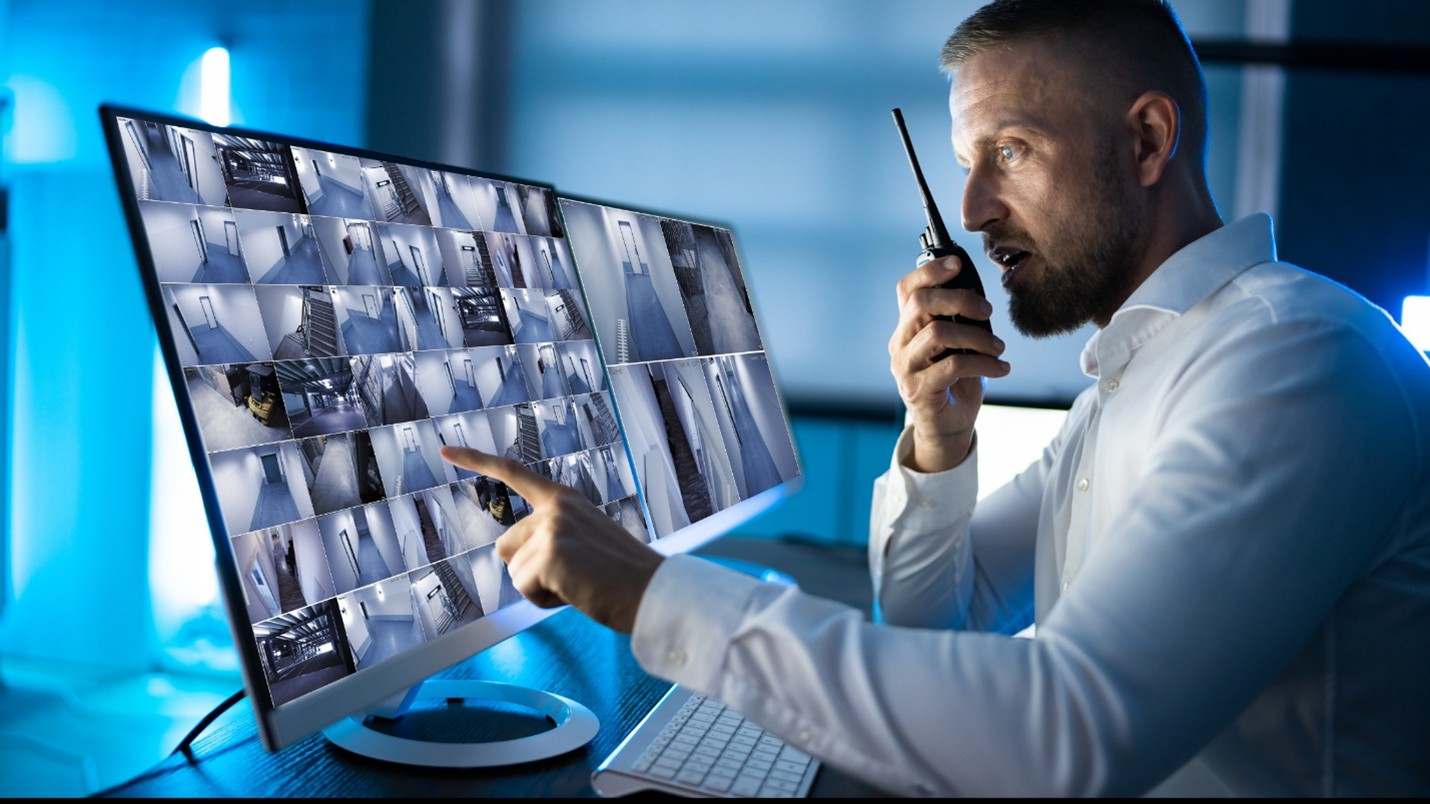
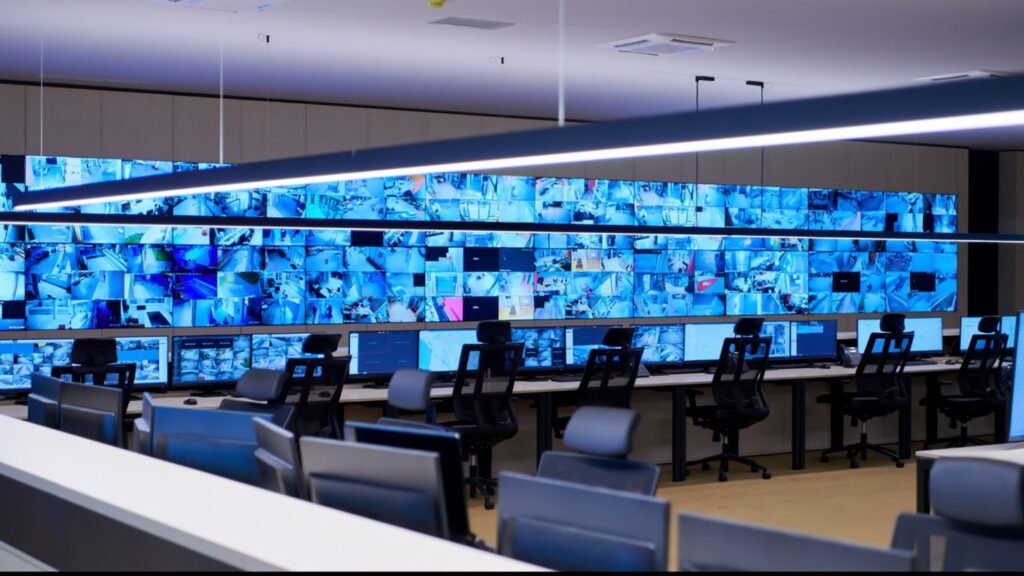
- The Video Camera Provides Visual Context: Once an alert is triggered, cameras allow business owners and monitoring agents to see exactly what caused the alarm. This visual verification makes it easy to differentiate between a real break-in and an accidental trigger, ensuring law enforcement is only dispatched for verified threats.
Relying on one without the other leaves a glaring blind spot. Integrating both systems transforms a business from a reactive state to an intelligent, multi-layered security ecosystem.
Access control helps manage authorized entry
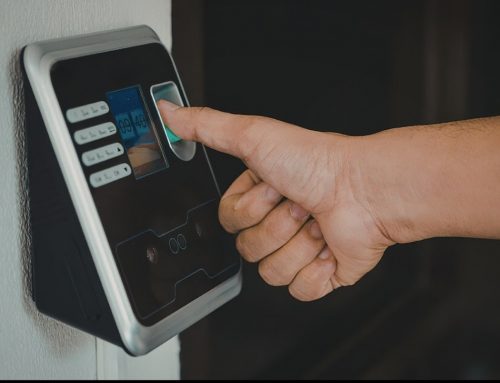
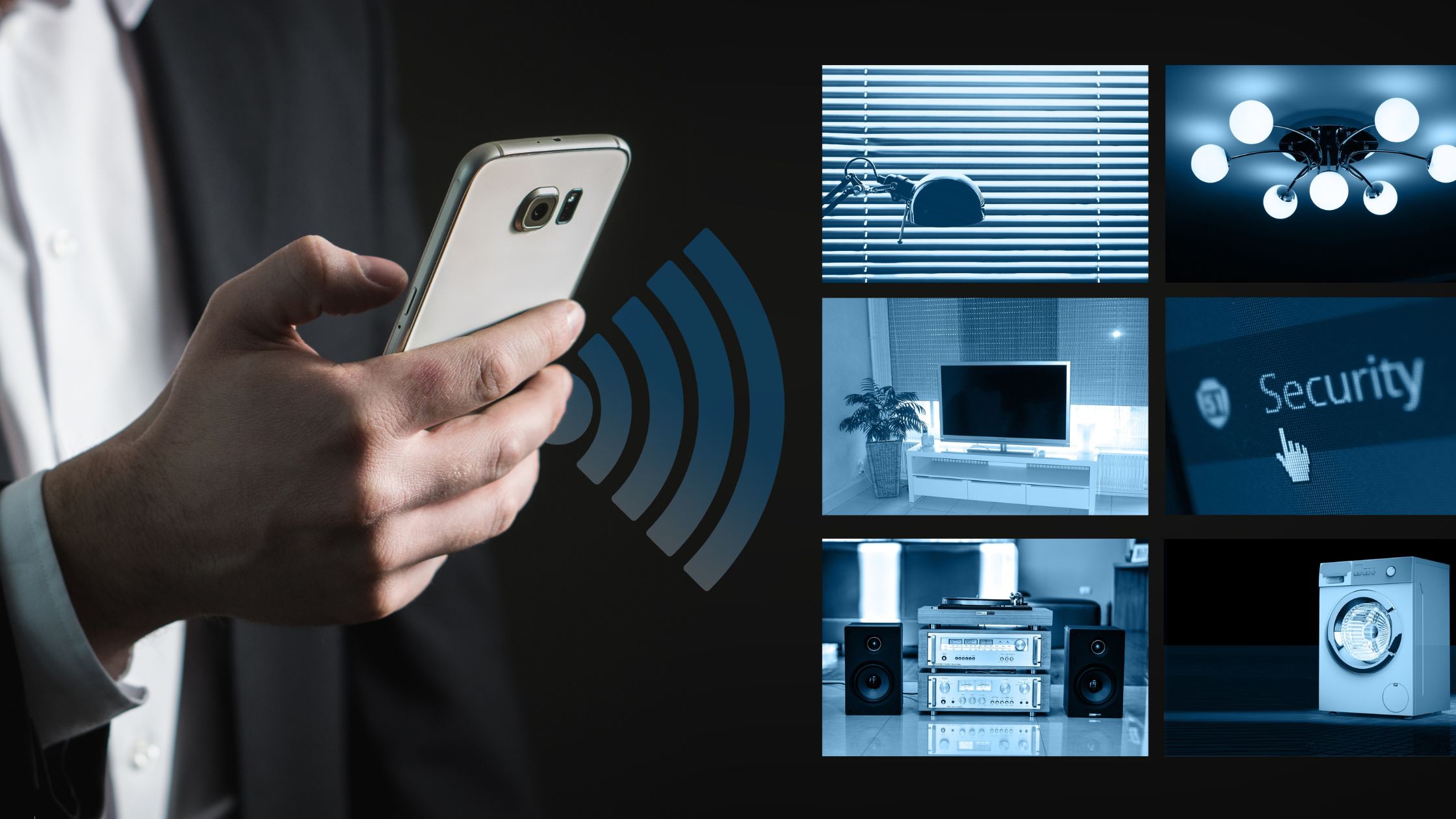
Not every employee needs access to every room. Some organizations also want better control over who can enter the building after hours. Contactless access control systems in St. Louis can be considered when managing authorized access is part of the problem. The important question is where access actually needs to be controlled. Putting advanced access control on a room that has no meaningful restriction may add complexity without adding much value.
A company with one office today may occupy two floors next year. A warehouse may add more loading capacity. A business may expand operating hours or hire a larger staff. Security should be reviewed when those changes happen. Business security systems in St. Louis that worked well for the original facility may not cover newly added areas or new patterns of use. Parking lots, loading areas, fenced storage, and approaches to the building can matter. Those spaces may be outside the traditional walls of the security plan but still important to operations. Parking lot surveillance in St. Louis is one workbook keyword connected to monitoring those exterior environments. Temporary or flexible surveillance can also be useful when the needs of a property are changing.
Create clear responsibilities
Who receives alerts? Who reviews video? Who manages employee credentials? Who updates access when an employee leaves? Technology does not answer those policy questions automatically. A business needs procedures that match its security tools. Security decisions work better when they are specific. “This building needs to be safer” is understandable, but it is too broad to design around. “We need to control access to this equipment room” is specific. “We need to see activity at these loading doors after hours” is specific.
Cam-Dex works across several commercial security categories, and those questions help determine which technologies belong in the plan. The right business security systems in St. Louis are the ones that solve the problems the organization actually has. A growing business should expect that plan to change over time. Reviewing business security systems in St. Louis as the property, staff, and operations grow can keep the security strategy connected to reality instead of a building that existed five years ago.

Just Need Security That Works?
Look, we know security can get overwhelming fast—too many options, too much jargon. That’s not how we do things. At Cam-Dex, we’ve been doing this for decades. We show up, figure out what you actually need, and get it done right. No big sales pitch. No overcomplicating it.
Want to discuss your security needs? Fill out a form here. If you’ve got questions or just want to walk through some options, give us a call at 913-621-6160. We’ll talk like people. Figure it out together. Easy as that.