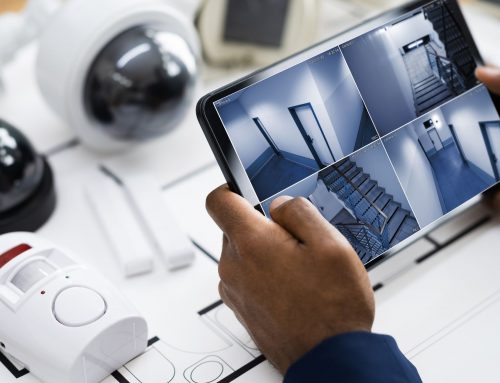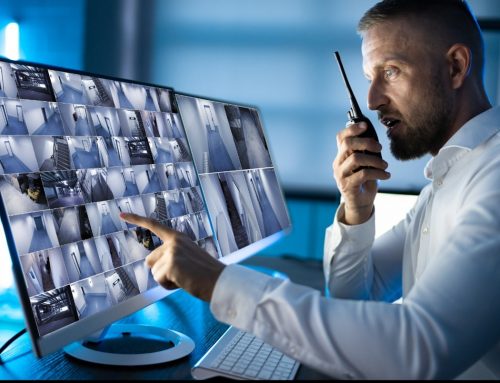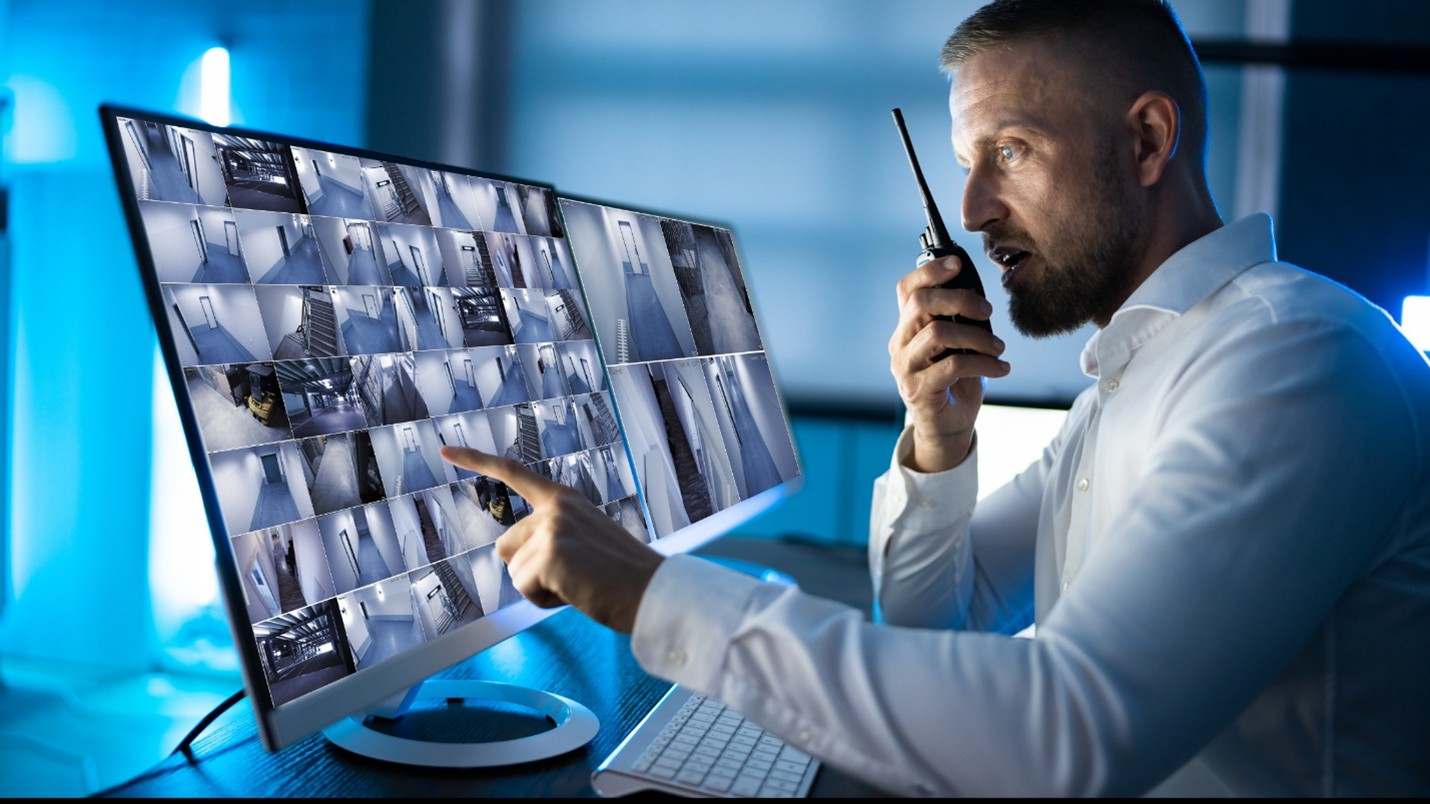

Traditional video gives businesses footage. Analytics can help organize what the system is looking for within that footage. That does not mean software magically understands every event or replaces human judgment. It means certain surveillance systems can use technology to help identify patterns or activity based on how the system is configured. Businesses researching video surveillance analytics in St. Louis should begin with a practical question: what information would actually help the organization?
Buying analytics simply because the word sounds advanced is not much of a security strategy. In modern risk management, technology should never be deployed for its own sake. When organizations invest in high-tech features without a clear plan, they often end up with expensive software that fails to solve their actual vulnerabilities. To get real value from an investment, the operational use case must always come first.
Before looking at technical specifications, decision-makers must ask what they are actually trying to achieve. For instance:
- Identifying Activity in a Defined Area: Maybe the goal is detecting human or vehicle movement inside a sensitive zone after hours while ignoring harmless movement like wind or small animals.
- Securing the Perimeter: Maybe the business wants better situational awareness around its outer fence line to catch intruders before they reach a facility.
- Monitoring Parking Areas: The objective could be tracking vehicle flow, capturing license plates, or preventing vandalism and theft in dark, unmonitored lots.
- Protecting Restricted Locations: The organization may need strict access control monitoring around data rooms, executive suites, or supply areas.
Ultimately, tools like video surveillance analytics in St. Louis are far more useful when an organization can explicitly explain what event or behavior matters to their daily operations. By defining exact triggers—such as loitering, wrong-way traffic, or perimeter breaches—businesses can shift from reactive video recording to a proactive, intelligent security posture.
Camera placement still matters
Software cannot fix a terrible camera view. If the camera is blocked, aimed poorly, or unable to see the relevant area, the analytic information may be limited too. That is why commercial video surveillance in St. Louis planning and analytics planning belong in the same conversation. The physical view supports the software. Large exterior properties can be difficult to watch continuously. Businesses may care more about activity in certain areas than others. For example, a restricted storage yard may deserve different attention from a public sidewalk. Parking lot surveillance in St. Louis can be part of the broader exterior strategy.
The important step is defining which areas are relevant before choosing how analytics should be used. A business may not need the same level of attention across an entire property. Some areas may be open to the public, while others may hold equipment, inventory, vehicles, or restricted access points that deserve closer monitoring. When those zones are identified early, the system can be planned around real operational concerns instead of vague expectations.
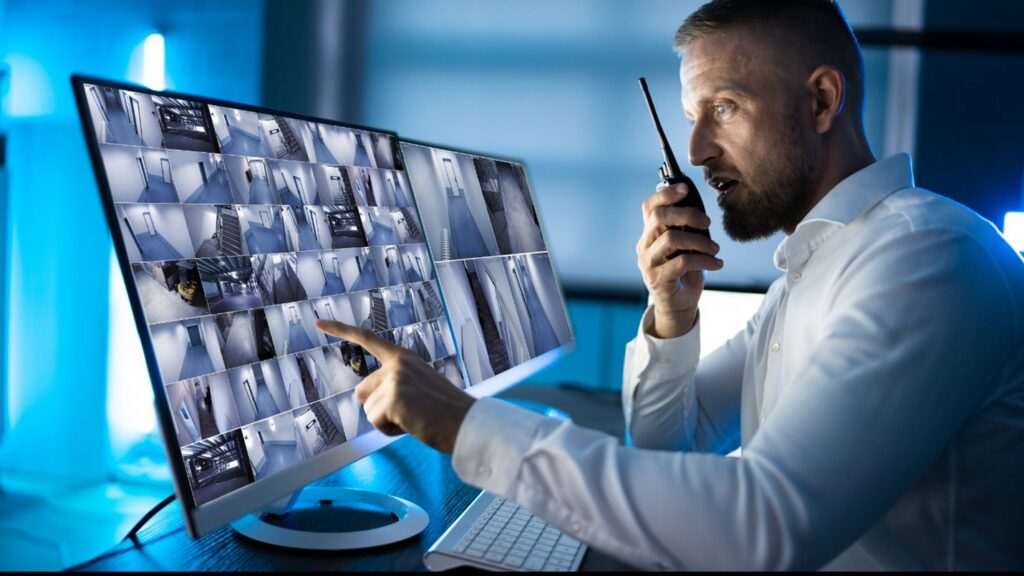
That clarity helps analytics support the areas that matter most because the technology has a specific job to do. Instead of generating alerts for every movement on the property, the system can be configured to focus on activity that is more meaningful to the business. This can make the information easier to review, reduce distractions, and help employees understand why a notification or recorded event deserves attention.
If the system identifies something, what happens next? Who receives the information? Who evaluates it? What qualifies as something that requires action. A company needs those answers. Technology without a response process can create more information without creating better decisions.
Construction environments change
Active construction sites are rarely static. Equipment moves. Access routes change. Fences shift. Construction site security cameras in St. Louis may require adjustments as the site evolves. Any analytic setup should be reviewed when the view itself changes. Nobody wants employees staring at dozens of live camera feeds all day. One potential value of analytics is helping a security team focus attention based on defined conditions. That still requires thoughtful configuration. Too broad a setting can create unnecessary notifications.
Too narrow a setting can miss relevant activity. Video surveillance analytics in St. Louis should therefore be tuned around the environment rather than treated like an automatic switch. Video analytics and intrusion detection can overlap conceptually because both may alert people to activity. They are still different technologies. Intrusion detection in St. Louis may focus on protected doors, openings, or areas through dedicated detection devices. Video adds visual context. A larger security plan may use both without expecting one to completely replace the other.
Access control adds identity and authorization
A camera may show someone entering. Access control addresses whether the person was authorized to enter through a controlled point. Contactless access control systems in St. Louis can therefore complement surveillance when controlled employee access matters. Again, each system should have a specific job. Analytics should not be configured once and forgotten. Businesses change operating hours. Parking patterns shift. Exterior lighting changes.
New equipment appears. Review whether the information being generated remains useful. Cam-Dex can work with video surveillance and analytics, but the business still needs to decide whether the system is supporting its current security goals. The right video surveillance analytics in St. Louis setup should reduce uncertainty, not create another stream of notifications nobody understands. That should begin with a defined question. What do you need the system to notice? Once that is clear, the technology can be planned around the property instead of the property being forced to work around the technology.

Just Need Security That Works?
Look, we know security can get overwhelming fast—too many options, too much jargon. That’s not how we do things. At Cam-Dex, we’ve been doing this for decades. We show up, figure out what you actually need, and get it done right. No big sales pitch. No overcomplicating it.
Want to discuss your security needs? Fill out a form here. If you’ve got questions or just want to walk through some options, give us a call at 913-621-6160. We’ll talk like people. Figure it out together. Easy as that.