
Commercial properties are rarely as simple as one front door and one back door. They may have public entrances, employee doors, offices, warehouses, parking areas, loading docks, mechanical rooms, and spaces occupied at completely different times of day. That is why commercial security systems in St. Louis should be planned around how people move through a property. The equipment comes later. Start by identifying where customers or visitors are allowed to go. Then identify spaces intended only for employees. Finally, mark areas that should be restricted to a smaller group. That simple exercise can reveal where access control or additional monitoring may be useful. Facility Security Systems in St. Louis should reflect those different zones instead of treating every door equally.
Look at entrances by function
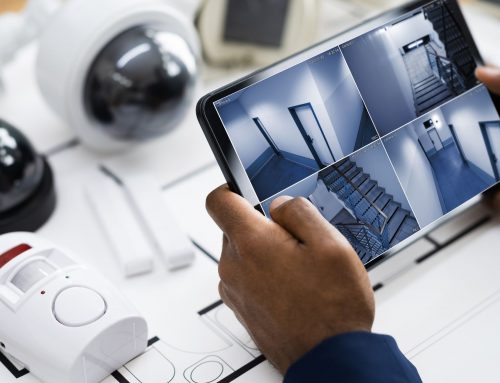
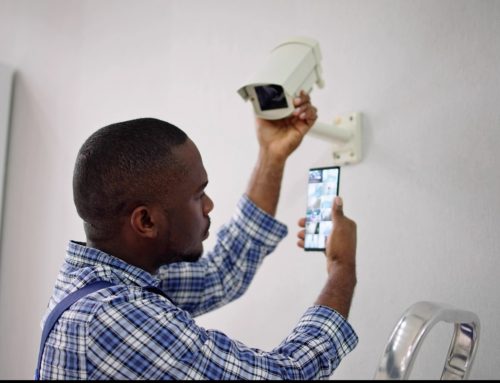
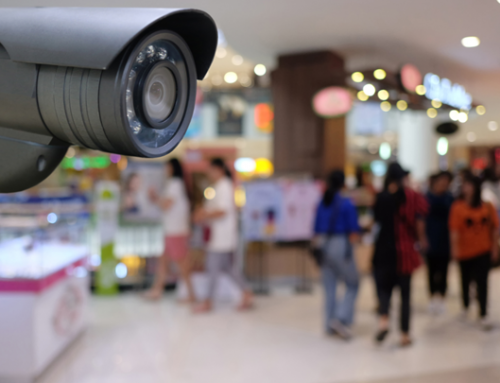
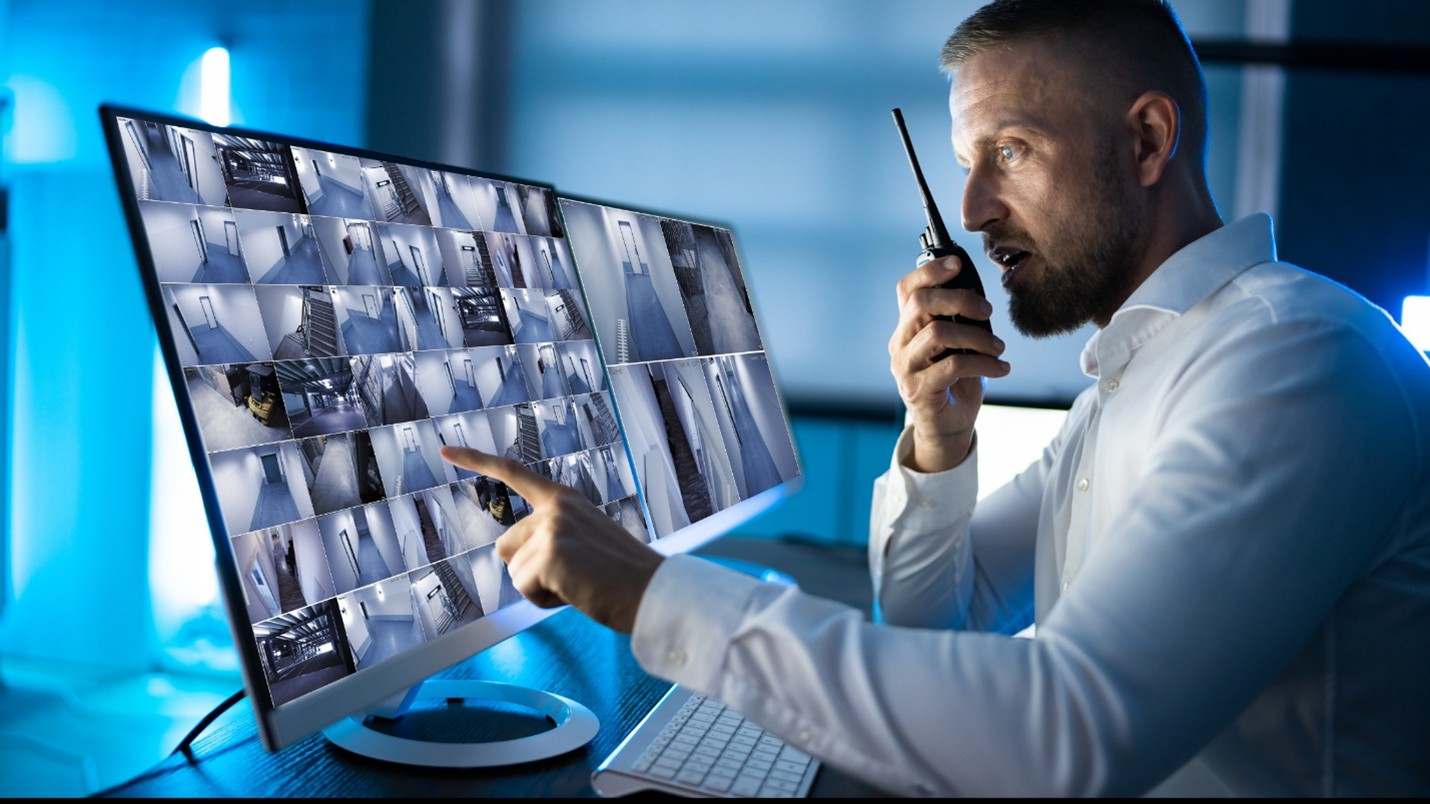
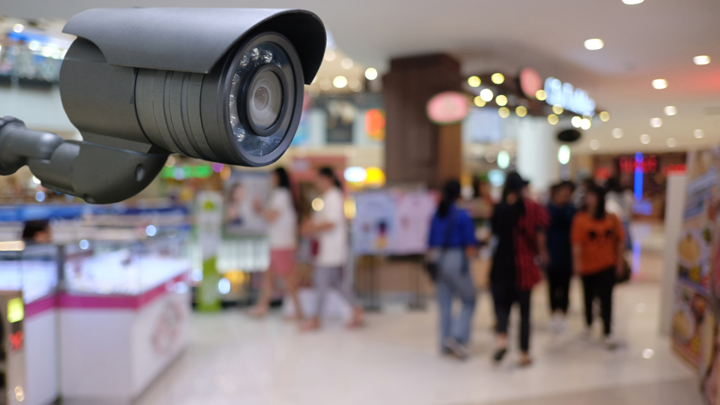
A front door may stay unlocked during business hours. A delivery entrance may open repeatedly. An employee door may be used early in the morning. A loading dock may sit quiet for long periods and then become very active. A useful plan considers all those patterns. Commercial security systems in St. Louis are easier to design when the business can explain which entrances matter at which times. Camera placement should answer specific questions. A wide parking-lot view and a close view of an entrance serve different purposes. Interior cameras may be useful in some spaces and unnecessary in others. Video surveillance systems in St. Louis can support a commercial plan when each view is selected intentionally.
Operational Flexibility and Access Control
Traditional physical keys can become incredibly difficult to manage as organizations grow and operational footprints expand. Relying on brass keys creates massive administrative friction and vulnerabilities. When employees leave the company, there is always the risk of unreturned or duplicated keys. As internal roles change, staff may find themselves needing temporary or new clearance levels. Furthermore, restricted areas change over time as facilities are remodeled or reallocated for different business departments.
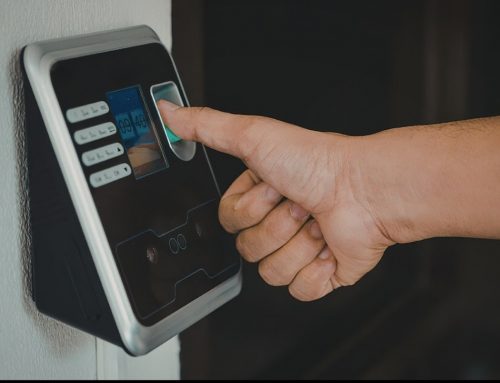
To solve this, organizations must look toward modern, scalable solutions. Deploying biometric security in St. Louis is one powerful option within a much broader electronic access-control category. While the right system depends entirely on the unique layout and scale of the organization, the ultimate goal remains the same: controlling authorization in a way that makes sense for the business. Transitioning to digital credentials—whether through fingerprints, facial recognition, or smart badges—allows administrators to instantly grant, revoke, or audit access permissions from a single dashboard, eliminating the need to ever rekey a door again.
Securing the 24/7 Workplace
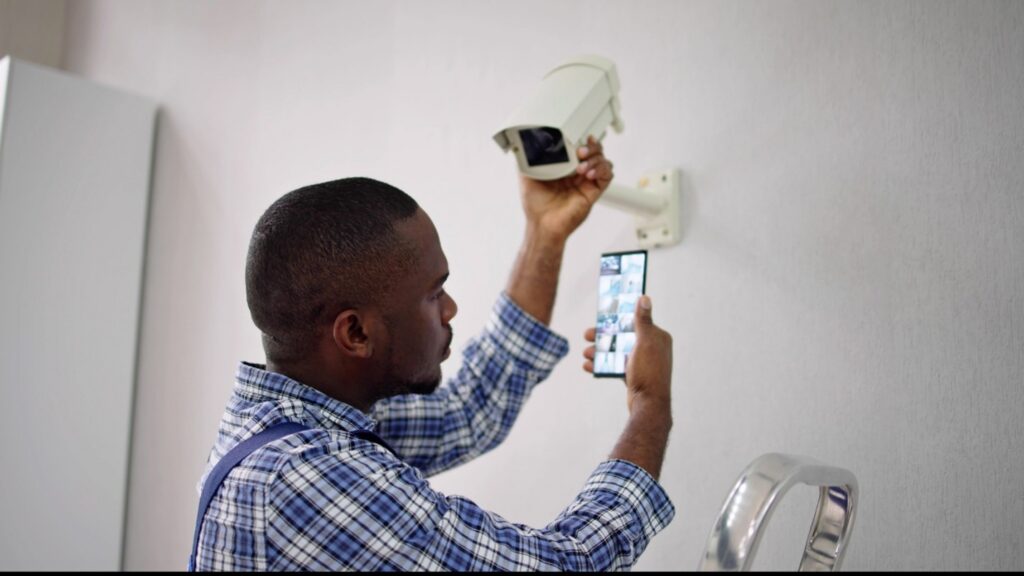
Modern commercial facilities are dynamic environments, meaning a building may never be completely empty. The traditional concept of a standard 9-to-5 workday has largely been replaced by continuous activity. Overnight cleaning crews, late-shift employees, facilities maintenance technicians, and early-morning delivery personnel all require access to the property during non-traditional windows. This constant movement can significantly complicate after-hours security strategy.
Because of this fluid environment, a commercial intrusion system needs to intelligently account for legitimate facility activity. It cannot simply be a rigid system that assumes any after-hours motion is a threat. Security systems must be designed with segmented arming zones, custom user schedules, and smart verification features. Otherwise, management and local law enforcement may spend too much time and money dealing with nuisance false alarms created by ordinary, authorized work. Securing a facility should protect the business without paralyzing its daily operations.
Traditional keys can become difficult to manage as organizations grow. Employees leave. Roles change. Restricted areas change. Biometric security in St. Louis is one option within a broader access-control category, although the right system depends on the organization. The point is controlling authorization in a way that makes sense for the business.
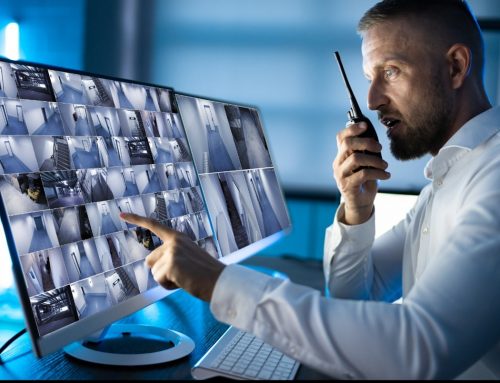
A building may never be completely empty. Cleaning crews, late shifts, maintenance, and delivery activity can complicate after-hours security. An intrusion system needs to account for that legitimate activity. Otherwise, employees may spend too much time dealing with alarms created by ordinary work.
Warehouses need different thinking
Large storage and distribution properties have their own challenges. Long exterior walls, loading docks, high-value inventory areas, and large parking lots create a different environment. Warehouse security systems in St. Louis should be designed around those operating patterns. Simply copying an office security plan into a warehouse does not make much sense. Security does not begin at the front door. Parking, fenced areas, loading zones, and approaches to the building may deserve attention.
Temporary surveillance can be useful when a property is under construction or when needs change. A surveillance trailer rental in St. Louis can address a different kind of monitoring need than permanently installed indoor cameras. Technology works better when people know what to do with it. Who responds to alerts? Who manages access permissions? Who reports a damaged door or blocked camera? Who removes access when an employee leaves? Those policies should not be invented during an incident. A good commercial security plan includes the human side of the system.
Review the plan when the building changes
Security should not be treated as a permanent drawing that never gets revisited. Renovations, expansions, tenant changes, new parking areas, and different work schedules can all affect the original design. Cam-Dex can evaluate those commercial environments, but the business itself provides the most important information about how the site operates. The best commercial security systems in St. Louis are built around actual movement, actual access needs, and actual property risks. That should be reviewed as operations change. A system designed around the way the building works today is much more useful than one designed around assumptions from years ago.

Just Need Security That Works?
Look, we know security can get overwhelming fast—too many options, too much jargon. That’s not how we do things. At Cam-Dex, we’ve been doing this for decades. We show up, figure out what you actually need, and get it done right. No big sales pitch. No overcomplicating it.
Want to discuss your security needs? Fill out a form here. If you’ve got questions or just want to walk through some options, give us a call at 913-621-6160. We’ll talk like people. Figure it out together. Easy as that.