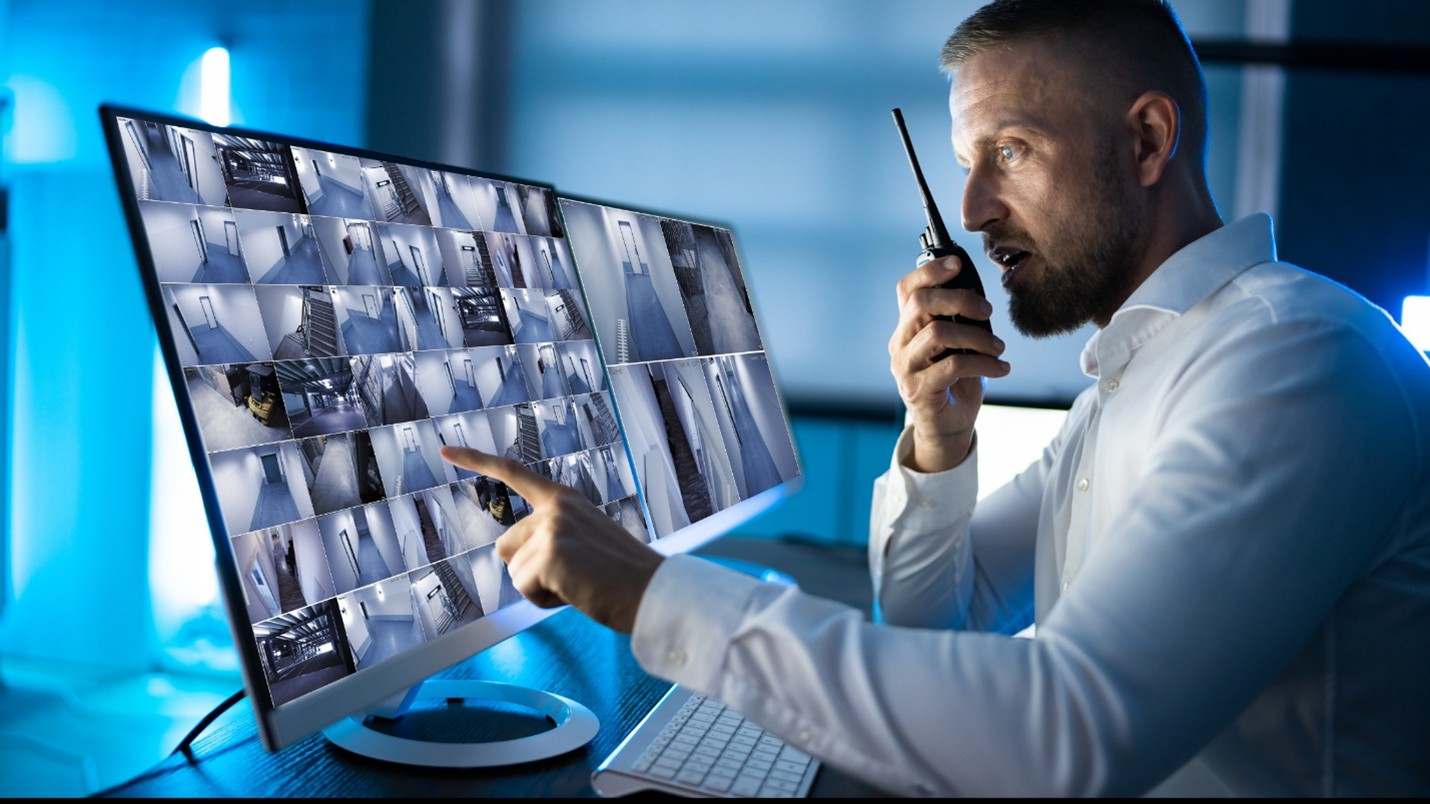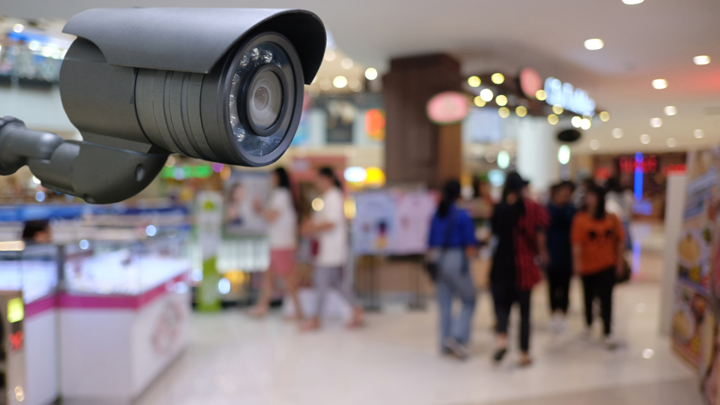

Camera placement can make or break a surveillance system. A building can have plenty of cameras and still miss the areas that matter. A poorly aimed camera might show the top of everyone’s head. Another may spend half its view looking at a blank wall. The best systems begin with a practical question: what does the business need to understand when something happens? That may include who entered, which direction they came from, what vehicle was involved, or whether an employee, visitor, vendor, or delivery driver followed a normal path through the property.
Businesses researching video surveillance systems in St. Louis should start with the events they need to see rather than deciding how many cameras they want. Entrances are usually high-priority areas because they connect outside activity with the interior of the building. Think about the front entrance, employee doors, loading entrances, and other access points. The view should be appropriate for what the business needs to identify. A camera designed to show general activity may be positioned differently from one intended to capture clearer information about people entering.
Loading areas need wider context
A loading dock has vastly different security and operational needs from a standard office doorway. While an office entrance typically experiences predictable, single-file foot traffic, a loading dock is a high-activity logistical hub. Heavy commercial vehicles move constantly in and out, workers frequently unload valuable materials, and large bay doors may remain open for hours at a time during peak activity.
Because of this constant motion and exposure to the outdoors, installing commercial video surveillance in St. Louis requires a strategy that directly accounts for the physical size and unique operating patterns of these high-traffic areas. A standard security setup designed for interior spaces will quickly fail here:
- The Limitations of Narrow Lenses: One narrow camera might work well for capturing a tight view of an office hallway, but it simply cannot provide enough context for a large, sprawling dock. It creates massive blind spots, potentially missing details like vehicle license plates, cargo damage during offloading, or slip-and-fall incidents.
- Overcoming High Contrast and Blind Spots: Loading docks frequently face severe lighting challenges, such as harsh sunlight blinding a camera looking outward from a dark warehouse interior. Systems deployed in these environments require specialized features like Wide Dynamic Range (WDR) to balance light, wide-angle or multi-sensor lenses to capture the entire bay area, and ruggedized enclosures to withstand dust and weather elements.
Ultimately, tailored camera placement ensures that your security system does more than just record video—it actively supports operational safety, provides clear liability protection, and secures your inventory at its most vulnerable point of transit.
Watch the approaches to the building
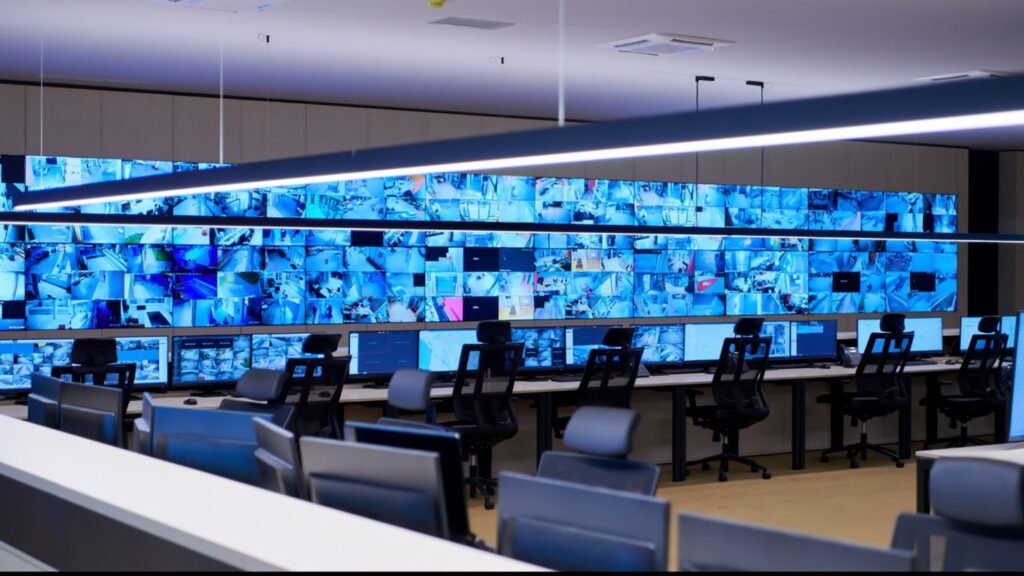
Sometimes the most useful security information happens long before an individual ever reaches the front door. While securing a building’s physical entry points is essential, waiting until an intruder is at the threshold often means your team is already operating in a reactive state. Broad exterior zones like parking areas, pedestrian sidewalks, perimeter gates, and vehicular driveways can provide the critical early context and advanced warning needed to prevent an incident before it escalates.
Implementing a comprehensive parking lot surveillance in St. Louis strategy is highly useful for commercial properties, industrial complexes, and campuses where large exterior areas play a major role in daily operations. These expansive outdoor spaces present distinct challenges, including fluctuating weather, vast distances, and varying lighting conditions, making a thoughtful design paramount. The most important part of the planning process is deciding exactly how much visual detail is needed, and precisely where that coverage must be concentrated.
To build an effective perimeter strategy, organizations generally classify their surveillance goals into three distinct tiers of detail based on location:
- Detection Zones (Perimeters and Fences): In wide-open areas or along distant property lines, the goal is often simply knowing if a person or vehicle is present. Wide-angle, high-coverage cameras or thermal sensors work best here to flag movement across large expanses without needing to see fine details.
- Recognition Zones (Driveways and Sidewalks): As individuals or vehicles move closer into general traffic lanes, the system needs enough clarity to recognize specific attributes. This includes identifying the make and color of a vehicle, distinguishing between a delivery worker and a visitor, or noting general clothing descriptions.
- Identification Zones (Gates and Choke Points): At critical bottleneck areas—such as gated entryways, specific parking stalls, or building approaches—the requirement shifts to absolute precision. These zones demand specialized high-resolution or license plate recognition (LPR) cameras capable of capturing undeniable forensic evidence, such as crisp facial features or distinct license plate characters.
By strategically mapping out these zones rather than scattering generic cameras blindly across a lot, businesses can maximize their budget. This targeted approach ensures that security teams receive high-quality, actionable data where it matters most, effectively extending the facility’s protective shield all the way to the edge of the property line.
Interior cameras should be selective
Not every hallway or office needs a camera. Focus on areas where visual information solves a real business problem. That might include entrances to restricted rooms, high-value storage, transaction areas, or major circulation points. Video surveillance systems in St. Louis work better when cameras are placed with a defined purpose. A camera pointed toward a bright doorway from a dark interior may face challenging lighting conditions. Outdoor cameras deal with daylight changes, headlights, shadows, and nighttime conditions. Those environmental factors should be considered during placement. The best view at noon may not be the best view after dark.
Avoid obvious obstructions
Signs, shelves, doors, landscaping, and stored materials can block a camera. So can future changes. A loading area may be clear during installation and filled with tall inventory later. Review what could realistically move into the field of view. If a system uses Video surveillance analytics in St. Louis, camera placement may need to support what the analytics are expected to evaluate. A general decorative camera angle is not the same thing as a view selected to produce useful analytic information. Define the objective first.
Construction sites require a different approach
Construction properties change constantly. Fences move. Equipment arrives. Building footprints change. Construction site security cameras in St. Louis may need flexible positioning as the project develops. Temporary surveillance can make more sense than treating an active construction site like a finished commercial building. Businesses should have clear policies around surveillance and follow applicable requirements for the spaces being monitored. The fact that a camera can be installed somewhere does not automatically mean it should be. Security goals should remain specific and legitimate. Even a good installation can change over time. A camera can move slightly. Landscaping can grow. A new sign can block part of the view.
Cam-Dex can work with commercial video systems, but businesses should still periodically look at what the cameras actually see. A St. Louis commercial video surveillance plan should remain useful after the installation day. That is why video surveillance systems in St. Louis should be evaluated by the quality of the information they capture, not by how many cameras appear on a building diagram.

Just Need Security That Works?
Look, we know security can get overwhelming fast—too many options, too much jargon. That’s not how we do things. At Cam-Dex, we’ve been doing this for decades. We show up, figure out what you actually need, and get it done right. No big sales pitch. No overcomplicating it.
Want to discuss your security needs? Fill out a form here. If you’ve got questions or just want to walk through some options, give us a call at 913-621-6160. We’ll talk like people. Figure it out together. Easy as that.