
A good commercial surveillance system isn’t necessarily the one with the most cameras, the highest resolution, or the longest list of features. It’s the system that gives your business useful video when and where you need it—and remains practical for your team to manage. That sounds simple, but there is a lot behind it. Camera placement, image quality, lighting, storage, network infrastructure, cybersecurity, remote access, video management, and integration can all affect how useful a surveillance system becomes. Two businesses could install similar cameras and end up with very different results because their facilities and security objectives aren’t the same. At Cam-Dex Security Corp., that’s how we believe businesses should approach Tulsa commercial video surveillance systems. Start with what you need to accomplish, then select and configure technology around those objectives.
Good Surveillance Starts With a Clear Purpose
Before choosing cameras, determine what you need them to see. Do you need general awareness of a parking area or detailed coverage of an entrance? Are you monitoring loading docks, inventory areas, employee entrances, hallways, or a property perimeter? Will someone routinely monitor live video, or will recordings primarily be reviewed after an incident? Those distinctions influence system design. A camera intended to provide a broad overview has a different job from one intended to capture useful detail at a controlled entrance. Simply putting a high-resolution camera in both locations doesn’t guarantee equally useful results. We prefer to think about cameras as tools with specific jobs. Once those jobs are identified, equipment selection becomes much more purposeful.
Image Quality Is About More Than Resolution
Resolution matters, but megapixels alone don’t determine whether recorded video will be useful. Camera angle, distance, lens selection, available light, movement, obstructions, and environmental conditions all affect what a camera captures. Exterior cameras also have to deal with changing daylight, darkness, weather, vehicle headlights, and other challenging conditions. Think about a business entrance with bright sunlight outside and a darker interior. A poorly selected or positioned camera may technically record someone entering while still failing to provide the detail the business expected. That’s why a good surveillance design considers the scene, not just the specification sheet. When evaluating Tulsa commercial video surveillance systems, ask what level of detail each camera needs to provide and under what conditions it needs to provide it.
Camera Placement Can Make or Break the System
More cameras don’t automatically create better coverage. A well-planned system considers entrances, exits, parking areas, loading docks, high-value locations, restricted areas, and other places important to the business. It should also consider camera height, viewing direction, potential blind spots, and physical obstructions. Placement should reflect how the facility actually operates. For example, a warehouse may need broad visibility across certain operational areas while requiring more focused coverage around shipping, receiving, or controlled inventory locations. An office property may place greater emphasis on entrances, common areas, parking, and restricted rooms. The goal isn’t to watch every square inch. It’s to create useful coverage around the locations that matter.
Storage Should Match How You Use Video
Recording video is only useful if the footage you need is still available when you go looking for it. Retention requirements can vary considerably between organizations. The number of cameras, resolution, frame rate, recording settings, activity levels, and other factors can influence storage requirements. That makes storage planning an important part of system design. Businesses should consider how far back they typically need to investigate an event and whether there are operational, contractual, insurance, or other requirements affecting retention. The answer shouldn’t simply be “as long as possible.” Longer retention can require additional resources, so the appropriate approach depends on actual business needs.
Should Your Business Consider Cloud Surveillance?
Cloud technology has changed how some organizations approach video surveillance. Depending on the platform and system architecture, cloud based surveillance in Tulsa can provide businesses with centralized management and remote capabilities without relying exclusively on a traditional local video-recording approach. That can be especially attractive for organizations managing multiple locations or for authorized personnel who need appropriate access to surveillance information away from the facility. But “cloud” is not one universal architecture. Some solutions store video primarily in the cloud, while others may combine local and cloud resources. Bandwidth, retention, cybersecurity, internet connectivity, camera count, and operational requirements should all be considered when deciding whether a particular cloud architecture makes sense. A good provider should explain those tradeoffs rather than recommending cloud technology simply because it’s newer.
Cloud Video Still Requires Careful Planning
Businesses exploring cloud based video in Tulsa should ask practical questions before selecting a platform. Where is video stored? What happens if internet connectivity is interrupted? How is user access managed? What retention options are available? How easily can footage be retrieved or exported? What ongoing costs are involved? How will the system scale if additional cameras or locations are added? Those questions help separate useful functionality from marketing language. Similarly, cloud surveillance video in Tulsa should be evaluated based on the organization’s real requirements. A cloud solution may be a strong fit for one company while a different architecture may make more sense for another. There isn’t one correct answer for every business.
Cybersecurity Belongs in the Surveillance Conversation
Modern network-connected surveillance systems are part of a business’s technology environment, so physical security and cybersecurity should not be treated as completely separate subjects. User permissions, passwords, software and firmware management, network design, remote connectivity, and system configuration all deserve attention. Access should be limited to authorized users, and organizations should consider who actually needs administrative privileges. When an employee with surveillance access leaves or changes responsibilities, those permissions should be reviewed just as physical access credentials would be. Businesses considering cloud security systems in Tulsa should also understand how security, account management, connectivity, and data handling are addressed by the solution being considered. Convenient access shouldn’t come at the expense of thoughtful security practices.
A Good System Makes Video Easier to Find
One of the most overlooked characteristics of a surveillance system is how easily employees can use it. Imagine having dozens of cameras recording continuously. An incident happens, but nobody knows the exact minute. Finding a short event within hours of footage can become frustrating if the video management tools are difficult to navigate. A good system should help authorized users efficiently locate relevant recordings. Depending on the platform, features may include organized camera views, event-based search capabilities, timelines, analytics, or other investigation tools. The available functionality varies, but the objective is the same: reduce the amount of time required to turn recorded video into useful information. Advanced technology isn’t particularly valuable if your employees struggle to use it.
Integration Can Add Context to Video
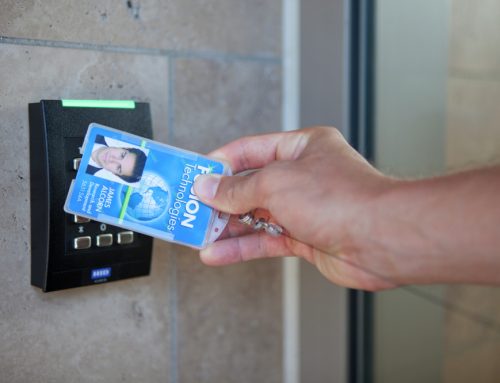
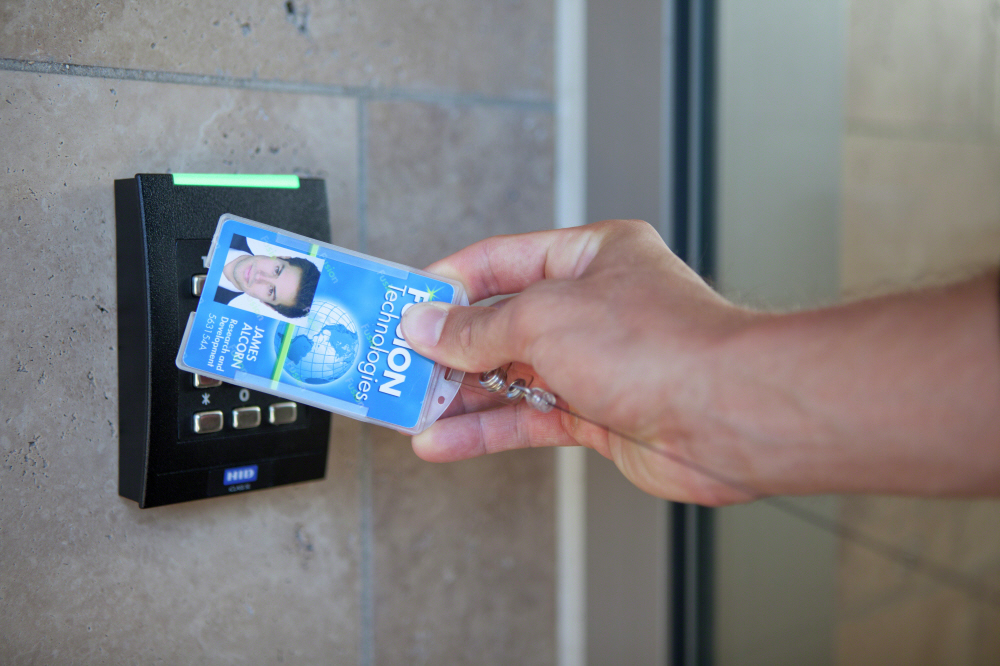
Surveillance becomes even more useful when it can work appropriately with other security technologies. Consider an access-controlled employee entrance. The access control system can provide information about credential activity, while the camera provides visual context around the door. When compatible technologies are integrated, investigating a particular event may become more efficient. Similar opportunities can exist with intrusion detection and other supported systems. Instead of treating surveillance as an isolated collection of cameras, businesses can consider how video fits into their overall security environment. That is one of the factors we consider important when planning Tulsa commercial video surveillance systems.
Scalability Matters More Than You May Think
A surveillance system that works today should not unnecessarily limit what your organization can do tomorrow. Businesses add employees, remodel facilities, expand warehouses, open new locations, and change how spaces are used. A surveillance system may need to evolve along with those changes. Before selecting a system, consider what adding cameras or locations would involve. Will management become increasingly complicated? Can additional authorized users be accommodated appropriately? Does the architecture make sense if the organization grows? For some multi-location organizations, cloud security video in Tulsa may be worth evaluating as part of that scalability discussion. For others, a different architecture may better fit their operational and infrastructure requirements. The important thing is to think beyond today’s camera count.
The Best Surveillance System Is the One That Fits Your Business
No surveillance system can prevent every incident, and cameras should not be treated as a substitute for good security procedures or employee awareness. What a properly designed system can do is improve visibility, provide useful recorded information, support investigations, and become part of a broader approach to protecting people and property. At Cam-Dex Security Corp., we believe a good surveillance system starts with questions rather than products. What are you protecting? Where do you need greater visibility? What level of detail matters? How long should recordings remain available? Who needs access? Do you need remote management? Could integration make security events easier to investigate? Those answers help determine the technology. If you’re evaluating Tulsa commercial video surveillance systems, Cam-Dex can help you consider your facility, surveillance objectives, existing infrastructure, and management needs before determining an appropriate approach. Because the measure of a good commercial surveillance system isn’t how impressive the equipment sounds. It’s how useful the system is when your business actually needs it.
Just Need Security That Works?
Look, we know security can get overwhelming fast—too many options, too much jargon. That’s not how we do things.
At Cam-Dex, we’ve been doing this for decades. We show up, figure out what you actually need, and get it done right. No big sales pitch. No overcomplicating it.

Want to discuss your security needs? Fill out a form here.
If you’ve got questions or just want to walk through some options, give us a call at 913-621-6160. We’ll talk like people. Figure it out together. Easy as that.