Facility security management is the process of protecting the people, property, assets, and operations inside and around a facility. It brings together security technology, policies, procedures, and day-to-day oversight so that security works as a coordinated strategy rather than a collection of separate products. That distinction matters. A building can have cameras, alarms, and controlled doors and still have security gaps if those systems weren’t selected and configured around how the facility actually operates. Effective security management starts by understanding the property: who uses it, where people enter, which areas require additional protection, what happens after hours, and how employees should respond when a security event occurs. At Cam-Dex Security Corp., that’s the perspective we believe businesses should bring to facility security in Tulsa. Security isn’t simply about installing equipment. It’s about creating layers of protection that make sense for the people and property being protected.
What Does Facility Security Management Include?
Facility security management can cover everything from controlling entrances to investigating incidents. The exact approach depends on the organization, but several technologies commonly form the foundation. Video surveillance provides visibility into important areas. Access control helps determine who can enter specific locations. Intrusion detection can alert appropriate personnel to potential unauthorized activity. Depending on the facility, additional technologies and integrations may also be appropriate. The management side is equally important. Someone needs to determine who receives access credentials, how security events are handled, which areas should be monitored, when permissions should change, and what happens when an employee leaves the organization. Good facility security systems in Tulsa should support those processes instead of making them more complicated.
Start by Understanding the Facility
One of the most important parts of security planning happens before equipment is selected. Walk through how the facility functions during an ordinary day. Where do employees arrive? Where do visitors enter? Are delivery drivers using the same entrances as employees? Which doors are busiest? Are there loading docks or secondary entrances that receive less attention? Which areas contain valuable inventory, sensitive information, or critical equipment? Does anyone work alone or after normal business hours? The answers can reveal where additional security measures may be appropriate. A camera placed simply because there is room for one isn’t necessarily useful. Neither is an access-controlled door that interferes with normal operations. Security technology should solve identifiable problems and support the way people actually use the building. That’s one reason professional Tulsa facility security should begin with operational needs rather than a shopping list of devices.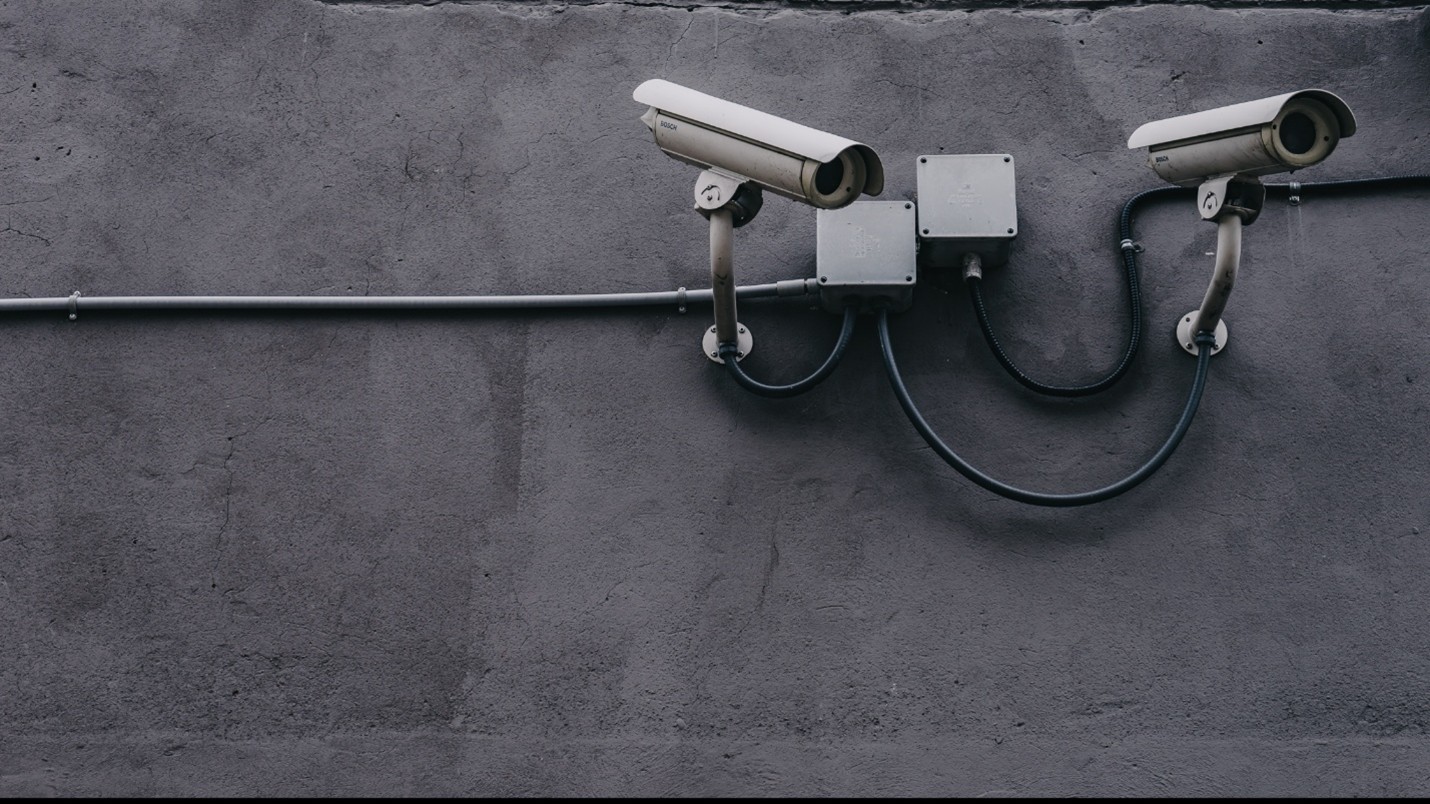
Access Control Is a Key Part of Facility Management
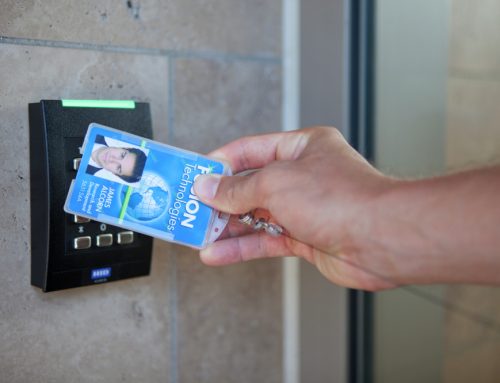
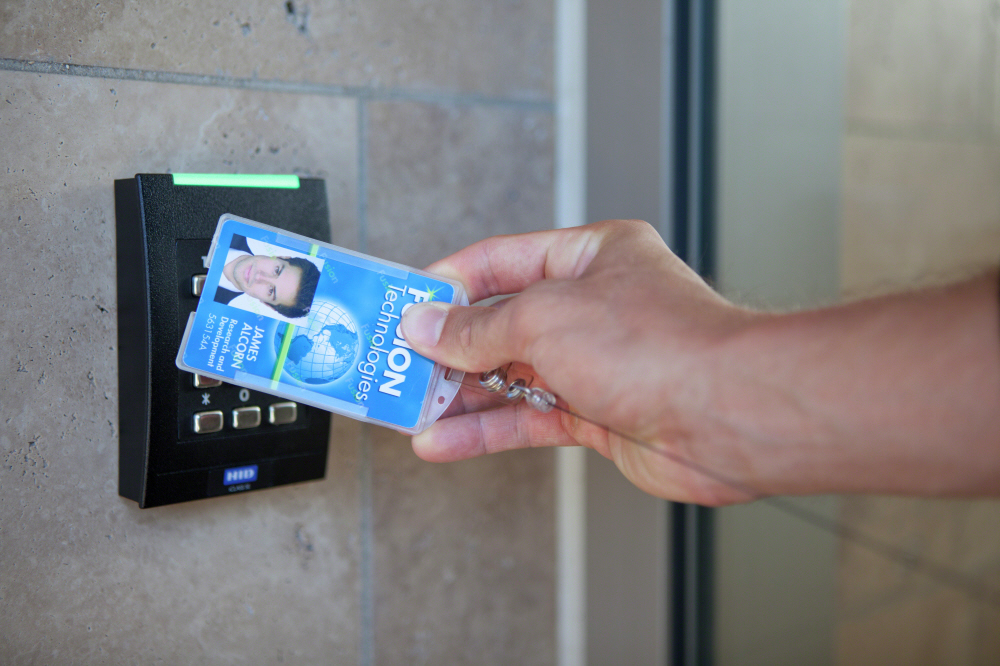
Not everyone needs access to every part of a facility. Electronic access control allows an organization to establish permissions based on responsibilities and security requirements. An employee might have access to general work areas but not an equipment room, records area, server room, pharmacy, inventory cage, or other restricted location. Access permissions can also be changed as circumstances change. If an employee moves to another department, permissions can be adjusted. If someone leaves the organization, credentials can be disabled. That provides greater administrative flexibility than relying entirely on physical keys. Access records can also provide useful information when an authorized administrator needs to investigate activity at a controlled entrance. The goal isn’t to make movement through a building unnecessarily difficult. It’s to create sensible boundaries around areas that require them.
Video Surveillance Improves Situational Awareness
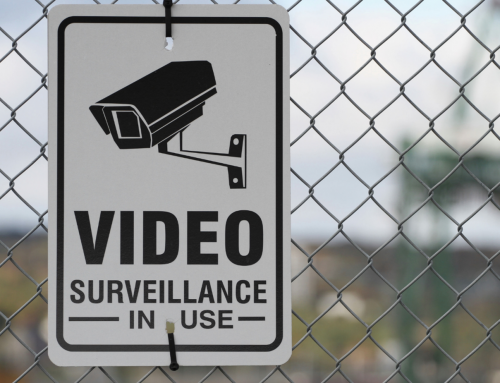
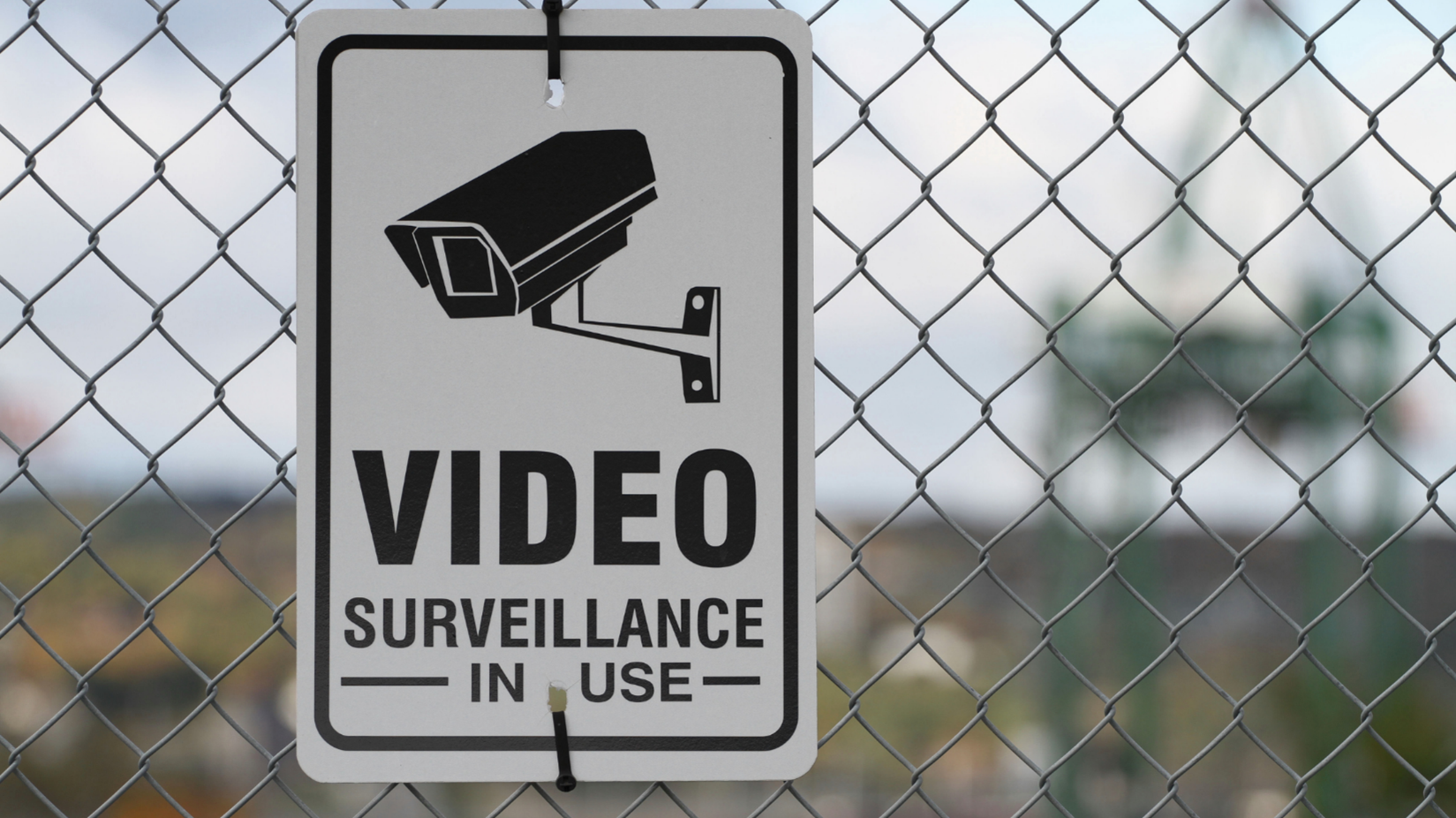
Facility managers cannot physically observe every entrance, hallway, parking area, loading dock, and exterior space at once. Video surveillance can help fill those visibility gaps. Strategically located cameras can give authorized personnel information about activity in important areas and provide recorded video for later review. If an incident occurs, footage may help establish what happened before, during, and after the event. Camera placement should therefore be based on purpose. What does the organization need to see? Which locations are most important? Are entrances clearly covered? Are there environmental conditions that affect the image? How long does the organization need to retain recorded video? Those questions matter more than simply maximizing camera count. When you’re evaluating a Tulsa facility security company, the conversation should include why particular security measures are being recommended—not just what equipment can be installed.
Intrusion Detection Adds Another Layer
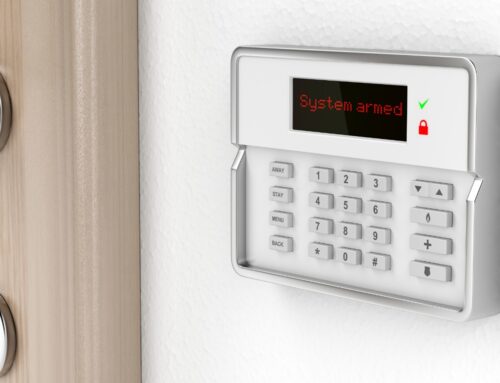
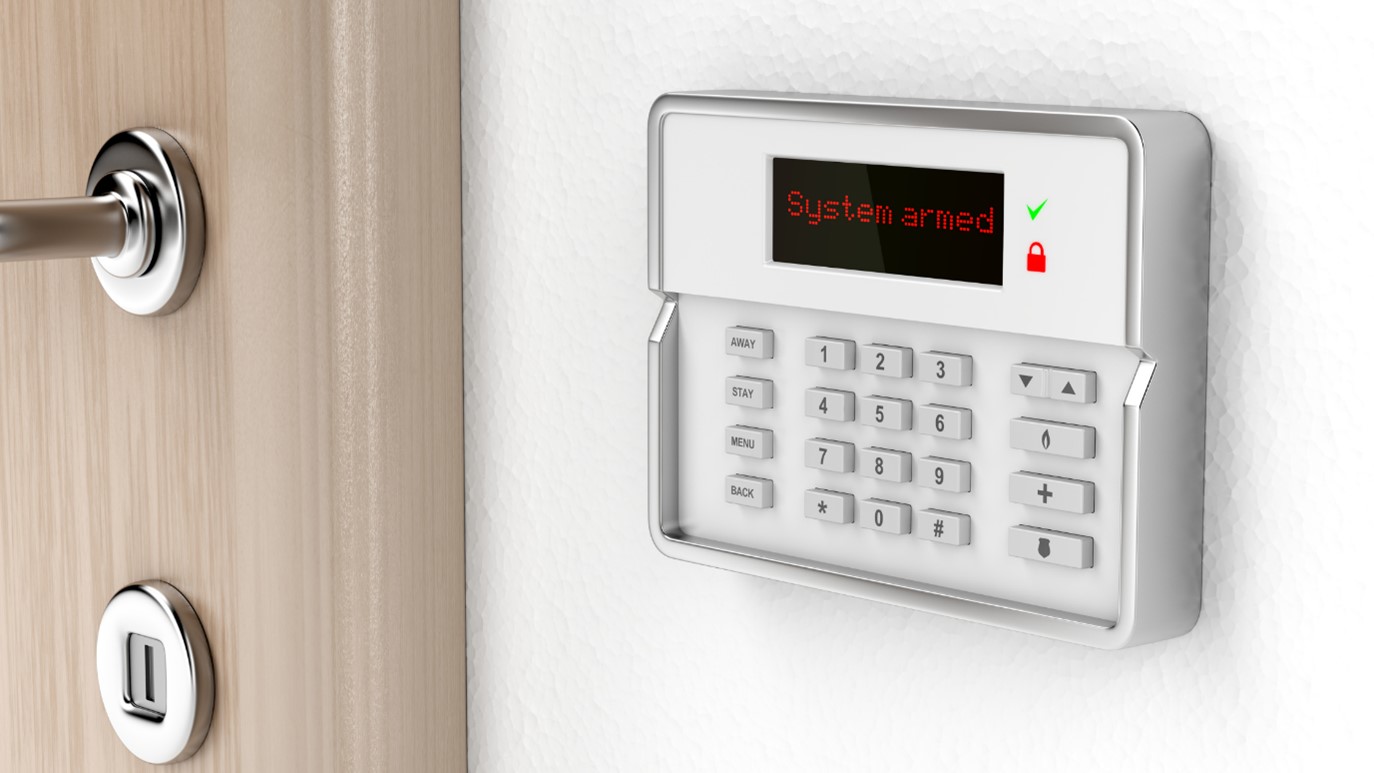
Access control manages authorized entry, but facilities also need to consider what happens when unauthorized access is attempted. Intrusion detection can provide another layer of protection around doors, windows, and other vulnerable areas. Depending on the system design and the organization’s procedures, an alarm event can bring unusual activity to the attention of designated personnel. This can be especially important after normal operating hours, when fewer people are present to notice a problem. Intrusion detection should not be viewed as a replacement for surveillance or access control. Each technology serves a different purpose. When appropriately designed, these layers can complement one another. That’s an important principle when planning facility security in Tulsa: don’t depend on one device or technology to solve every security concern.
Integration Makes Security Easier to Manage
Security becomes more complicated when every technology operates independently. Imagine investigating an unusual door event. With separate systems, an employee may have to find the access record, note the exact time, open a different video platform, locate the appropriate camera, and then search for corresponding footage. Integration can streamline that process. Depending on the technologies involved, access control, video surveillance, and intrusion detection may be able to share useful information or provide related context. That can help authorized personnel investigate events more efficiently. For a large facility with numerous doors, cameras, employees, and daily events, reducing those manual steps can make security management significantly more practical.
Healthcare Facilities Require Careful Security Planning
Facility security becomes particularly complex in healthcare environments. Hospitals, clinics, and other healthcare properties can have employees, patients, visitors, vendors, and contractors moving through the same building. Some areas need to remain accessible, while others may require considerably tighter restrictions. That makes healthcare security systems in Tulsa an example of why security must be designed around the facility rather than applied from a standard template. Security planners may need to consider public entrances, staff-only locations, medication or supply areas, administrative spaces, exterior areas, and other locations with different access and monitoring requirements. At the same time, security technology should support the facility’s operational requirements rather than unnecessarily interfering with employees or the people they serve. Well-planned Tulsa healthcare security systems require that balance between security, accessibility, and practical daily use.
Security Management Is an Ongoing Process
One misconception about facility security is that the job is finished once the equipment is installed. Facilities change. Employees join and leave. Departments relocate. Buildings are renovated. Operating hours change. New entrances may be added. Areas that were once low-risk may begin storing more valuable equipment or information. Security practices should account for those changes. Organizations should periodically consider whether access permissions still make sense, whether security procedures remain appropriate, and whether their existing technology continues to support current operations. Security systems also require appropriate maintenance and management. A camera cannot provide useful footage if it isn’t functioning properly, and access-control policies lose value if outdated credentials aren’t appropriately managed.
People Remain an Essential Part of Facility Security
Technology is important, but no security system can guarantee that an incident will never occur. Employees and established procedures remain essential. People should know how to report suspicious activity, what to do when an alarm occurs, how visitors are handled, and whom to contact when something doesn’t look right. Administrators should understand their responsibilities for managing credentials and security information. Technology can provide visibility, control, records, and alerts. People use that information to make decisions. The strongest approach to facility security in Tulsa brings those elements together instead of expecting technology to replace good policies and informed employees.
Build Security Around the Way Your Facility Works
Effective facility security management isn’t about surrounding a building with as much technology as possible. It’s about understanding vulnerabilities and selecting the right combination of technology, procedures, and management practices to address them. That could mean controlling access to sensitive areas, improving visibility around entrances, adding intrusion detection after hours, or integrating existing systems so security events are easier to investigate. Every facility will have a different answer. At Cam-Dex Security Corp., we believe the right starting point is understanding your building, your operations, and the people you’re trying to protect. From offices and commercial properties to healthcare environments and other complex facilities, security should be purposeful, manageable, and designed around real operational needs. If you’re evaluating your current security or planning protection for a new facility, Cam-Dex can help you determine which technologies make sense for your property. The objective isn’t simply to add more security equipment. It’s to create a security environment that helps your organization stay aware, maintain control, and protect what matters every day.
Just Need Security That Works?
Look, we know security can get overwhelming fast—too many options, too much jargon. That’s not how we do things.
At Cam-Dex, we’ve been doing this for decades. We show up, figure out what you actually need, and get it done right. No big sales pitch. No overcomplicating it.

Want to discuss your security needs? Fill out a form here.
If you’ve got questions or just want to walk through some options, give us a call at 913-621-6160. We’ll talk like people. Figure it out together. Easy as that.