If your business already has security cameras, you may wonder how much has really changed. After all, traditional CCTV and today’s commercial video surveillance systems both have cameras, both record activity, and both can help you review an incident after it happens. The difference is in what happens between those steps. Traditional closed-circuit television (CCTV) was primarily designed to provide video from cameras to a limited set of monitors and recording equipment. Modern commercial surveillance can offer higher-resolution network cameras, centralized management, remote capabilities, system integrations, advanced search tools, and video analytics. The result can be a system that provides businesses with more useful information and makes that information easier to manage. At Cam-Dex Security Corp., we believe that’s the important question when evaluating commercial video surveillance in Tulsa: not simply whether you have cameras, but whether your surveillance system actually helps you protect and manage your facility.
What Is Traditional CCTV?
CCTV stands for closed-circuit television. Unlike broadcast television, video is transmitted within a closed system to designated monitors and recording equipment. Traditional systems commonly use analog cameras connected by cabling to a digital video recorder (DVR). For many years, this was a practical way for businesses to monitor entrances, parking lots, warehouses, offices, and other important areas. And traditional CCTV isn’t automatically useless just because newer technology exists. If an existing system provides adequate coverage and usable recorded video, parts of that infrastructure may still have value. The better question is whether the system continues to meet the organization’s current requirements. Problems arise when older cameras provide insufficient image quality, recorded footage is difficult to search, storage is inadequate, coverage no longer matches the facility, or the system cannot support capabilities the business now needs.
How Is Modern Video Surveillance Different?
Modern video surveillance systems in Tulsa can use network-based cameras and video management software to provide considerably more flexibility than conventional CCTV architectures. Network, or IP, cameras convert video into digital data that can be transmitted across an appropriate network infrastructure. Depending on the system, this can support higher-resolution images, flexible camera deployment, centralized system management, and integration with other security technologies. For the customer, however, technical specifications only matter when they solve a practical problem. If someone enters your property after hours, can you find the relevant video quickly? If an incident occurs at an entrance, can you see enough detail to understand what happened? If you operate a large facility, can authorized employees efficiently manage cameras across the property? Those are the questions that should drive system design.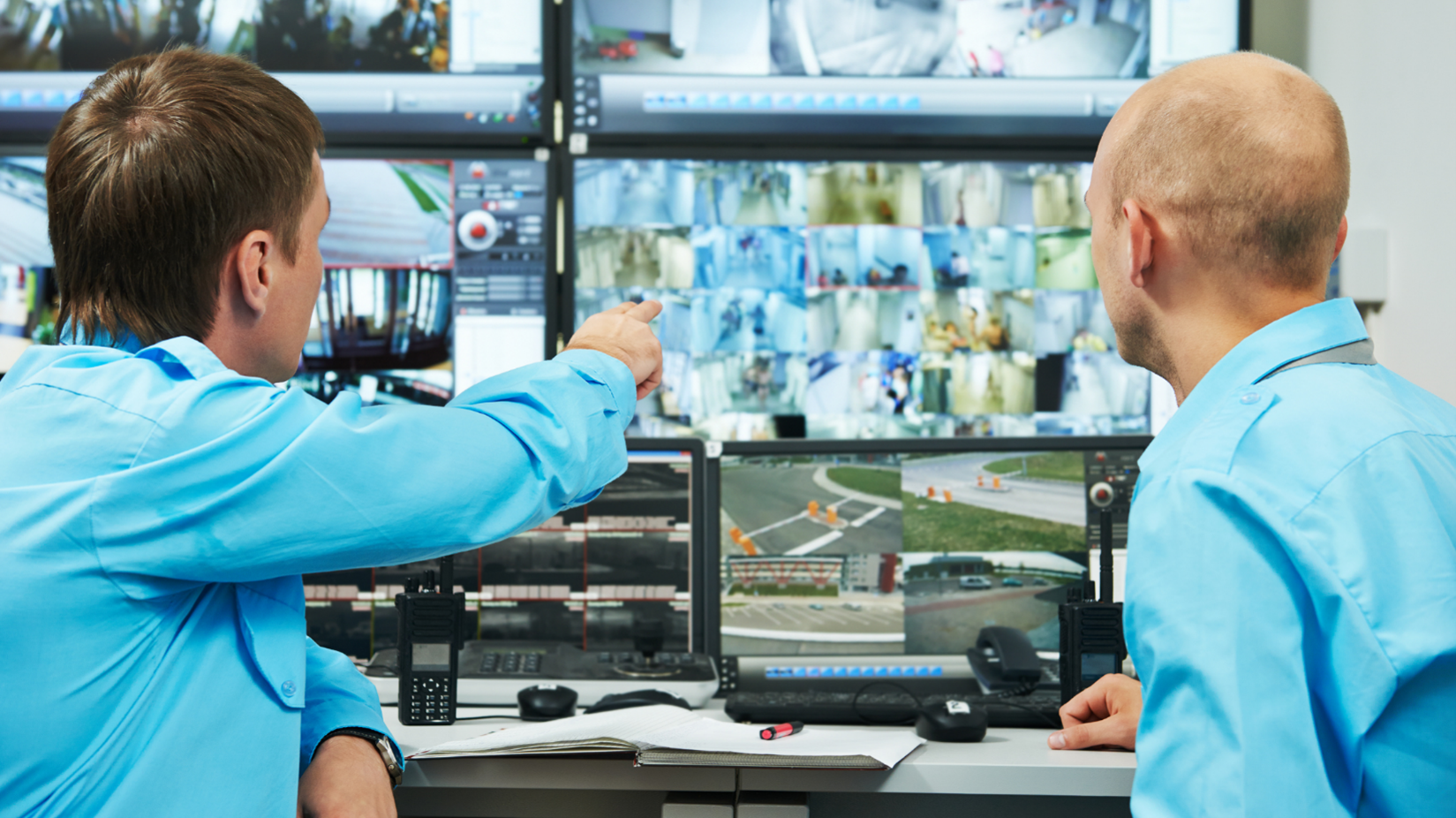
Image Quality Can Make a Significant Difference
Recording an incident and recording useful detail are not necessarily the same thing. Older cameras may show that a person or vehicle was present without capturing enough detail to make the footage useful for the intended purpose. Modern surveillance cameras are available in a range of resolutions and configurations that can provide substantially greater detail when properly selected and positioned. But resolution isn’t everything. Lighting, camera angle, lens selection, distance from the subject, environmental conditions, and the intended field of view can all influence the usefulness of recorded video. A high-resolution camera installed in the wrong place can still produce disappointing results. That’s why planning commercial video surveillance in Tulsa should involve more than comparing camera specifications. We want to consider what each camera needs to accomplish at its location.
Modern Systems Can Make Video Easier to Manage
One challenge with surveillance isn’t capturing video. It’s finding the few minutes you actually need among days or weeks of recordings. Traditional investigation can involve identifying an approximate time and manually reviewing footage until the relevant event appears. Across numerous cameras and a large facility, that can become time-consuming. Modern video management systems can provide tools that help authorized users organize cameras, navigate recordings, and investigate events more efficiently. The exact capabilities vary by platform, but improved management can be one of the most meaningful differences between older CCTV and current Tulsa commercial video surveillance. A surveillance system shouldn’t create more work every time you need information from it.
What Are Video Surveillance Analytics?
Video analytics take surveillance another step by using software to analyze video for defined objects, behaviors, or events. Depending on the technology and configuration, analytics may help identify people or vehicles, detect activity in defined areas, or make recorded video easier to search. Instead of expecting someone to continuously watch every camera, analytics can help users focus their attention on information relevant to their security objectives. When businesses consider video surveillance analytics in Tulsa, we believe it’s important to begin with the problem they want analytics to solve. Adding a feature simply because it’s available doesn’t necessarily improve security. Analytics should have a purpose—whether that’s making investigations more efficient, improving awareness around a particular area, or helping authorized users locate relevant video.
Analytics Don’t Replace People
Modern analytics can be powerful, but they should not be treated as infallible. Performance can be influenced by factors such as camera placement, lighting, environmental conditions, scene complexity, and system configuration. An analytic event still needs to be considered in context and handled according to the organization’s procedures. That’s an important distinction when evaluating Tulsa video surveillance analytics. The objective isn’t to remove human judgment from security. It’s to give people better tools for identifying, locating, and evaluating relevant information. That approach also helps businesses establish realistic expectations about what surveillance technology can and cannot do.
Modern Surveillance Can Integrate With Other Security Systems
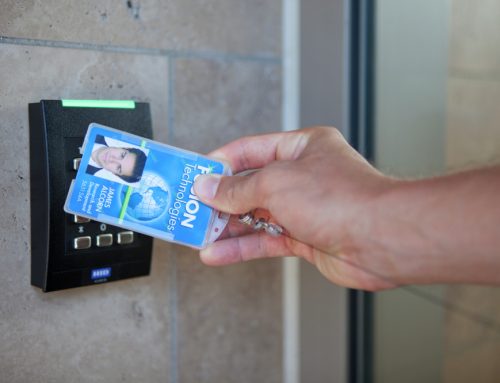
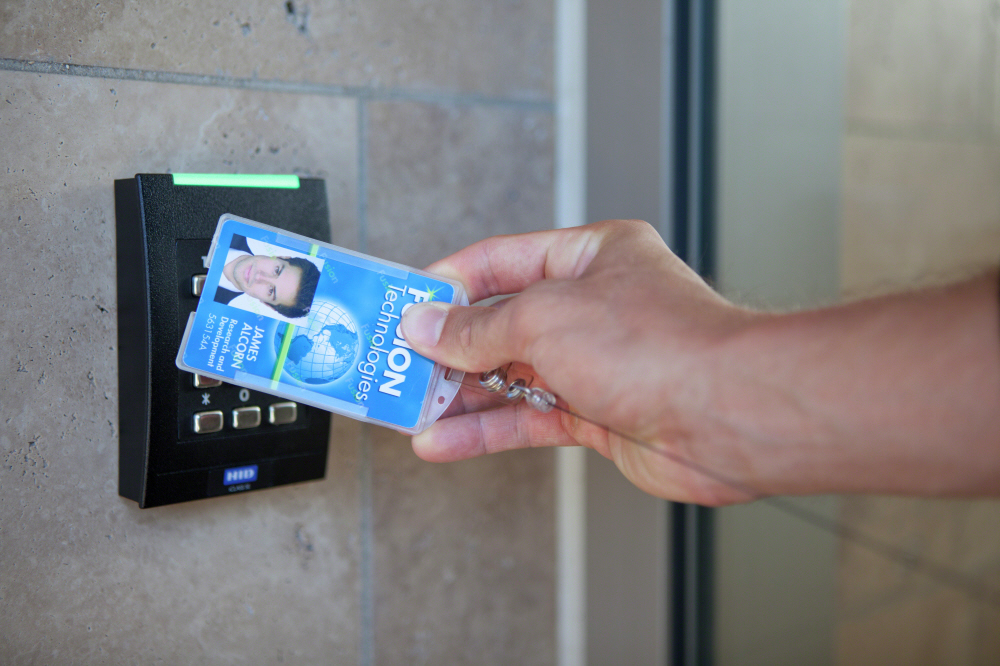
One of the biggest advantages of modern commercial surveillance is the opportunity for integration. Consider access control. An access control system can record when a credential is used at a controlled door, while surveillance provides visual context around that location. When compatible systems are integrated, authorized personnel may be able to associate access events with corresponding video more efficiently. The same principle can apply to intrusion detection and other supported security technologies. Instead of treating cameras as an isolated system, Tulsa commercial video surveillance systems can become part of a broader security strategy. For businesses with numerous doors, cameras, employees, or facilities, reducing the number of disconnected steps required to investigate an event can save valuable time.
Should You Replace an Existing CCTV System?
Not necessarily. We don’t believe a business should replace equipment simply because something newer exists. The decision should start with what your existing system can and cannot accomplish. Ask practical questions. Are important areas adequately covered? Is recorded video clear enough for its intended purpose? Can you retrieve footage efficiently? Is the system reliable? Does it provide enough storage? Are there areas where your business has changed but camera coverage hasn’t? Do you need integrations or management capabilities your current equipment cannot provide? The answers may point toward replacing the system, upgrading specific components, expanding coverage, or continuing to use portions of the existing infrastructure. A professional evaluation can help determine which approach makes sense instead of assuming everything needs to be replaced.
Surveillance Should Be Designed Around the Facility
A retail environment doesn’t use surveillance the same way as a warehouse. An office building has different priorities from a distribution center. Parking lots, loading docks, employee entrances, customer areas, restricted rooms, and property perimeters each present different surveillance challenges. That’s why camera quantity should never be the only measure of a system. A smaller number of thoughtfully selected and positioned cameras can sometimes provide more useful coverage than a larger number installed without a clear objective. When we think about commercial video surveillance in Tulsa, we look at what the business needs to see, where important activity occurs, and how authorized personnel will actually use recorded and live video.
Moving Beyond Traditional CCTV
Traditional CCTV established the foundation for business video security, and an existing CCTV system may still serve its intended purpose. But modern commercial surveillance can provide capabilities that older systems were never designed to deliver. Higher-quality digital video can provide greater detail. Video management platforms can make cameras and recordings easier to manage. Analytics can help users locate or identify relevant activity. Integration can connect video with other parts of a facility’s security environment. None of those features should be added just to make a system sound more advanced. At Cam-Dex Security Corp., we believe surveillance technology should have a practical purpose. If you’re evaluating an existing CCTV system or considering a new surveillance solution, we can help you look at your facility, current equipment, coverage requirements, and security objectives to determine what makes sense. The goal isn’t simply to install newer cameras. It’s to build a surveillance system that gives your business useful information when you actually need it.
Just Need Security That Works?
Look, we know security can get overwhelming fast—too many options, too much jargon. That’s not how we do things.
At Cam-Dex, we’ve been doing this for decades. We show up, figure out what you actually need, and get it done right. No big sales pitch. No overcomplicating it.

Want to discuss your security needs? Fill out a form here.
If you’ve got questions or just want to walk through some options, give us a call at 913-621-6160. We’ll talk like people. Figure it out together. Easy as that.