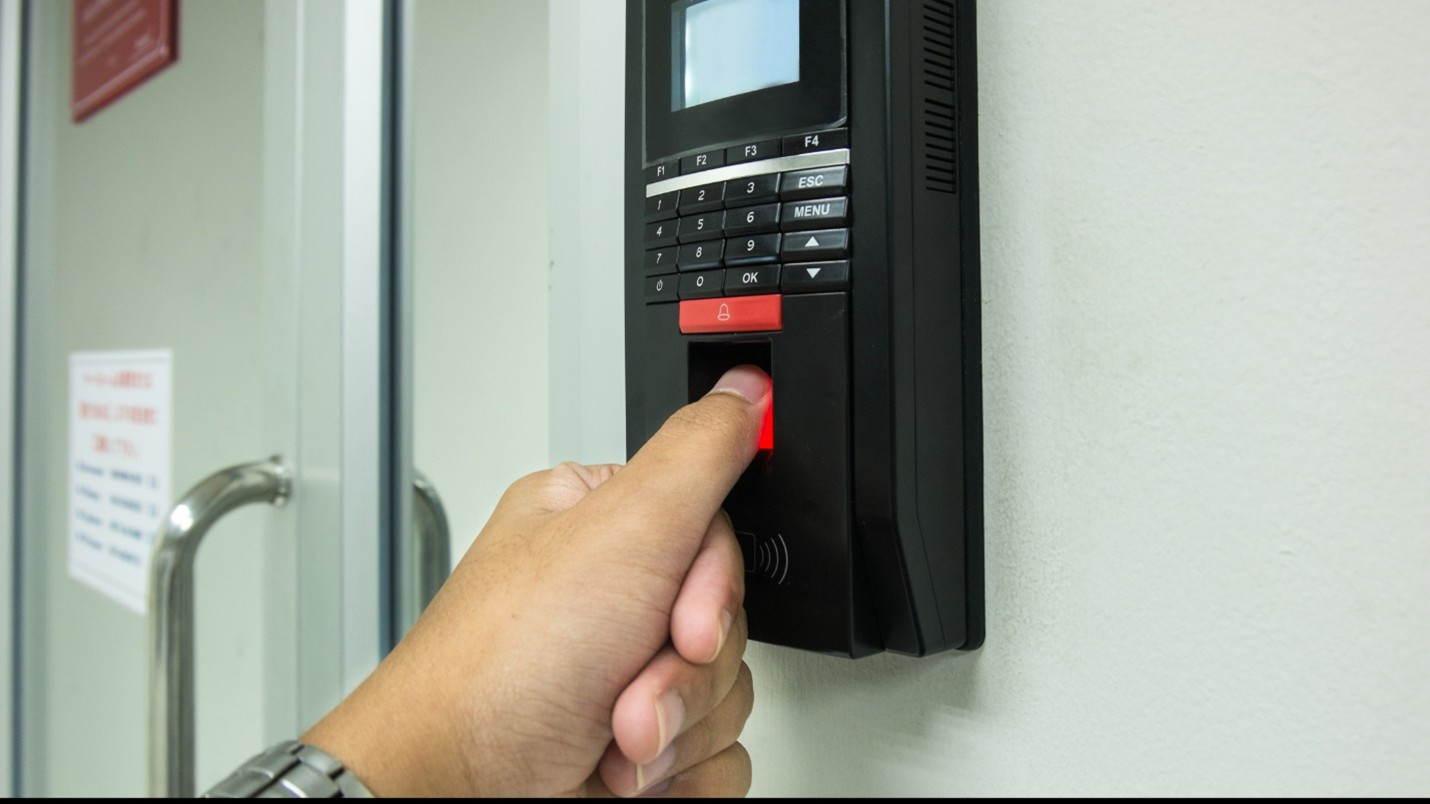
Biometric security used to sound futuristic. Fingerprint scanners felt high-tech. Facial recognition seemed like something reserved for airports or federal buildings. Now? It’s part of everyday facility security conversations.
When people ask about biometric security in Tulsa, they’re usually trying to understand two things: Is it reliable? And is it worth it?
The short answer is yes. But the story behind how we got here is what really matters.
Where Did Biometric Security Start?
In the early days, biometric systems were… let’s just say imperfect.
Fingerprint readers struggled with worn hands. Facial recognition needed perfect lighting. Systems didn’t integrate smoothly with access control. And when something failed, troubleshooting wasn’t always simple.
Because of that, biometric systems were mostly limited to high-security environments.
Over time, though, things changed. As a company that’s watched security technology evolve for decades, we’ve seen biometric tools move from niche installations to practical, everyday solutions.
What Changed Over the Years?
A few major improvements made the difference.
First, accuracy improved dramatically. Today’s biometric security in Tulsa uses advanced matching algorithms. The system isn’t just looking at a basic fingerprint image. It’s analyzing encrypted data patterns. That reduces false rejections and speeds up authentication.
Second, integration improved. Early biometric readers were often standalone systems. Now, they connect directly to video, access logs, and monitoring platforms.
Third, hardware became more durable and adaptable. Systems now work better in varying light, temperature, and environmental conditions.
Those changes shifted biometrics from “interesting” to “dependable.”
Why Did Contactless Access Become So Popular?
There was a noticeable turning point when businesses began prioritizing touch-free entry. Hygiene became a bigger concern. Convenience became more important.
That’s when contactless access control systems in Tulsa started gaining serious traction.
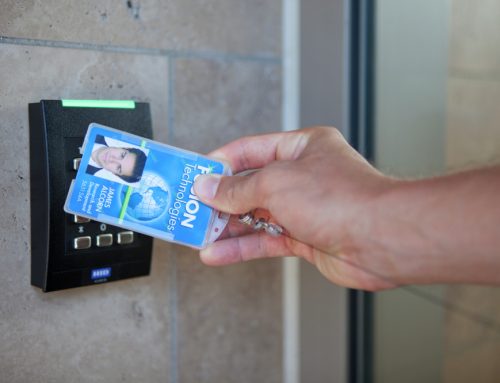
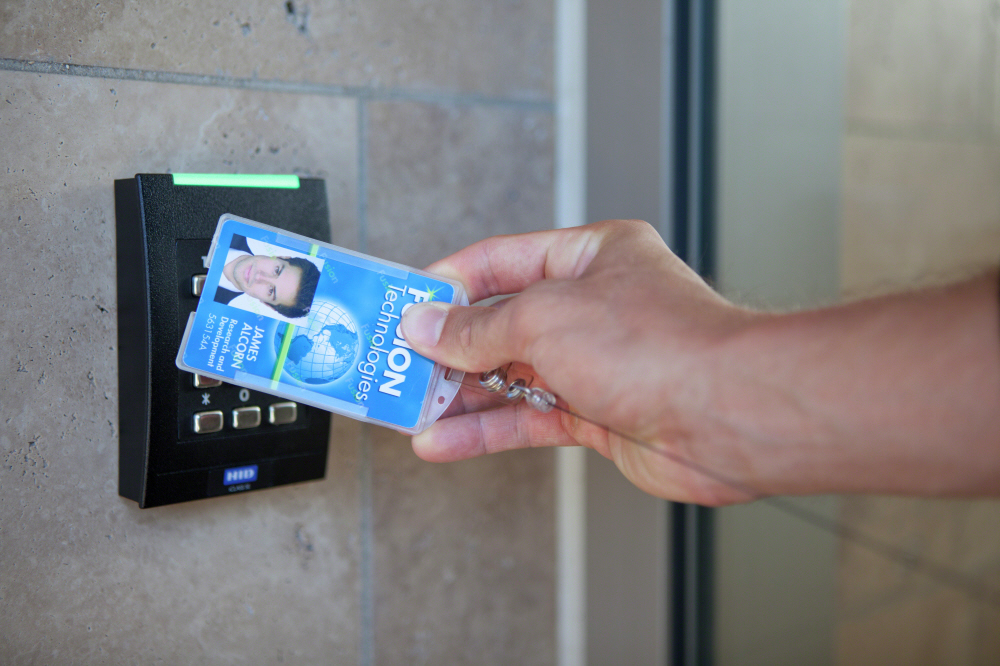
Instead of touching a reader, users can authenticate with facial recognition or proximity credentials. In many facilities, Tulsa contactless access control systems are paired with biometric verification to create a smoother and faster entry experience.
What used to feel like added friction now feels seamless.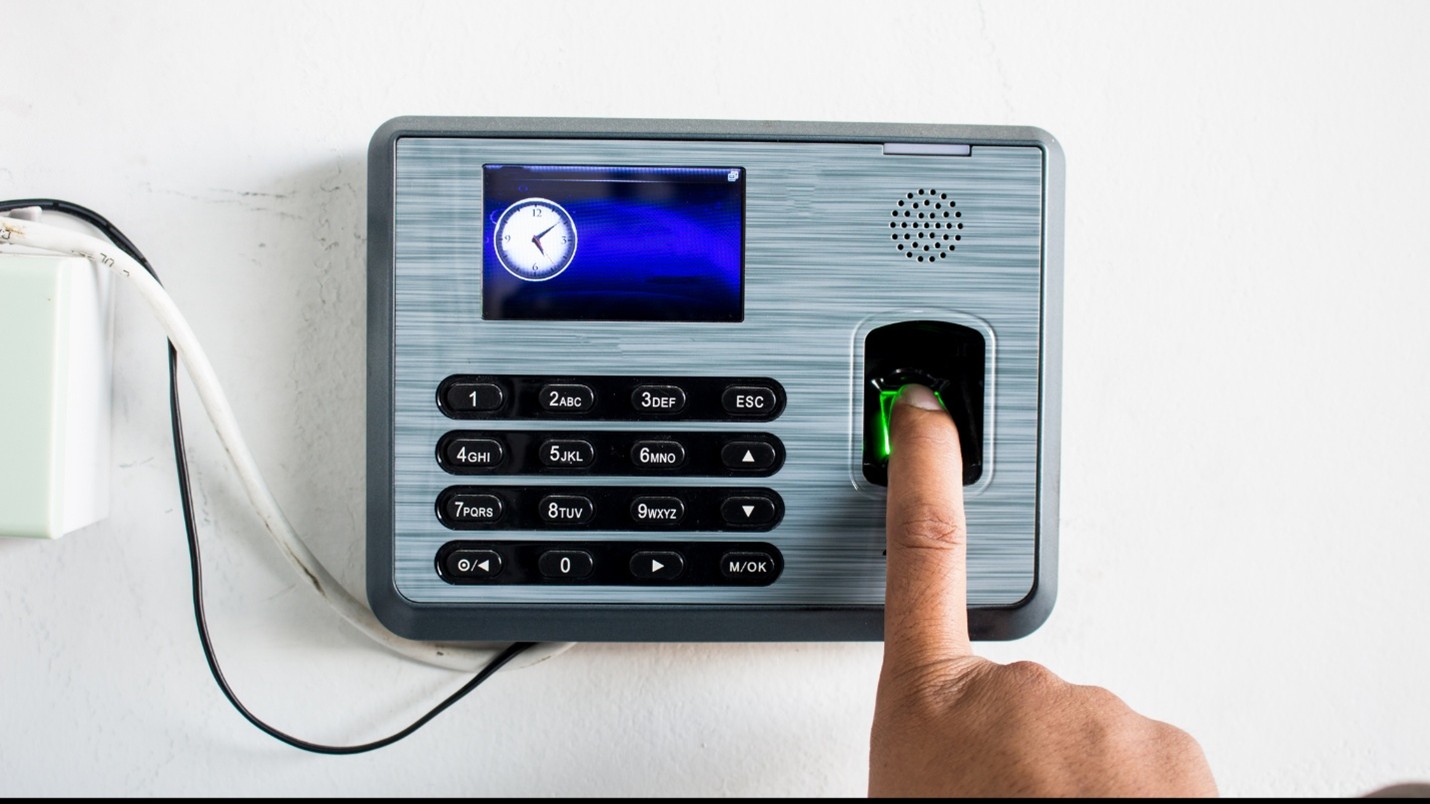
How Is Biometric Security Used Today?
Biometric systems are no longer reserved for federal buildings. We now see Tulsa biometric security solutions in:
- Healthcare facilities
- Corporate offices
- Warehouses
- Government buildings
- Restricted school administrative areas
In many cases, biometrics are layered with traditional credentials. For example, facilities may combine fingerprint or facial recognition with Tulsa holographic card access control systems to add an extra verification step.
That layered approach strengthens security without overcomplicating daily operations.
Is Biometric Security More Affordable Now?
Yes, significantly.
Early systems required specialized hardware and infrastructure. Today, biometric readers can be integrated into broader access platforms. Cloud-based administration also reduces the need for on-site management servers.
For organizations exploring biometric security in Tulsa, the return on investment is easier to measure now than it was years ago.
Preventing unauthorized access once or twice can often justify the entire system.
How Does Cloud Technology Play a Role?
Cloud-based management changed everything.
Instead of managing credentials locally, administrators can oversee access permissions across multiple buildings from a centralized dashboard.
Many modern contactless access control systems now include remote management capabilities. That flexibility makes scaling easier, especially for organizations with more than one facility.
Updates happen faster. Permissions change instantly. Oversight improves.
What About Privacy Concerns?
This question comes up often.
Modern biometric systems don’t store images the way people assume. They store encrypted mathematical representations. That data can’t simply be reversed into a fingerprint or facial image.
Properly implemented systems follow strict data protection protocols. Privacy and security are not opposing forces. They work together when the system is designed responsibly.
What Makes a Good Biometric Security Partner?
Technology matters. But design matters more.
As a Tulsa biometric security company, we start by understanding the facility. How many access points exist? What level of verification is truly needed? How does traffic flow throughout the building?
Biometric systems shouldn’t create bottlenecks. They should improve the flow while increasing protection.
The right design makes all the difference.
Where Is Biometric Security Headed Next?
We expect continued improvements in:
- Faster recognition speeds
- Multi-factor authentication combinations
- Deeper integration with mobile credentials
- Smarter cloud management
Biometrics will likely continue blending into daily operations rather than standing out as “high tech.”
For facilities considering biometric security in Tulsa, the evolution is clear. What used to be experimental is now dependable.
Biometric security has matured. It’s no longer about novelty. It’s about precision and accountability.
Modern systems provide stronger identity verification than traditional badges alone. They integrate with video and monitoring platforms. They scale across facilities. And they do all of that with far fewer complications than earlier versions.
If you’re evaluating how biometric access fits into your security strategy, it helps to look at how far the technology has come.
We’re committed to helping you 24 hours a day, 7 days a week with all your security system and video surveillance needs. Cam-Dex will provide a FREE Analysis of your current security systems. Contact Us to speak to one of our experienced and insured professionals today and see how biometric security can strengthen your facility without adding unnecessary complexity.
Just Need Security That Works? Reach out to us online at Cam-Dex to fill out a form online. Or call us:
Kansas City, KS at 913-621-6160
St. Louis, MO at 314-989-1984

Look, we know security can get overwhelming fast too many options, too much jargon. That’s not how we do things.
We’ve been doing this for decades. We show up, figure out what you actually need, and get it done right. No big sales pitch. No overcomplicating it.