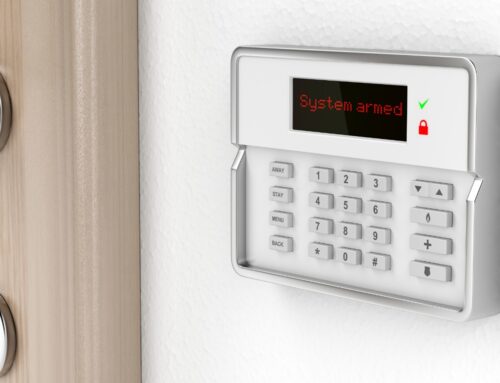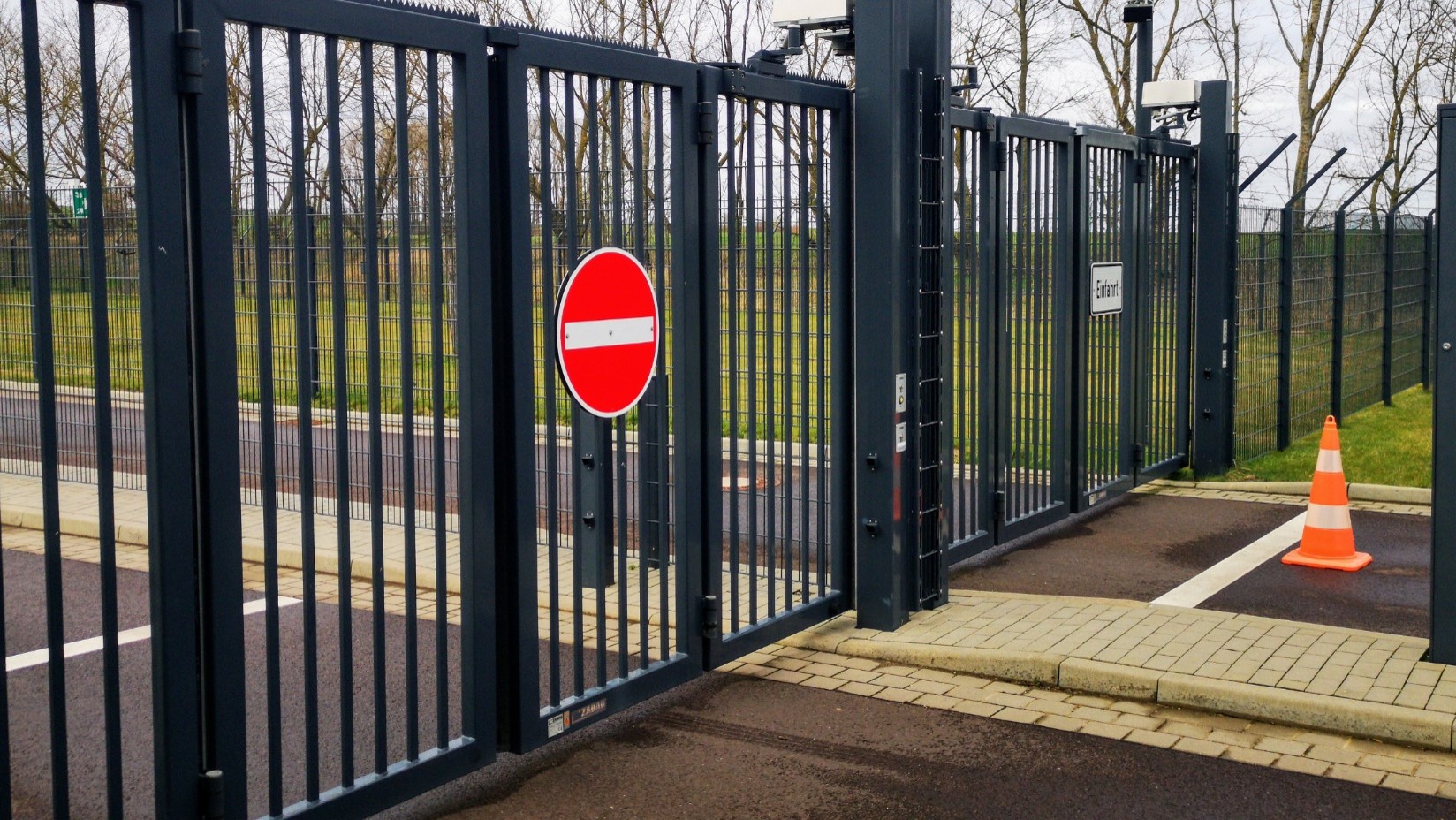
Tulsa government security systems have to do more than lock doors and record video. Government buildings carry a different kind of pressure. There may be public access, employee-only areas, records, evidence, equipment, dispatch rooms, utility spaces, or meetings where privacy matters. The security system has to respect all of that without making the building impossible to use.
That is why choosing the right security systems company is less about finding the loudest sales pitch and more about finding a team that understands how public buildings actually work. A good partner should be comfortable with procedure, documentation, training, and long-term support.
Start with the way the building is used
A city office, courthouse, public works facility, and federal support building will not have the same traffic pattern. Some spaces are open to visitors all day. Others should be locked down except for specific staff. Some areas may need cameras. Some may need access control. Some may need both, plus alarms and clear reporting.
Before talking products, the security company should ask how the facility operates. Who comes in first? Who leaves last? Which entrances are public? Which doors are staff-only? Are there deliveries, contractors, meetings, hearings, or after-hours service calls?
Those details shape government security systems in Tulsa more than any single piece of equipment.
Look for clear access rules
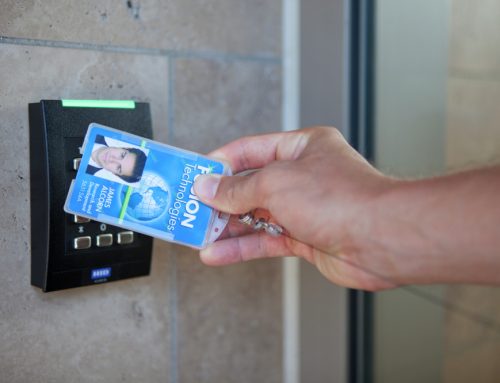
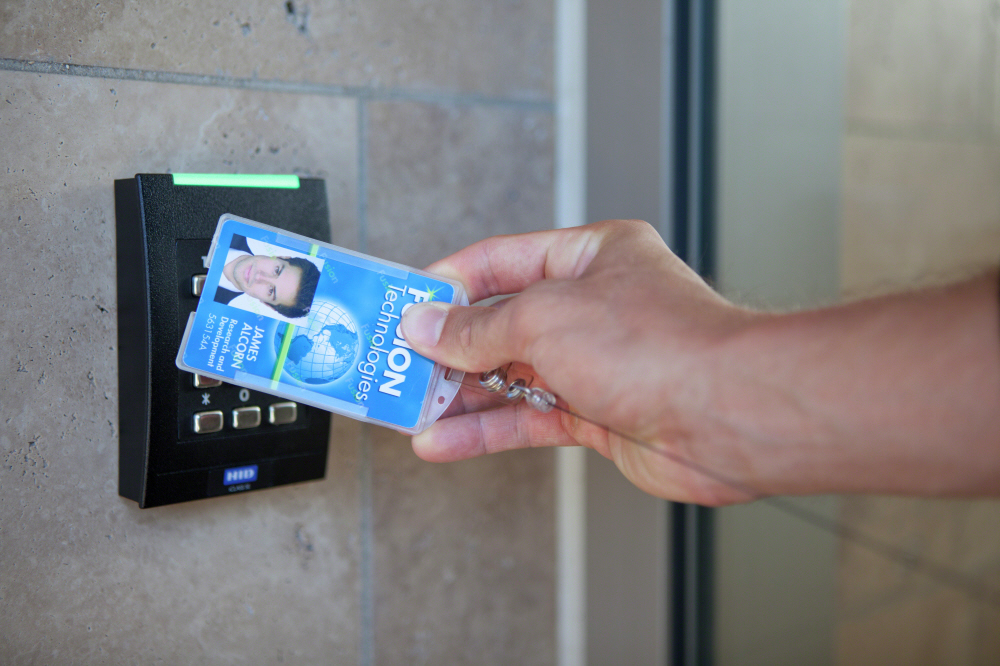
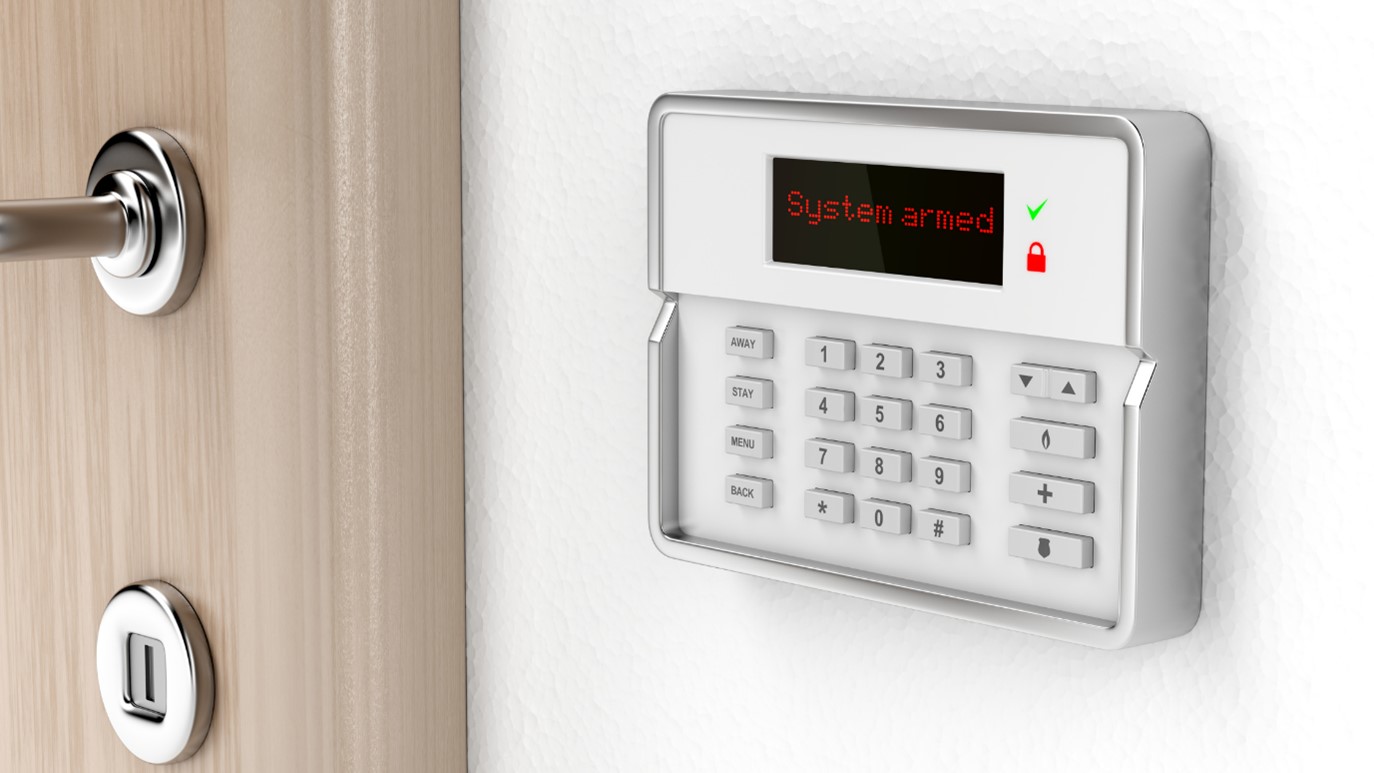
Access control can get messy in government buildings because roles change. Employees transfer departments. Contractors come and go. Temporary access may be needed for inspections, repairs, or special events. If the system is hard to manage, people find workarounds.
A good integrator should help define access levels before the system goes live. They should ask who needs entry, when they need it, and who has permission to approve changes. That may sound simple, but it saves a lot of trouble later.
For federal government security systems in Tulsa, access rules may also need to support stricter reporting and audit needs. The system should make it easy to see who accessed a space and when, without digging through a confusing mess of logs.
Cameras should answer real questions
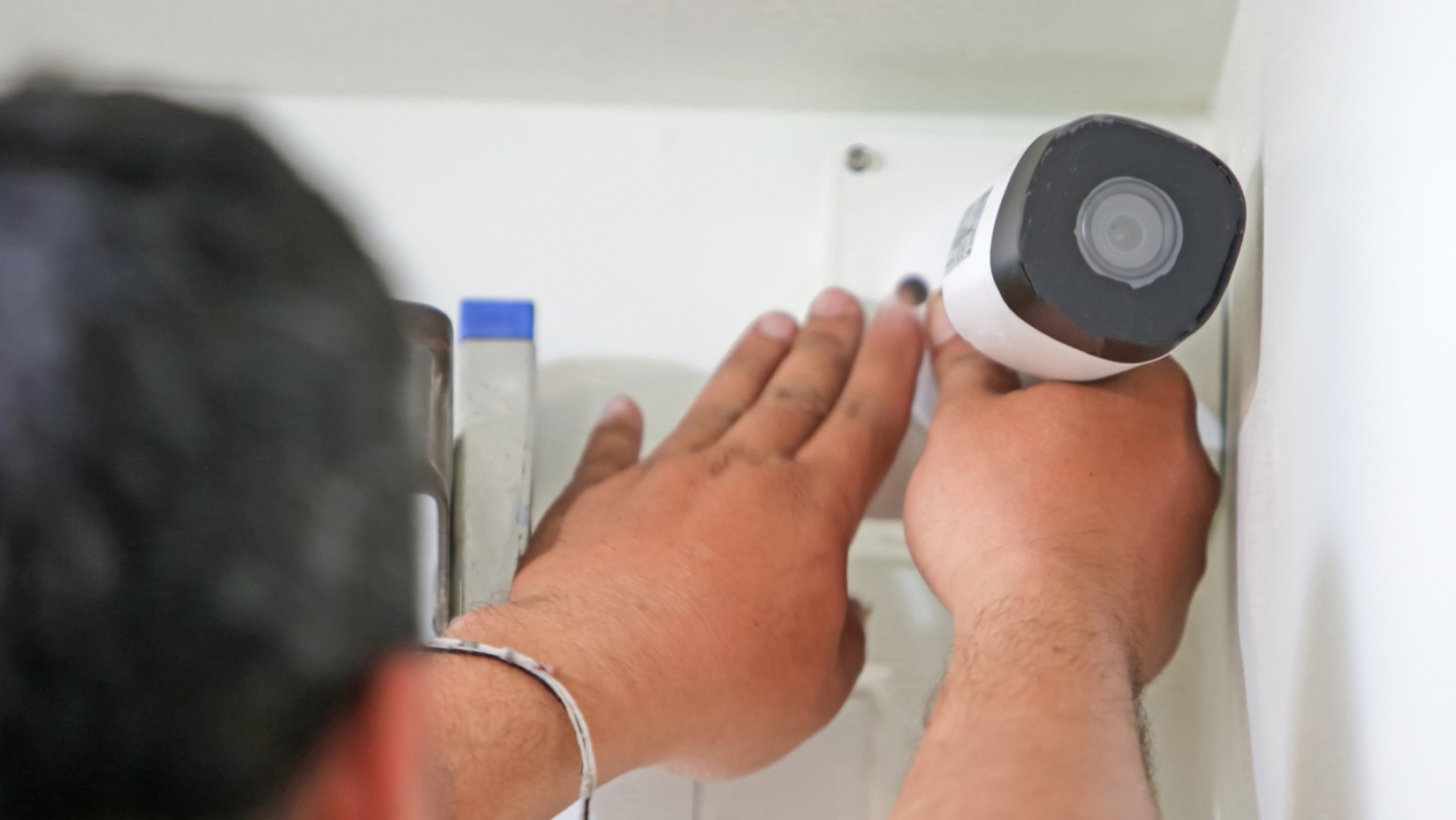
Video surveillance is not useful just because a camera exists. It is useful when it shows the right thing at the right time. A camera pointed too high, too wide, or into glare can miss the detail someone needs during an incident review.
The company should walk the site and talk through camera purpose. Is the camera there to see faces? Watch a lobby? Cover a parking lot? Verify an alarm? Monitor a service entrance? Each answer changes placement, lens choice, lighting, recording settings, and storage needs.
This is where experience shows. A good team will not just count cameras. They will explain what each one is meant to help you understand.
Ask how the systems connect
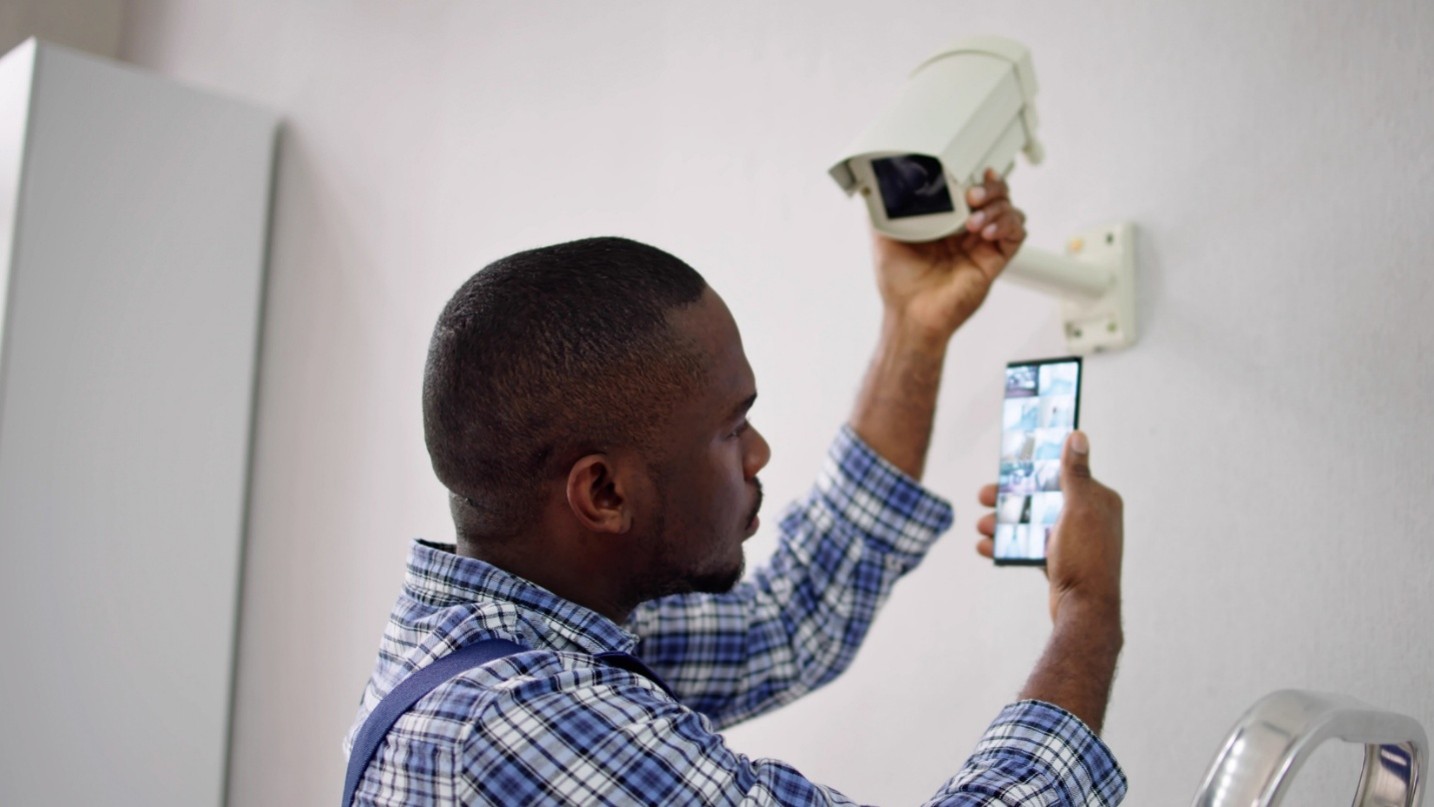
Security gets harder when alarms, cameras, doors, and reports all live in separate places. If a restricted door opens after hours, staff should not have to jump between five screens to figure out what happened.
The better setup connects the pieces. A door event can link to nearby video. An alarm can send the right alert. Reports can help supervisors see patterns instead of just reacting to problems. That is especially useful when several departments share one building.
If you are reviewing Tulsa federal government security systems, ask the company to walk through a normal incident. Not the perfect version. A real one. Someone enters the wrong area, a visitor lingers near a restricted door, or a maintenance vendor arrives outside the usual schedule. What does the system show, and who sees it?
Documentation matters more than people think
Government facilities need clean records. That includes device lists, camera locations, access levels, user permissions, service notes, and system changes. Without documentation, every future repair or upgrade takes longer.
Ask how the company documents the system. Ask whether they provide clear maps, user lists, and service records. Ask what happens if a manager leaves and a new person needs to understand the setup.
Good documentation is not glamorous, but it is one of the things that separates a quick install from a long-term security program.
Make sure training is part of the work
Even a strong system can become weak if people are unsure how to use it. Staff need to know how to respond to alerts, request access changes, review footage, and report issues. Supervisors may need separate training for permissions, schedules, and reports.
This matters for commercial security systems in Tulsa too, but it is especially important in government environments where procedures may be more formal. A rushed handoff creates confusion. A practical training session helps the system become part of normal operations.
The same goes for facility security systems in Tulsa. The technology should fit the facility, but the people using it need to feel comfortable enough to trust it.
Choose steady support over a flashy pitch
A government security system is not finished the day it is installed. Doors are added. Staff changes. Cameras need adjustment. Policies evolve. Software updates happen. Someone eventually needs help at an inconvenient time.
That is why support should be part of the decision from the start. Ask about service response, maintenance, inspections, training refreshers, and how system changes are handled.
The right provider for Tulsa government security systems will take the time to understand the building, the people, and the responsibilities attached to both. The goal is not to make security feel bigger than it needs to be. The goal is to make it clearer, calmer, and easier to manage.
FAQs
Do government buildings need different security systems than private businesses?
Often, yes. The equipment may look similar, but the planning is usually more detailed. Tulsa government security systems may need stronger access rules, cleaner documentation, and more formal response procedures.
Should public entrances and employee entrances be handled differently?
Usually. Public entrances need visibility and control without creating unnecessary friction. Employee entrances often need credential access, event tracking, and tighter after-hours rules.
How often should Tulsa government security systems be reviewed?
At least once a year is a good baseline. Reviews should also happen after renovations, staffing changes, policy updates, or any incident that shows a weak spot.
Just Need Security That Works?
Look, we know security can get overwhelming fast—too many options, too much jargon. That’s not how we do things.
At Cam-Dex, we’ve been doing this for decades. We show up, figure out what you actually need, and get it done right. No big sales pitch. No overcomplicating it.

Want to discuss your security needs? Fill out a form here .
If you’ve got questions or just want to walk through some options, give us a call at 913-621-6160. We’ll talk like people. Figure it out together. Easy as that.