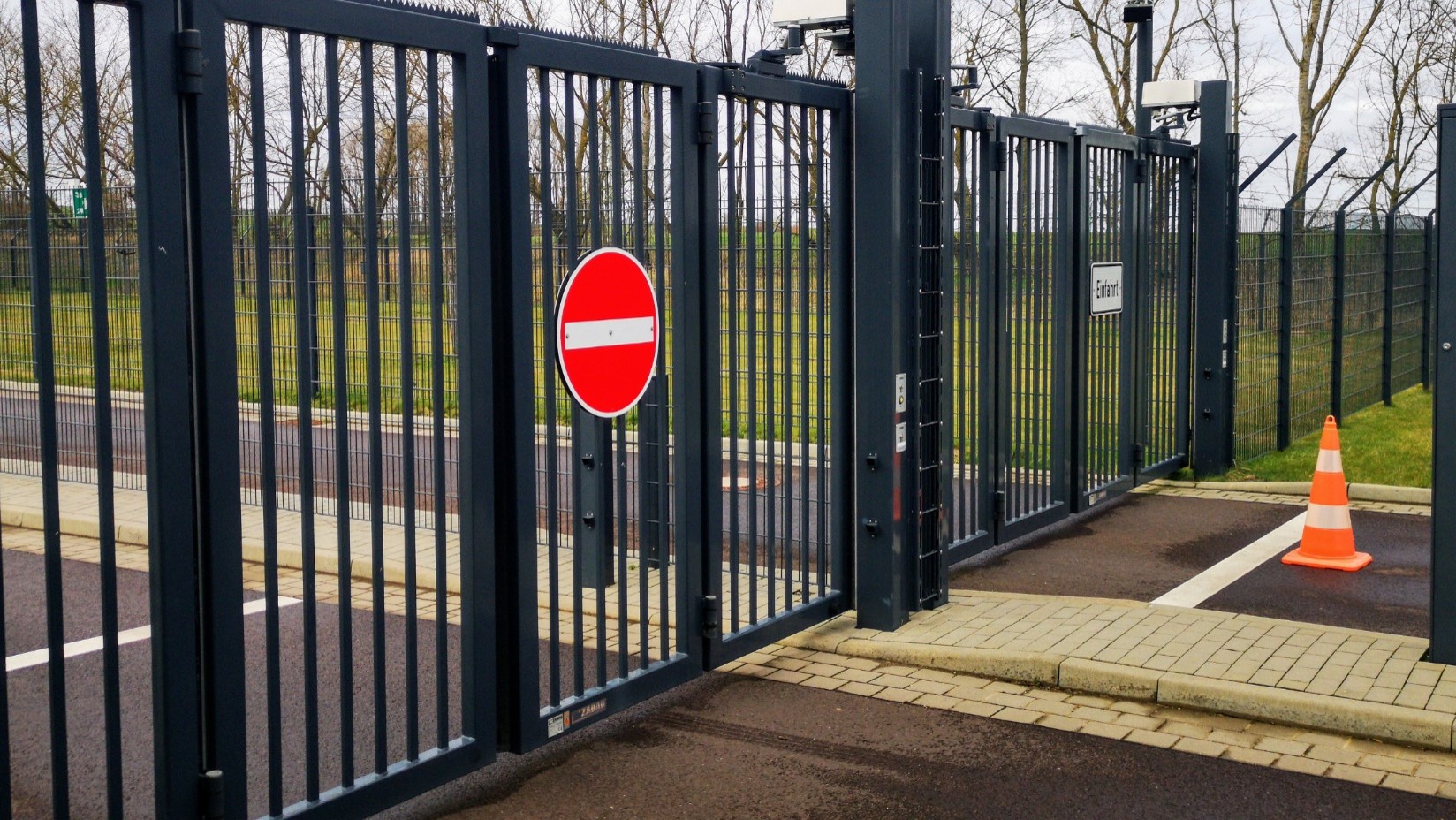
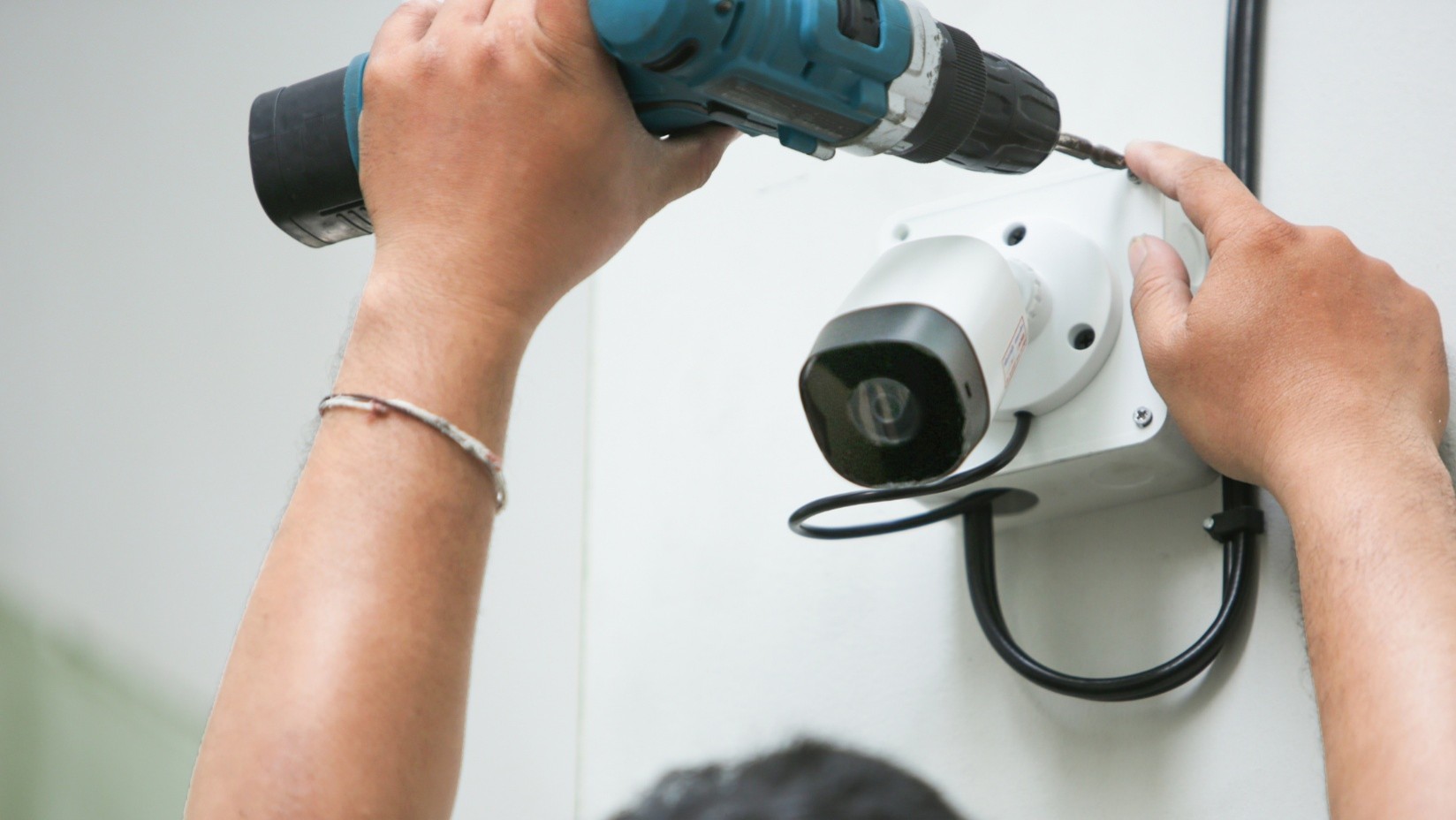
Commercial video surveillance in Tulsa can be incredibly useful, but only when it is designed with a purpose. A camera is not automatically helpful just because it is installed. It has to show the right view, at the right quality, from the right angle, when someone needs answers.
That sounds obvious, but it is where a lot of systems fall short. Businesses often find out later that a camera missed a license plate, did not capture a face, or recorded the wrong part of the room. Good planning prevents that.
Start by asking what each camera needs to prove
Before choosing cameras, ask what you need to know during an incident. Do you need to identify a person? Watch a register? See who entered a gate? Verify a delivery? Review activity near a restricted door?
Each goal changes the design. A wide camera can show general movement, but it may not show enough detail for identification. A tighter view may catch faces, but it will not cover a large area. Lighting, height, distance, and glare all matter too.
That is why video surveillance analytics in Tulsa should start with the problem, not the product list.
Camera placement is where the system wins or loses
Camera placement looks easy until the footage is needed. Then every bad angle becomes obvious. A camera mounted too high may show the top of someone’s head. A camera facing a bright doorway may wash out the person walking in. A camera pointed across a warehouse may miss details because the subject is too far away.
A good integrator should walk the site and think like someone reviewing video later. What would they need to see? Would the view still work at night? Would shelves, vehicles, doors, or seasonal displays block it?
If you are comparing video surveillance systems in Tulsa, ask to talk through camera purpose by location. That conversation tells you more than a camera count.
Analytics can help, but they are not magic
Analytics are useful when they are applied carefully. They can help detect motion in specific areas, flag people or vehicles, count activity, or support faster searching. But they still need good camera views and realistic expectations.
A camera cannot analyze what it cannot see. If the angle is wrong, the lighting is poor, or the scene is too busy, analytics may struggle. That does not mean the technology is bad. It means it has to be matched to the environment.
Tulsa video surveillance analytics should be set up around actual business needs, not just turned on because the feature exists.
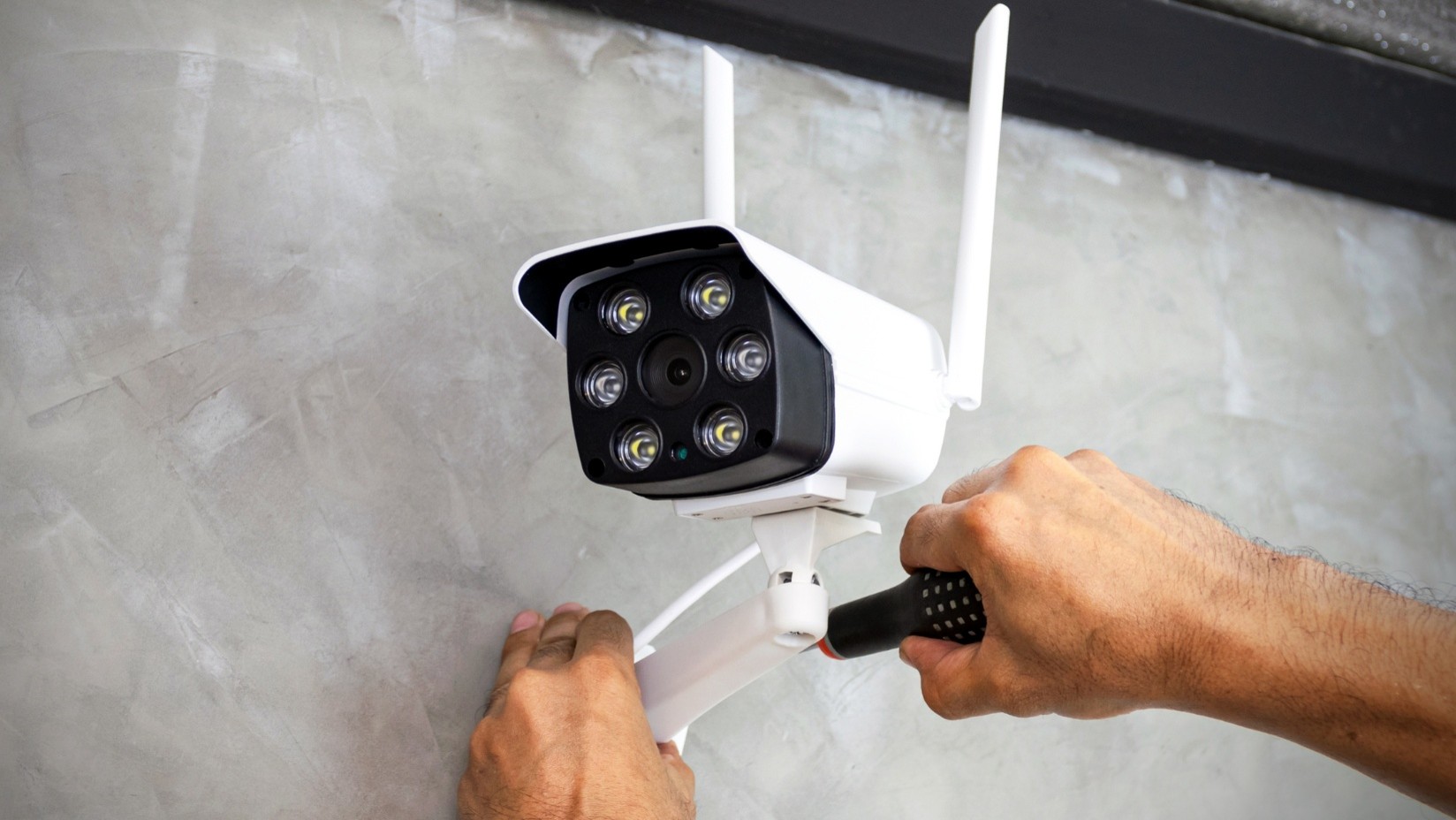
Think about who reviews the footage
Video is only useful if someone can find what they need. Managers should not have to dig through hours of footage with a confusing interface. A good system should make searching, exporting, and reviewing video reasonably simple.
Ask who will use the system. Is it one manager? Several supervisors? A remote team? Does anyone need mobile access? Are there privacy rules or internal policies about who can view video?
Those answers affect user permissions, training, retention settings, and reporting. The system should fit the people who will actually use it.
Connect video to alarms and access control
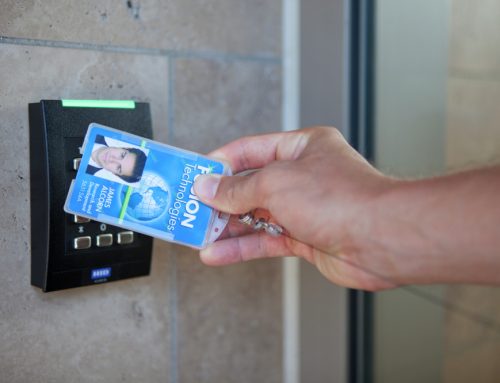
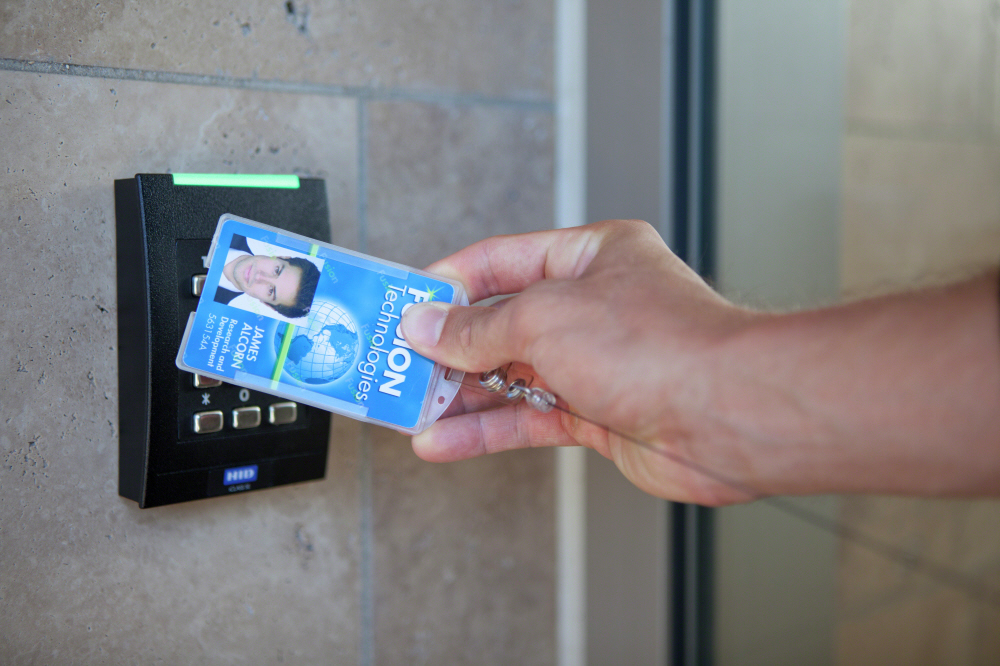
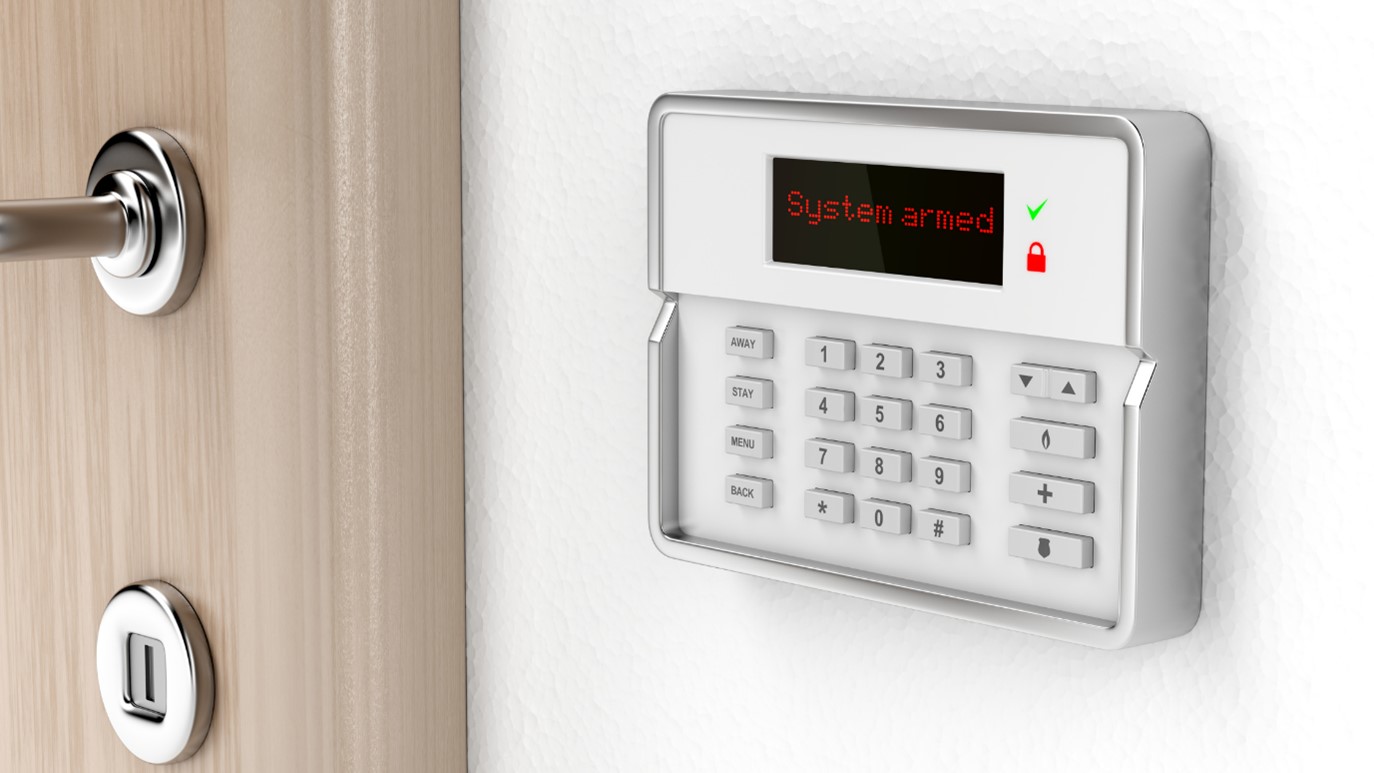
Video becomes more useful when it connects to the rest of the security system. If a door opens after hours, the nearby camera view should be easy to find. If an alarm triggers, video can help confirm whether the issue is real. If an access card is used, video can help show who walked through.
That context matters. Without it, your team may be stuck jumping between systems while trying to piece together what happened.
For Tulsa commercial video surveillance, integration can make daily security work much less frustrating.
Do not ignore storage and retention
People usually focus on cameras first, but storage matters too. How long do you need to keep footage? Does your business have insurance, compliance, or internal policy requirements? Do some cameras need longer retention than others?
More cameras, higher resolution, and longer retention all affect storage needs. A good provider should explain those tradeoffs clearly. They should also help avoid a setup where footage disappears before anyone realizes it is needed.
This is especially important for Tulsa commercial video surveillance systems in larger buildings, parking lots, warehouses, healthcare spaces, and regulated environments.
Choose a system that helps when things are stressful
The real test of video surveillance comes after something happens. Can you find the footage? Is the view useful? Can you share it if needed? Does it connect to the alert or door event? Can your team understand what they are seeing?
Good commercial video surveillance in Tulsa should make those moments easier. It should not create a new puzzle.
A strong system gives you enough coverage, enough detail, and enough control to answer questions quickly. That is the point. Not more cameras for the sake of more cameras. Better visibility where it actually matters.
FAQs
How many cameras does a business need?
It depends on the building. A small office may only need a few key views, while a warehouse, yard, or multi-entry facility may need more. The camera count should come from the risks, not a preset package.
Are analytics worth it for commercial video surveillance in Tulsa?
Sometimes, yes. Analytics can save time and improve awareness, but only when the cameras are placed well and the settings match the environment.
How long does it keep footage?
Many businesses keep footage for a few weeks, but the right number depends on risk, policy, insurance needs, and how quickly incidents are usually discovered.
Just Need Security That Works?
Look, we know security can get overwhelming fast—too many options, too much jargon. That’s not how we do things.
At Cam-Dex, we’ve been doing this for decades. We show up, figure out what you actually need, and get it done right. No big sales pitch. No overcomplicating it.

Want to discuss your security needs? Fill out a form here .
If you’ve got questions or just want to walk through some options, give us a call at 913-621-6160. We’ll talk like people. Figure it out together. Easy as that.