Contact and contactless access control systems in Tulsa can make a building feel calmer when they are set up well. People get where they are supposed to go. Restricted areas stay restricted. Managers can change access without chasing keys around the office.
When access control is set up poorly, though, it becomes another daily headache. The wrong people have access. Old users stay active. Doors do not match schedules. Staff do not know who can approve changes. That is why choosing the right system and the right integrator matters.
Start with who needs access
The first question is simple: who needs to get in, and where?
Employees may need different access than managers. Vendors may need limited hours. Cleaning crews may need evening access. Visitors may need to be guided through one entrance instead of wandering through the building. Some rooms may need tighter control because of records, inventory, equipment, medicine, or sensitive information.
A good access control plan starts by sorting those groups. It should not treat every person or every door the same.
Decide what type of credential makes sense
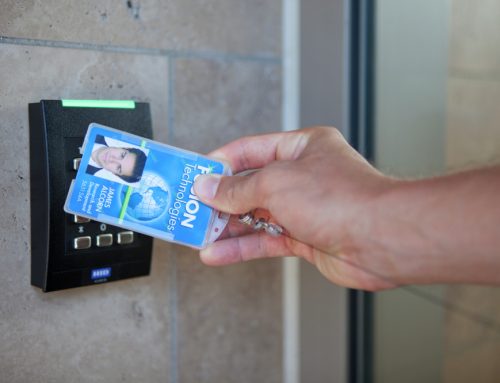
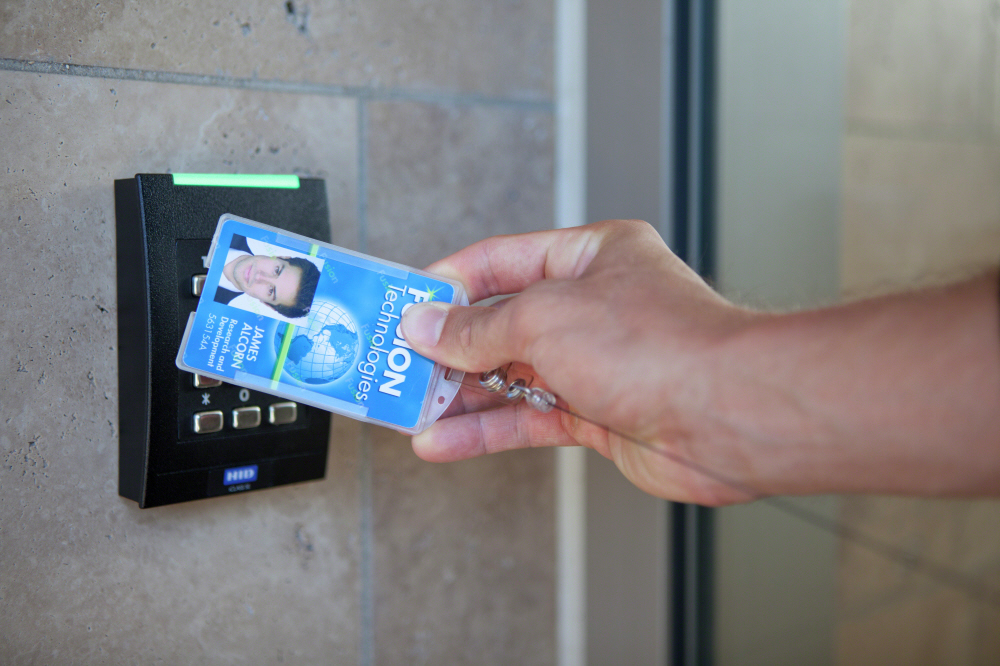
Not every building needs the same credential. Some use cards. Some use fobs. Some use mobile credentials. Some need touchless options. Others may need higher-security identity checks for specific areas.
Biometric security in Tulsa may be useful when a business needs stronger confirmation of who is entering a space. That said, it should be chosen carefully. Privacy, policy, staff comfort, and the type of facility all matter.
A good integrator should explain the options without making one method sound perfect for every situation. There is no one-size-fits-all answer.
What contact and contactless access control systems in Tulsa should solve
Access control is not just about unlocking a door. It should solve real problems.
Maybe keys keep disappearing. Maybe too many people can enter a storage room. Maybe the front door needs to unlock during business hours and lock automatically after closing. Maybe managers need to remove access quickly when someone leaves.
Those everyday details matter. Contactless access control systems in Tulsa can make entry easier, but the system still needs good rules behind it. Convenience without control can create new problems.
Think about the doors people forget
Most businesses know the front door needs attention. The weak spots are usually the side doors, back doors, stairwell doors, storage rooms, and employee entrances. These are the places people use casually, which is exactly why they matter.
A walkthrough should include every entry point, not just the obvious ones. The integrator should ask which doors are used often, which are rarely used, and which doors tend to get propped open.
For some facilities, holographic card access control systems in Tulsa may be part of a broader credential strategy. The point is not the card itself. The point is making sure the credential, reader, door hardware, and access rules all work together.
Connect access control with the rest of security
Access control gets much stronger when it connects with video and alarms. If a restricted door opens after hours, the system should make it easy to review the nearby camera. If a credential is used at an odd time, managers should be able to see the event and decide whether it needs attention.
Without that connection, your team may have data but not context. A door log tells part of the story. Video and alerts help fill in the rest.
This is especially useful for Tulsa biometric security in areas where identity matters more than simple entry permission.
Keep user management clean
Access control systems can get messy over time. People leave. Departments change. Vendors finish projects. Temporary access becomes permanent because nobody remembers to remove it.
That is why user management should be part of the plan from the beginning. Decide who approves access. Decide how often users are reviewed. Decide what happens when an employee leaves. Decide how temporary access expires.
A Tulsa biometric security company or access control provider should help build those habits. The technology can support the process, but the process still has to exist.
Choose the setup people will actually use
The best access control system is the one that protects the building without making normal work harder than it needs to be. If it is too complicated, people will look for shortcuts. If it is too loose, it will not solve much.
Good contact and contactless access control systems in Tulsa should give managers better control, cleaner records, and fewer key-related problems. They should also make daily entry feel natural for the people who belong there.
Before choosing a system, ask how it will be managed six months from now. Ask who will train your team. Ask how access is changed, reviewed, and removed. Those answers matter as much as the hardware.
FAQs
Are contactless access systems better than keys?
Usually, yes for commercial buildings. Keys are hard to track and easy to copy. Access systems make it easier to add, remove, and review entry permissions.
Do contact and contactless access control systems in Tulsa work for small offices?
Yes. A small office may only need a few controlled doors, but the benefits can still be real, especially when staff changes or keys are hard to manage.
Should they connect to cameras?
It is often a good idea. Door events are more useful when you can quickly see who was there and what happened around the same time.
Just Need Security That Works?
Look, we know security can get overwhelming fast—too many options, too much jargon. That’s not how we do things.
At Cam-Dex, we’ve been doing this for decades. We show up, figure out what you actually need, and get it done right. No big sales pitch. No overcomplicating it.

Want to discuss your security needs? Fill out a form here.
If you’ve got questions or just want to walk through some options, give us a call at 913-621-6160. We’ll talk like people. Figure it out together. Easy as that.