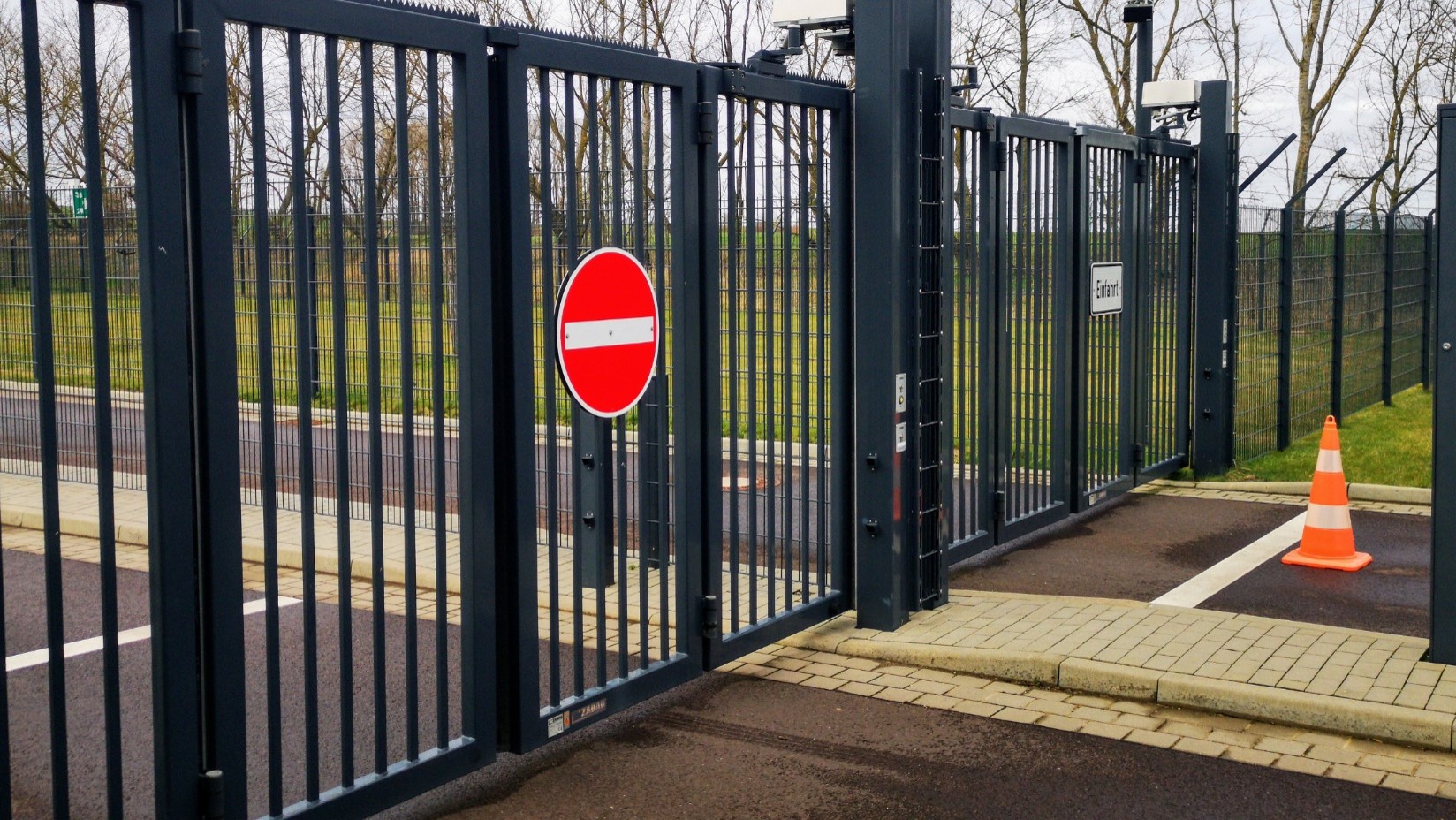
Tulsa federal government security systems are becoming more advanced, more layered, and far less forgiving of gaps. Facilities today face a different level of risk than they did even a few years ago, and that shift is driving major changes in how security systems are designed and maintained.
Why Are Federal Security Systems in Tulsa Becoming More Advanced?
There isn’t just one reason—but one stands above the rest.
The threat landscape has changed.
Security risks today are more complex. They’re not always obvious, and they don’t always happen in predictable ways. That’s pushed agencies and facilities to rethink how they approach protection.
From our experience designing integrated systems, we’ve seen a clear shift toward stronger, more connected solutions. Tulsa federal government security systems are no longer built as standalone pieces. They’re designed to work together as part of a larger strategy.
That includes:
- Real-time monitoring across multiple systems
- Stronger access control requirements
- Better tracking and reporting capabilities
- Increased focus on system reliability
These changes aren’t optional. They’re necessary.
What’s the Biggest Reason Behind These Changes?
If we had to narrow it down, it comes back to one core issue: visibility.
Facilities need to know what’s happening, when it’s happening, and how to respond—without delay.
Older systems often left gaps. They recorded data but didn’t always make it easy to act on. Today’s expectations are different.
Modern federal government security systems in Tulsa are built around awareness. That means:
- Immediate alerts when something is off
- Clear, usable video and access data
- Systems that communicate with each other
- Fewer blind spots—both physically and digitally
It’s less about reacting after the fact and more about staying ahead of potential issues.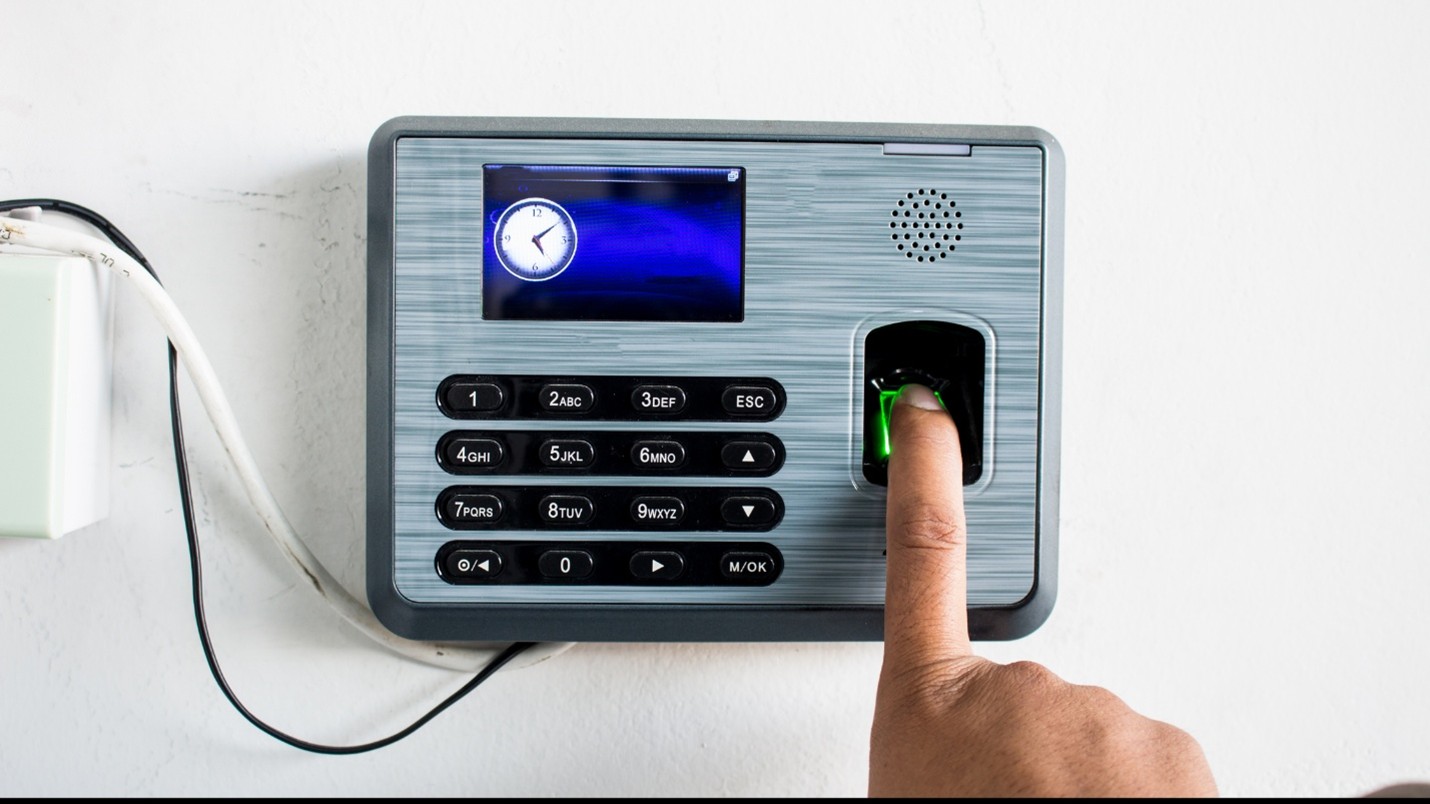
How Are Modern Systems Structured?
Security systems today aren’t built in isolation. They’re layered.
That layering is what makes them more effective.
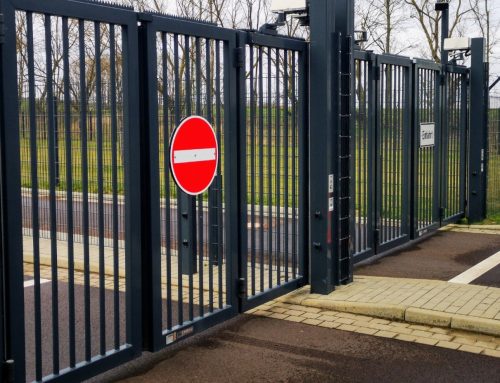
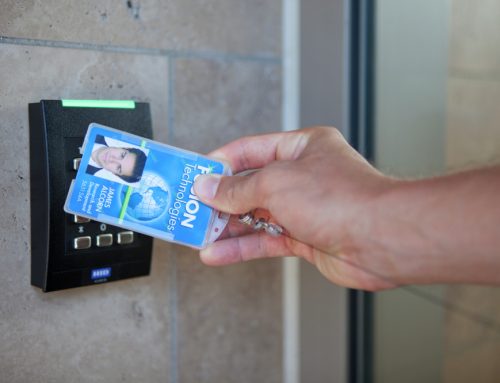
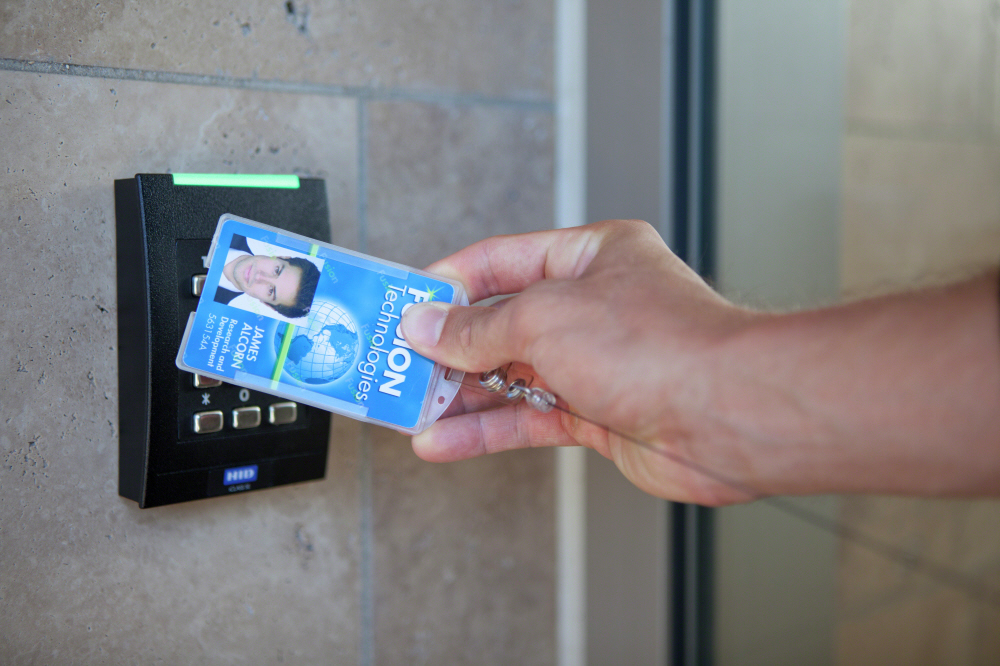
Access Control
Who can enter, where they can go, and when. This is often the first line of defense.
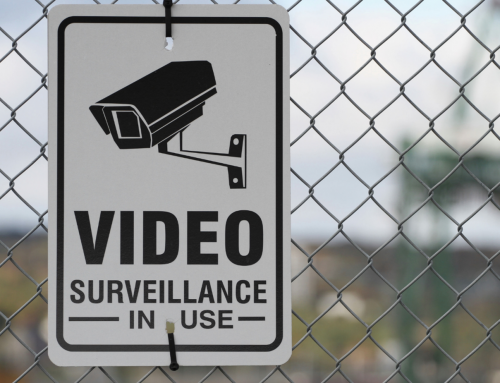
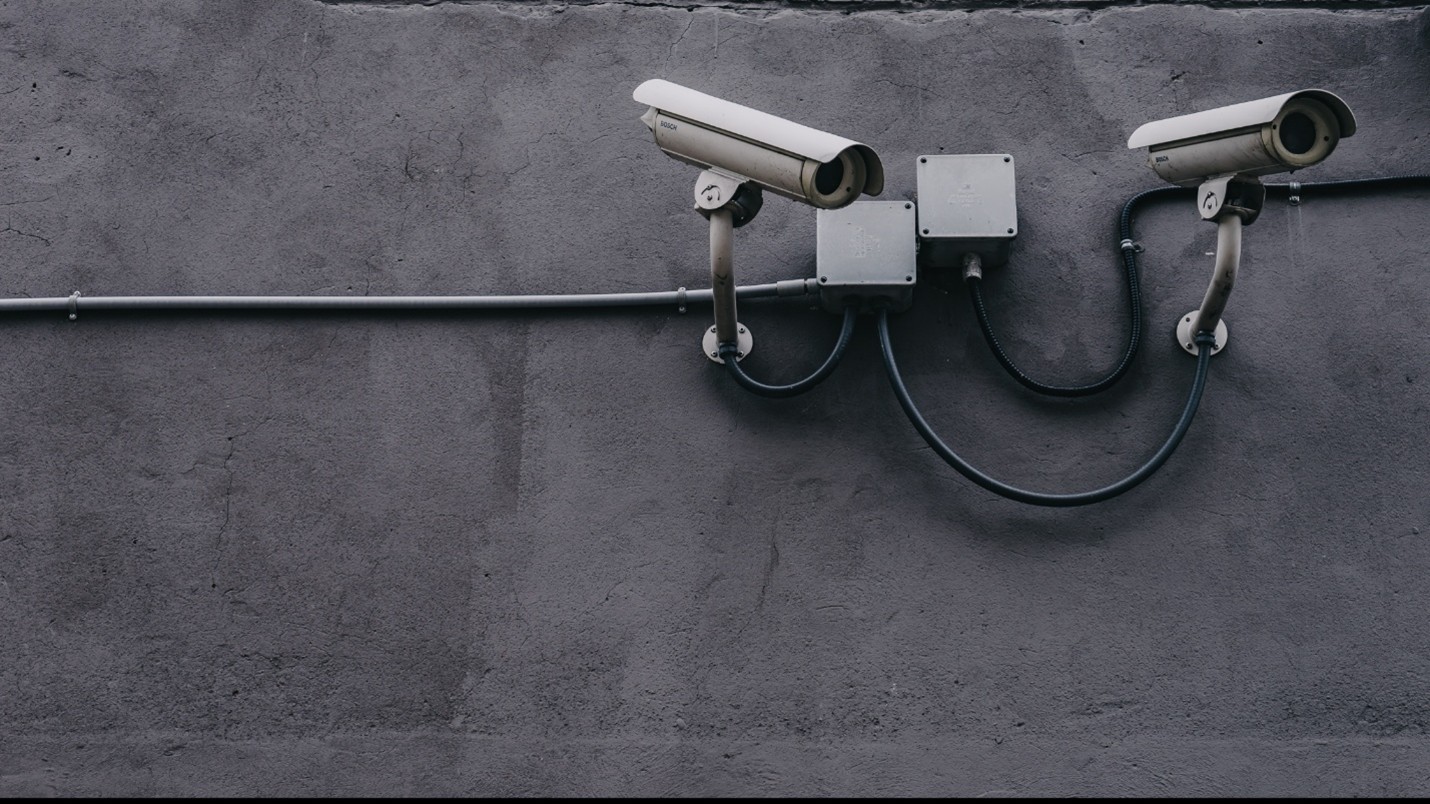
Video Surveillance
Not just recording, but actively monitoring activity in real time.
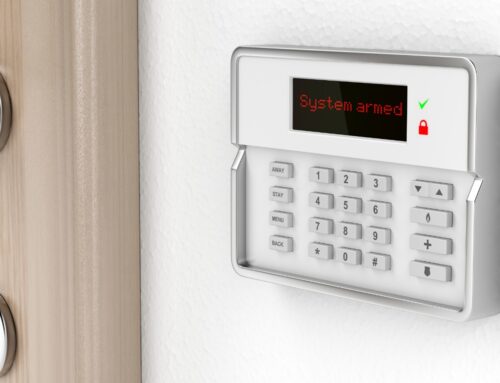
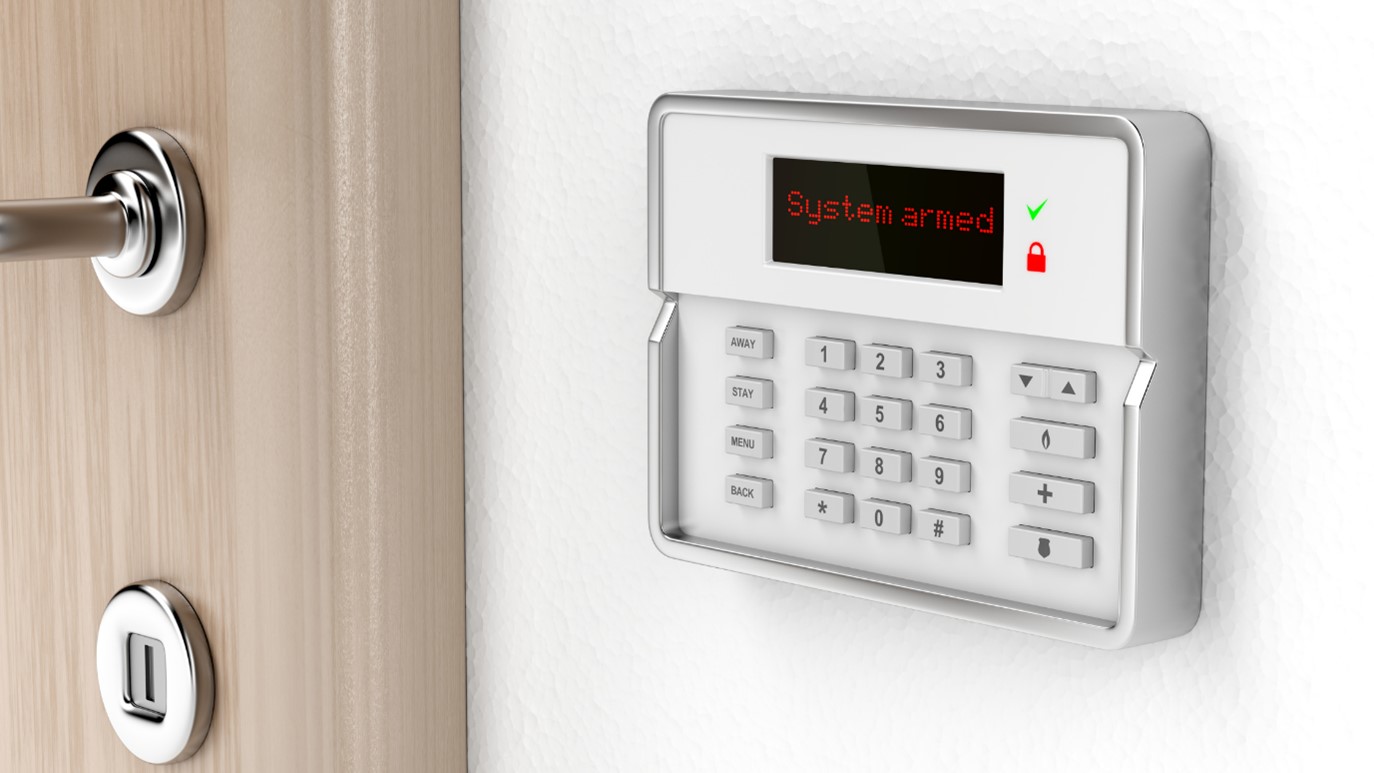
Alarm Systems
Immediate alerts when something doesn’t look right.
Integrated Management Platforms
A central system that ties everything together, making it easier to manage and respond.
When these pieces work together, they create a much stronger system than any one component alone.
That’s the direction Tulsa federal government security systems continue to move toward.
What Makes Government Facilities Different?
Government facilities operate under stricter requirements than most commercial environments.
There’s less margin for error. Systems need to perform consistently, not just most of the time.
We’ve worked with environments where reliability isn’t just important—it’s critical.
Some of the key differences include:
- Higher compliance standards
- More detailed access control policies
- Greater need for audit trails and reporting
- Increased focus on long-term system performance
These expectations also influence how government security systems in Tulsa are designed and maintained.
Are These Changes Affecting Other Industries?
Yes—and in a noticeable way.
What starts in federal environments often carries over into other sectors. We’re already seeing that happen.
For example, many of the same principles now apply to Tulsa healthcare security systems, where safety and access control are just as important.
Hospitals and healthcare facilities are adopting:
- More controlled access points
- Better monitoring of sensitive areas
- Systems that support both security and patient safety
The same goes for healthcare security systems in Tulsa, where reliability and response time can directly impact operations.
In many ways, federal standards are influencing broader security expectations.
How Do We Approach These Systems at Cam-Dex?
With over 60 years of experience, we’ve seen how security needs evolve—and how systems need to adapt with them.
We don’t approach federal projects the same way we would a smaller commercial job. The stakes are different, and the system has to reflect that.
Supporting Long-Term Use
Installation is only part of the process. Ongoing support and maintenance are just as important.
This approach allows us to build Tulsa government security systems that hold up over time—not just at installation.
Why Are Integrated Systems Becoming the Standard?
Standalone systems used to be enough. That’s no longer the case.
When systems don’t communicate, information gets missed. Delays happen. Response times slow down.
Integrated systems solve that problem.
They allow:
- Faster decision-making
- Better coordination between systems
- Clearer insight into what’s happening across a facility
That’s why both Tulsa federal government security systems and federal government security systems are moving in this direction.
Common Questions About Federal Security Systems
Are these systems only for large facilities?
Not necessarily. While federal systems tend to be more complex, the same principles can apply to smaller environments.
How often should systems be updated?
Regular updates are important. Technology changes, and systems need to keep up to remain effective.
Can older systems be upgraded?
In many cases, yes. Integration allows newer components to work alongside existing infrastructure.
Final Thoughts
Federal government security systems are becoming tougher for a reason. The risks are more complex, and the expectations are higher.
We’re committed to helping you 24 hours a day, 7 days a week with all your security system and video surveillance needs. Cam-Dex will provide a FREE Analysis of your current security systems. Contact Us to speak to one of our experienced professionals today.
Just Need Security That Works? Reach out to us online at Cam-Dex to fill out a form online. Or call us:
Kansas City, KS at 913-621-6160
St. Louis, MO at 314-989-1984

Look, we know security can get overwhelming fast, too many options, too much jargon. That’s not how we do things.
We’ve been doing this for decades. We show up, figure out what you actually need, and get it done right. No big sales pitch. No overcomplicating it.