Government buildings aren’t like typical offices. They serve the public. They hold sensitive records. They often operate under strict guidelines. And they can’t afford system failures.
When people talk about government security systems in Tulsa, they usually imagine cameras and badge readers. That’s part of it. But protecting a government facility takes more thought than that.
We’ve worked with enough facilities over the years to know one thing for sure. The right system is never just one piece of equipment. It’s a layered approach built around how the building functions.
Why Is Security More Complex in Government Facilities?
Government spaces are open… but not fully open.
There are public counters, restricted offices, records rooms, evidence storage, and secure IT areas. Some spaces must remain accessible. Others must remain tightly controlled.
That balance is where government security systems in Tulsa really matter.
You can’t simply lock everything down. And you can’t leave it exposed either.
The system has to support both transparency and protection.
What Systems Are Typically Used?
There isn’t a single formula. But most government buildings rely on a combination of integrated components.
Access Control
Who can enter? When they can enter. Where they can go.
Access control becomes the backbone of most Tulsa government security systems. It manages movement inside the building without creating confusion or bottlenecks.
Video Surveillance
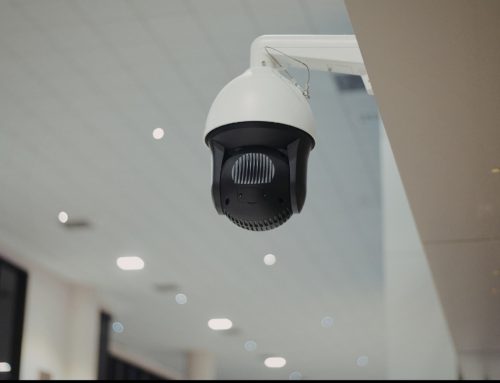
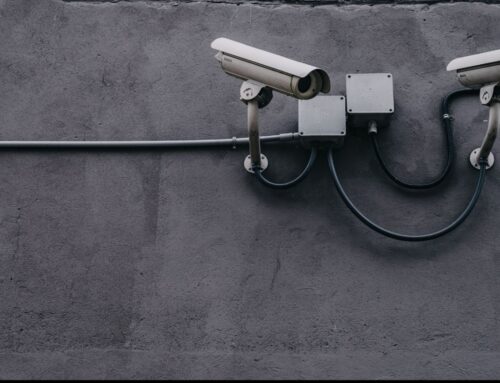
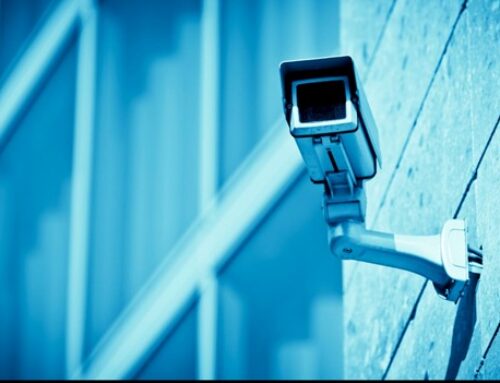
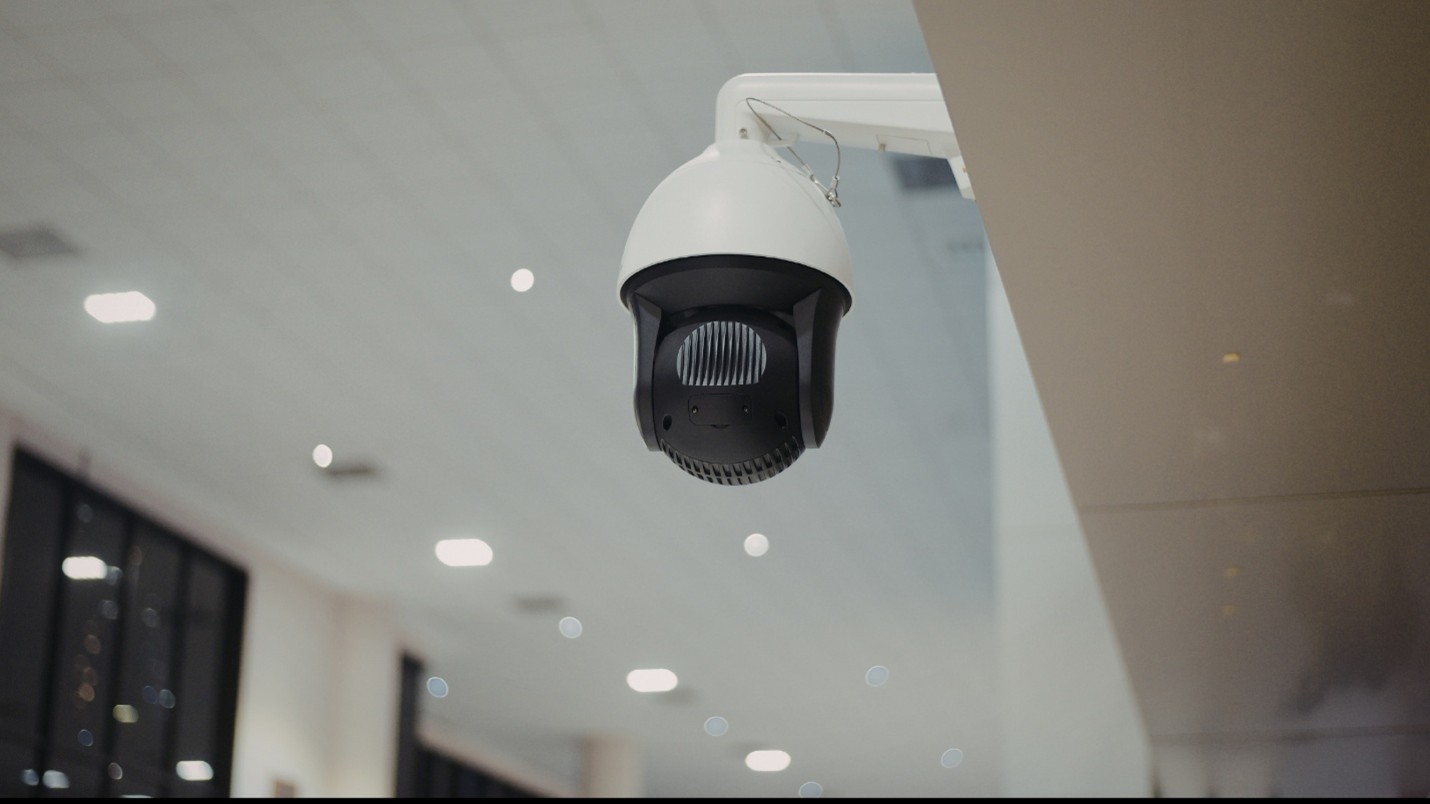
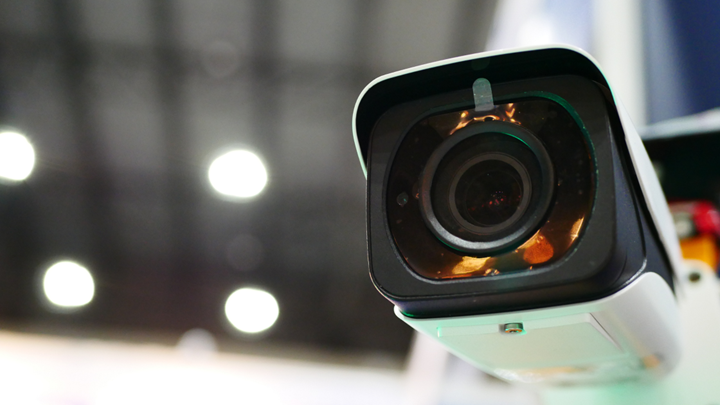
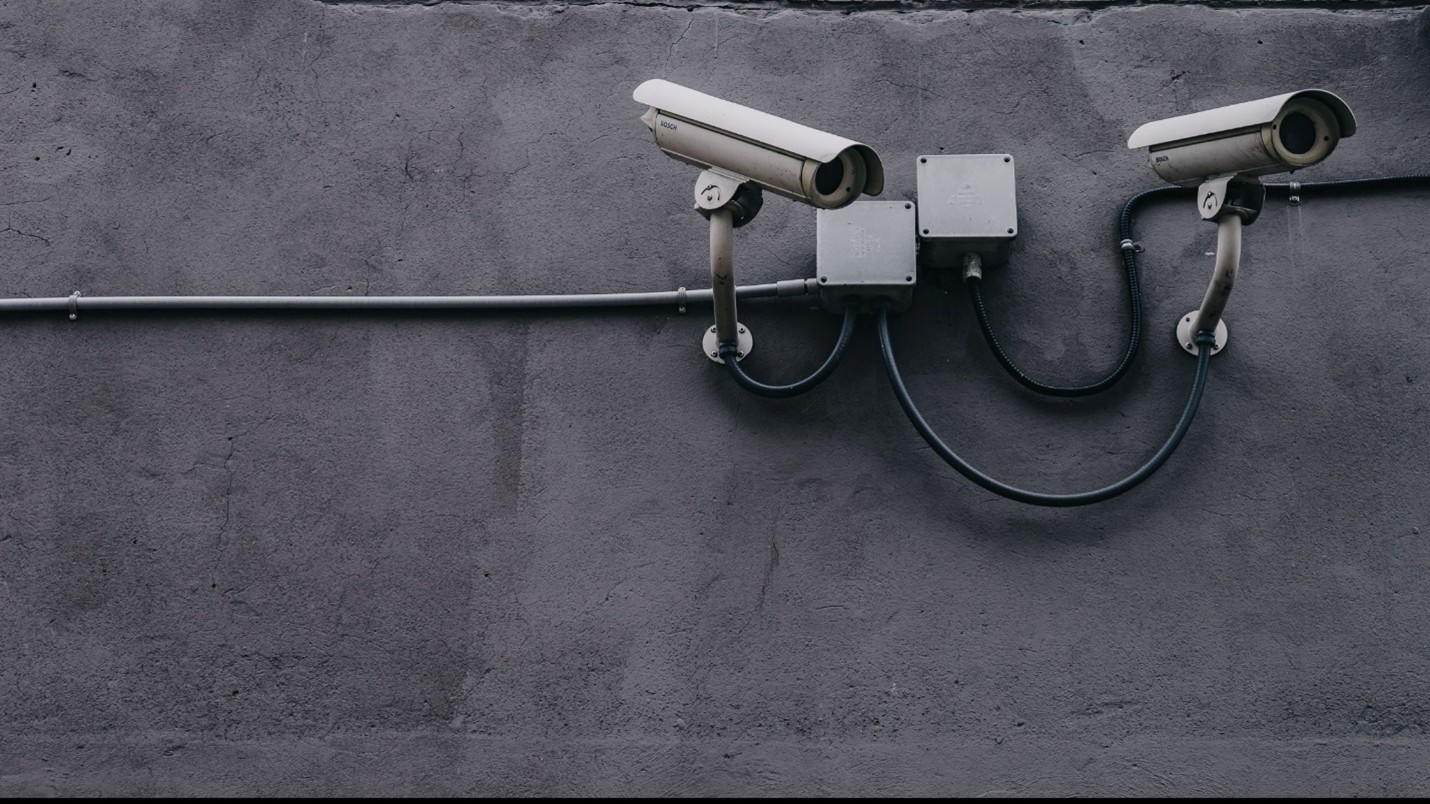
Cameras provide documentation and visibility. Not just for incidents, but for everyday oversight.
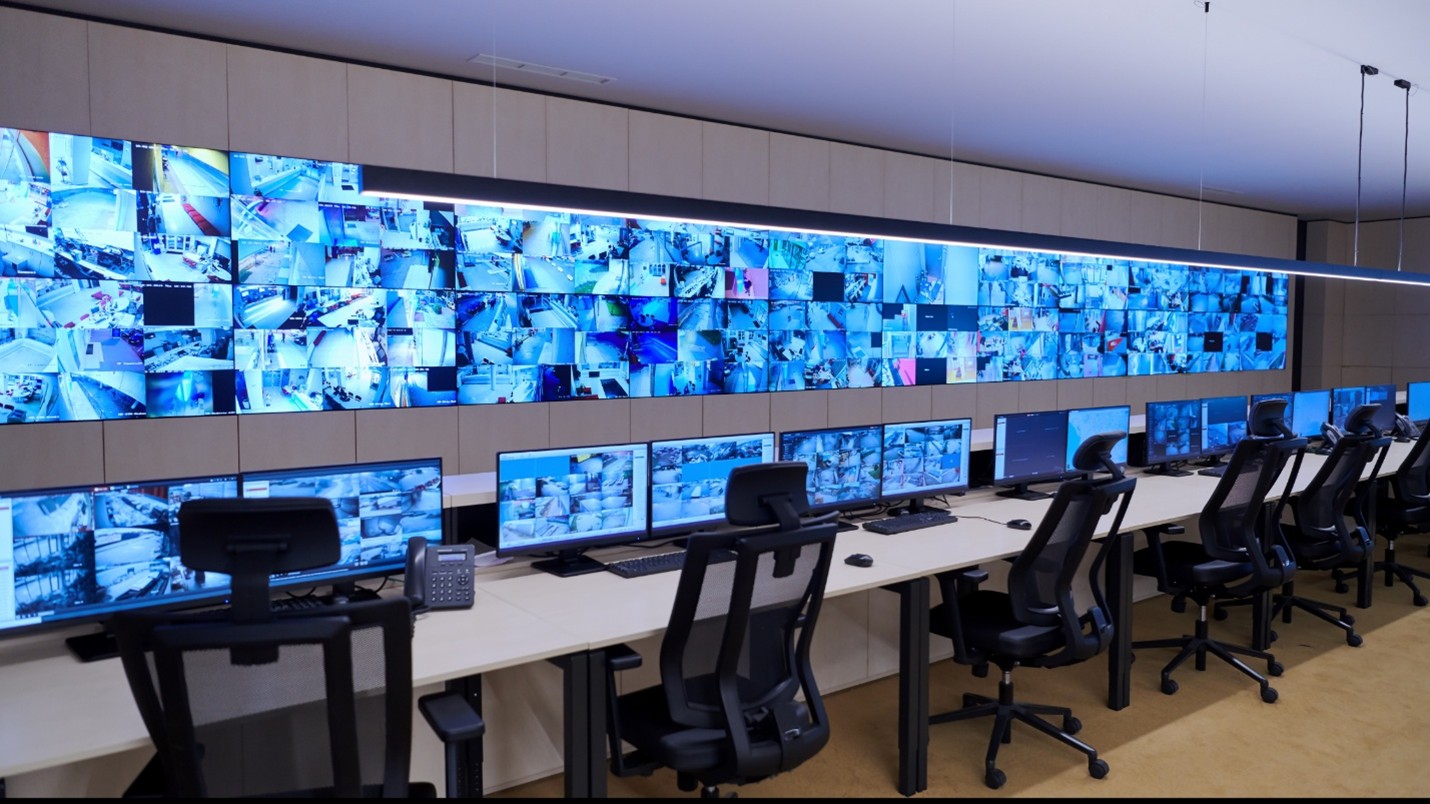
The difference today is integration. Modern systems don’t just record. They tie into alerts and access logs so teams have context immediately.
Intrusion Detection
After-hours security is critical. Doors, windows, and restricted areas are monitored continuously.
If something is forced or accessed improperly, alerts go out immediately. That’s especially important in federal government security systems in Tulsa, where response protocols are strict.
Perimeter Protection
Some facilities require controlled parking access, secured entry gates, or monitored exterior zones.
Perimeter protection stops problems before they reach the front door.
How Are Federal Facilities Different?
Federal buildings typically operate under more rigorous compliance standards.
Designing Tulsa federal government security systems means thinking about redundancy, documentation, and long-term reliability. Systems often require:
- Higher credential standards
- Integrated monitoring
- Backup communication paths
- Documented testing procedures
When working on federal government security systems, attention to compliance isn’t optional. It’s expected.
How Do These Systems Help Beyond “Stopping Crime”?
Security is often framed around emergencies. But that’s only part of the picture.
Well-designed government security systems in Tulsa also help:
- Track-controlled access
- Improve incident documentation
- Support workplace safety
- Provide faster internal investigations
- Reduce liability exposure
In other words, security becomes operational support. Not just crisis response.
How Do Government Systems Compare to Commercial Systems?
There’s overlap. Cameras are cameras. Access control is access control.
But government environments usually require more redundancy and oversight than most Tulsa commercial and corporate security systems.
Public accountability changes the equation.
That’s why working with an experienced Tulsa facility security company matters. You need someone who understands both public-sector requirements and private-sector efficiency.
Why Integration Is So Important
Standalone systems create gaps.
If an alarm triggers but no camera responds, you lose context. If someone badges in but there’s no visual confirmation, you lose clarity.
Integrated systems solve that.
When a door alarm activates:
- Cameras pull footage automatically
- Alerts go to monitoring teams
- Access logs provide timestamps
For government security systems in Tulsa, that coordination can make the difference between confusion and immediate response.
What About Maintenance?
This is the part many people underestimate.
Government systems must work every time. Not most of the time.
Sensors drift. Software updates roll out. Hardware ages.
Routine testing and preventative maintenance keep the system dependable. Especially in facilities running federal government security systems, scheduled inspections protect compliance and reliability.
Security isn’t just installation. It’s upkeep.
Common Questions We Hear
Are these systems only for large federal buildings?
No. Municipal buildings, courthouses, public works facilities, and administrative offices all benefit from layered protection.
Can existing systems be upgraded?
Often, yes. We assess what’s in place before recommending replacement.
Do government systems integrate with emergency protocols?
They should. Integration supports coordinated response and documentation.
Government buildings serve communities. They house critical information. They must remain accessible and secure at the same time.
That balance takes planning.
Well-designed government security systems provide layered protection, integrated monitoring, and long-term reliability. Whether it’s a municipal office or a federal facility, the goal remains the same. Protect people. Protect data. Protect operations.
We’re committed to helping you 24 hours a day, 7 days a week with all your security system and video surveillance needs. Cam-Dex will provide a FREE Analysis of your current security systems. Contact Us to speak to one of our experienced professionals today and learn how the right system, insured and communicative, can support your facility long term.
Just Need Security That Works? Reach out to us online at Cam-Dex to fill out a form online. Or call us:
Kansas City, KS at 913-621-6160
St. Louis, MO at 314-989-1984

Look, we know security can get overwhelming fast too many options, too much jargon. That’s not how we do things.
We’ve been doing this for decades. We show up, figure out what you actually need, and get it done right. No big sales pitch. No overcomplicating it.